
Best practices for KYC compliance

Best practices for KYC compliance feature img

Best practices for KYC compliance

Last Updated: 12/30/2025

Table of Contents

Protect your business with reliable and effective AML strategies with AML UAE.

Essential KYC Compliance Practices at a Glance

  • AML KYC Compliance is a crucial part of governance protocols that helps businesses prevent Money Laundering, Terrorism Financing, fraud and regulatory penalties.
  • An effective KYC framework is based on Customer Identification, Customer Due Diligence and a Risk-Based Approach.
  • Ongoing Monitoring is essential to identify unusual transactions, high-risk activities, sanctions exposure and adverse media mentions.
  • Corporate KYC requires deeper scrutiny, including verification of company details, ownership structure and Ultimate Beneficial Owners (UBOs).
  • Accurate Documentation and record keeping of all KYC, CDD and EDD activities are critical for audits, regulatory compliance and risk mitigation.

What is AML KYC Compliance?

KYC is an abbreviated version of Know Your Customer. It is basically an important function that helps assess the risk-bearing power of your customers and legal abiding to comply with the laws of Anti-Money Laundering. Best practices for KYC Compliance majorly revolve around knowing the identity of your customers, the risk they possess, and their overall financial activities.

Know Your Customer - KYC Requirements under AML regulations in UAE

AML Best Practices for KYC Compliance

Being a business owner, it is essential for you to know your customers well. If you are a financial institution or Designated Non-Financial Business or Profession (DNFBP), you might face possible sanctions, reputational damage, and fines upon professionally collaborating with terrorists or money launderers.

KYC is the essential control mechanism that protects your business enterprise from losses and fraudulent activities that might result from illegal transactions or funds.

A KYC is basically a systematic process that any Financial Institution (FI) or business enterprise undertakes. This systematic process includes the following steps.

The article revolves around the best practices you must follow in order to comply with the process of knowing your customer.

Characteristics of an Effective and Best Practice for KYC Compliance

n effective AML/KYC strategy requires a structured approach and proven best practices.  The following elements represent the fundamental characteristics that ensure strong KYC compliance.

1. Customer Identification Program or CIP

The only reason why the KYC process is conducted is to identify the legitimacy and authenticity of your customers. One of the most essential elements for successful and Best practices for KYC Compliance is to assess the risk of your customers. This Risk Assessment should be carried out at an individual level as well as on an institutional level. The Best practices for KYC Compliance provide qualitative guidance to determine the accurate risk level and the policies to mitigate those levels of risk.

The minimum requirements needed for the opening of an individual financial account are somehow delimited in the process of the customer identification program. The data gathered includes:

The same information is then verified with the original source document by at least 2 independent verifiers to ensure accuracy and authenticity. The process of identity verification includes non-documentary and documentary methods like comparing all the information provided by the customer with the help of consumer reporting agencies and public databases, documentary method, or an intelligent combination of both.

The procedures mentioned above are considered the core of the Best practices for KYC Compliance because, unlike other Anti-money Laundering compliance methods, this stands solid and reliable. The procedures need to be codified and clarified in order to provide guidance to executives, staff, and many other benefits to the regulators.

However, it is crucial for you to note that the actual policies or procedures will depend upon the risk-based approach of the financial institution. There are a few factors that you can consider while framing the actual process or procedures.

2. Customer Due Diligence (CDD)

Financial Institutions and other Regulated Entities focus on identifying whether a potential client can be trusted. Customer Due Diligence (CDD) is a critical part of effective risk management, helping institutions protect themselves from terrorists, money launderers and other criminals who pose a high level of risk.

Elements of the Customer Due Diligence Process
There are only three levels of customer due diligence.
Customer Due Diligence (CDD)
In order to enhance the effectiveness of your due diligence program, here are a few steps you can follow.
Enhanced Due Diligence measures under UAE AML Regulations

People. Process. Passion.

We ensure ethical, risk-free business growth for you. Hire us to make your journey fruitful.

3. Ongoing monitoring

Monitoring your customers or potential customers once is not enough. You must develop an ongoing monitoring plan. The continuous monitoring function incorporates oversight of financial transactions and the thresholds developed to map the customer's risk profile.

Depending upon the risk profile of your customer, along with the risk mitigation strategies, you have to monitor a few additional factors.

Ongoing Monitoring

A business might be required to file a suspicious transaction report (STR) if the account's activities appear unusual.

The level of transaction monitoring depends on the risk-based assessment.

Corporate KYC for AML

Similar to individual accounts, corporate accounts also require KYC, identification, monitoring, and due diligence. The process of KYC for corporate clients is almost the same as KYC for individuals, just the demands are different.

Corporate accounts involve higher transaction volumes and values compared to individual accounts. Along with this, risk factors are usually elevated, requiring a more comprehensive due diligence and verification process. These procedures are referred to as Know Your Business (KYB).

Every jurisdiction has its own defined type of KYB requirements. However, there are four common steps that you can implement.

Corporate kyc

Retrieve the vitals of your company

Identify and verify the basic company information like registered number, address, name of the company, status, and the key management employees. On the other hand, it depends on your fraud prevention standards and jurisdiction when it comes to gathering specific information. You have to systematically collect all this information and cautiously feed it into your workflows.

Analyze the ownership structure

Identify the people who have ownership rights of the company through direct or indirect means. These can be individuals or a team of individuals.

Carry out AML/KYC checks

All the individuals you have identified as Ultimate Benefits Owners should undergo an AML or a KYC check.

Final words : AML KYC Best Practices

Knowing your customer is an integral part of your business. For businesses like auditors and accountants, lawyers, notaries, and other legal professionals, company and trust service providers, dealers in precious metals and stones (DPMS), real estate agents and brokers, the importance of AML KYC increases exponentially and should be performed thoroughly without a single casualty. Any error in the process can cause you qualitative as well as quantitative losses.

FAQs About AML KYC Compliance

What are AML and KYC compliance requirements?

AML requirements are rules designed to prevent and detect illegal money activities, while KYC requirements involve verifying the identity of customers to assess and manage risks. Together, they help ensure financial transparency and compliance with the law.

The best practices for KYC requirements include robust identity verification, ongoing monitoring, risk-based customer profiling, leveraging digital KYC tools and ensuring compliance with AML regulations.

CDD verifies the information obtained from the customer to assess the overall risk associated with the customer. At the same time, EDD is level-up CDD when additional checks are performed for high-risk customers, such as establishing the legitimacy of the source of the customer’s funds and seeking management approval before transacting with the customer.
The basic requirements of KYC and CDD involve identification of the customer and their crucial information like nationality, contact details, address, business activities, the purpose of the transaction, etc., and verifying the authenticity of the information to determine the overall risk to the company from the particular customer, before onboarding the customer.

Ongoing Monitoring, also known as Continuous Monitoring, is a crucial part of KYC AML Compliance. It includes regularly checking and verifying customer information to ensure ongoing compliance with regulatory requirements and to detect any illegal or suspicious activities.

The most common challenges in implementing KYV best practices include heavy reliance on manual processes, high false positives/negatives, and poor customer experience. Constantly changing regulations, difficulties in monitoring verification validity and rising compliance costs.

Share via :

Add a comment

Related Blogs

About the Author

Pathik Shah

FCA, CAMS, CISA, CS, DISA (ICAI), FAFP (ICAI)

Pathik is an ACAMS-certified AML consultant specialising in governance, risk, and compliance for regulated entities in the UAE. He brings over 28 years of experience, with 1,000+ hours of AML training and 200+ advisory engagements across DNFBPs, VASPs, and FIs. He supports businesses in aligning with AML/CFT requirements from the CBUAE, DFSA, MoET, MoJ, VARA, CMA, FSRA, and FATF. Known for translating complex regulations into audit-ready procedures, Pathik enables operational clarity and compliance readiness.

Reach Out to Pathik

AML Compliance Officer: Role and Responsibilities

Blogs

Last Updated: 12/29/2025

Table of Contents

Protect your business with reliable and effective AML strategies with AML UAE.

Understanding the Role of AML Compliance Officer: Key Highlights

  • AML UAE laws mandate all Financial Institutions, DNFBPs and VASPs to appoint a Compliance Officer with prior approval of the related Supervisory Authority.
  • The Compliance Officer must report directly to the Senior Management and shall have the authority, resources and independence to conduct the work in alignment with the laws.
  • The Compliance Officer is held responsible for: detection of suspicious activity and reporting, submission of regulatory reports, overseeing AML programs, training of staff, and staying compliant with the FIU/Supervisory Authority.
  • The Compliance Officer serves both the employer and the government.
  • Overall, AML Compliance Officers are critical for protecting businesses from ML/TF risks and ensuring compliance.
Business People Meeting Design Ideas professional investor working new start up project. Concept. business planning in office.

AML Compliance Officer: Role and Responsibilities

Money Laundering (ML) and Terrorism Financing (TF)are financial crimes that pose detrimental effects on the economic system and society as a whole.

Cabinet Resolution No. (134) of 2025 Concerning the Executive Regulations of Federal Decree-Law No. (10) of 2025 Concerning Combating Money Laundering, Terrorist Financing, and the Financing of the Proliferation of Weapons.

These regulations are applicable to Financial Institutions (FIs), Designated Non-Financial Businesses and Professions (DNFBPs), and Virtual Asset Service Providers (VASPs) operating within the UAE.

The said legislation is formulated with the intent to aid entities with the ‘know-how’ as to how to deal with ML/FT occurrences by having a systematic structure in place.

Appointment of an AML Compliance Officer is an essential requirement that fulfils the need of having an officer with a keen eye for noticing and reporting in an unbiased, fair, and transparent manner any such suspicious activity to the appropriate authority, both within and outside the entity.

As per the UAE Anti-Money Laundering (AML) Law, Financial Institutions and Designated Non-Financial Business Professionals (DNFBPs) must appoint an AML Compliance Officer. The role of such an employee is to comply with the Anti-Money Laundering (AML) laws, Federal Decree by Law No. (10) of 2025 Regarding Anti-Money Laundering (AML), and Combating the Financing of Terrorism (CFT) and Proliferation Financing. Another law is Cabinet resolution no. 109 of 2023 Regulating the Beneficiary Owner Procedure. 

The legal person or entity appoints the person for the AML compliance officer role. They are natural persons appointed and should have the requisite experience and skills to implement a robust AML compliance process. The AML Compliance Officer carries on the duties on behalf of the legal person or entity using the data and resources provided by the entity, follows the procedures as per the AML laws, and helps prevent Money Laundering activities. The AML officer should carry on the duties with utmost competence to help businesses comply with the AML laws.

Who can be appointed as an AML Compliance Officer?

An independent natural person with the necessary skills and experience can be appointed as an AML Compliance Officer of the Company. Further, the Compliance Officer must be at par with the senior managerial level person, report directly to the Board or Senior Management and have the authority to act without undue influence and pressure. The Company must provide sufficient resources and support to help the Compliance Officer to implement AML policies, monitor compliance and report suspicious activities. The Compliance Officer also must be able to make independent decisions to protect the entity from ML/FT risks.

Prior approval from the Supervisory Authority

It is necessary to obtain prior approval from the relevant Supervisory Authority, and the same can be obtained by applying on the goAML portal maintained by the FIU (Financial Intelligence Unit), UAE. The Reporting Entities must prepare an authorisation letter favouring the designated Compliance Officer and upload the same on the goAML portal along with the following:

  • A copy of the passport, resident visa, and Emirates ID of the Compliance Officer
  • A copy of the organisation’s commercial or trade license

Additionally, certain DNFBPs, depending on the size and nature of the business, may also consider appointing a Money Laundering Reporting Officer (MLRO) to submit various reports on the goAML portal.

The Reporting Entities can seek guidance from the Supervisory Authority in relation to the competence and experience expected from the Compliance Officer to enforce an effective governance structure.

Say Hello to a risk-free world of business for you,

By partnering with AML UAE’s expert consultants.

Responsibilities of an AML Compliance Officer under the UAE AML Laws

Cabinet Resolution no.  (134) of 2025 states the responsibilities of a Compliance Officer.

  • The AML Compliance Officer has to detect transactions relating to any crime.
  • The AML Compliance Officer needs to review the AML/CFT compliance program, including policies, controls and reporting mechanisms to ensure they prevent financial crimes. He needs to align the AML/CFT framework in line with the regulatory requirements and adequately mitigate the ML/TF risks faced by the entity.
Role of AML Compliance Officer in UAE Preview
  • The Compliance Officer must review and evaluate transactions and activities that seem suspicious. Where suspicion is confirmed, the Compliance Officer should immediately file a Suspicious Transaction Report (STR) and Suspicious Activity Report (SAR) to the FIU, UAE. All the reports must be documented and kept confidential and submitted within the required timelines.
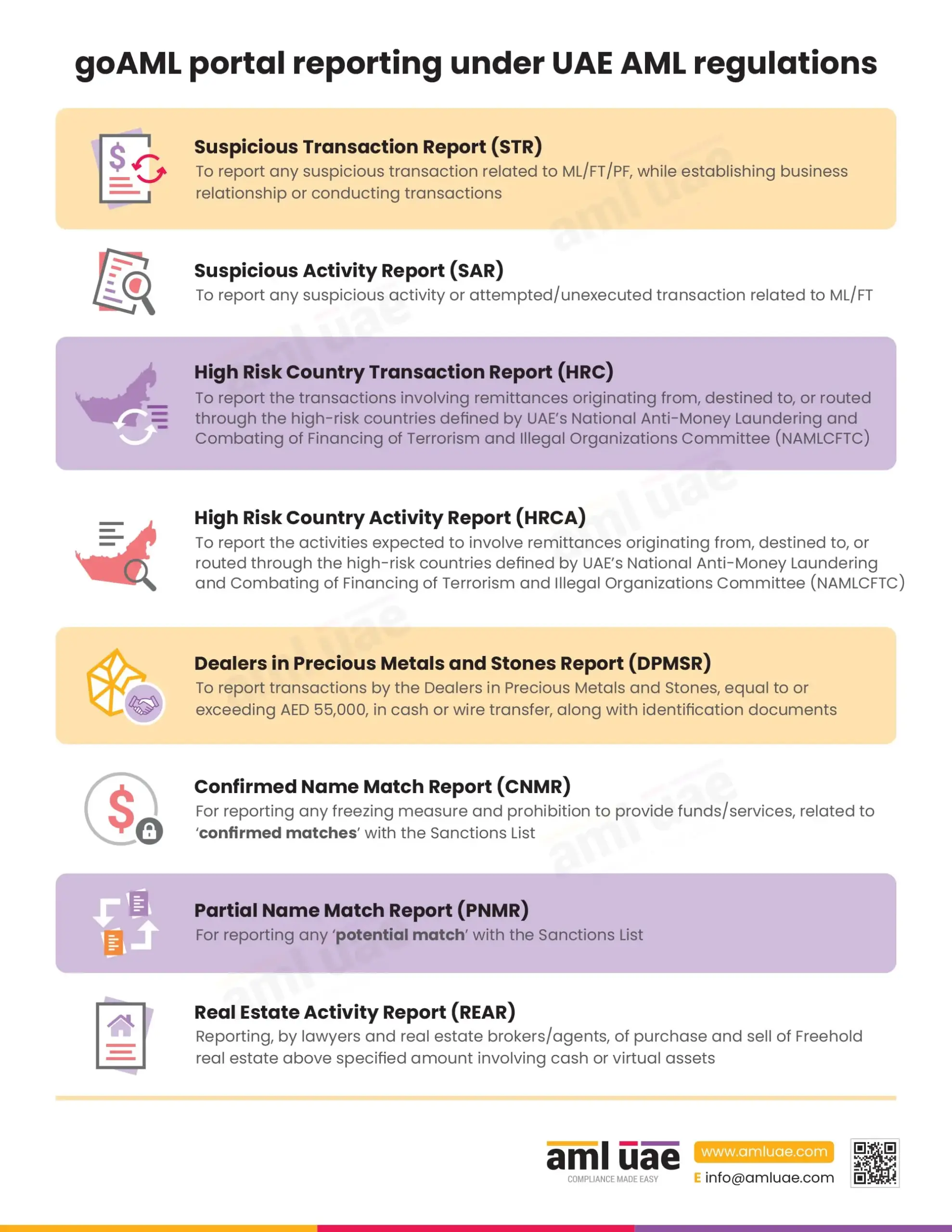
  • The AML Compliance Officer has to submit various reports like Confirmed Name Match Report (CNMR), Partial Name Match Report (PNMR), High-Risk Country Report (HRC), High-Risk Country Activity Report (HRCA), Dealers in Precious Metals and Stones Report (DPMSR) and Real Estate Activity Report (REAR) to the Financial Intelligence Unit, UAE.
  • The AML Compliance Officer needs to conduct training for the employees, make them aware of the AML rules and regulations and internal policies. The Compliance Officer should make sure that the training is tailored to the roles and responsibilities of staff, including global best practices for countering and financial crimes. All the training sessions should be documented and evaluated for their effectiveness by the Compliance Officer.
  • The AML Compliance Officer needs to submit periodic reports on AML compliance to the Senior Management and file semi-annual reports with the Supervisory Authority.
  • The Compliance Officer needs to review and evaluate data of suspicious accounts that might be concealing Money Laundering. The Officers can report the data to the Financial Intelligence Unit depending on the case. The transaction might be continued, and they need to state the reasons for their research. They need to collaborate with the Supervisory Authority and FIU to provide all the relevant data. 
  • The AML Compliance Officer reviews the internal rules and processes to prevent financial crimes. He also needs to update the relevant authorities and comply with the latest rules and regulations.
  • The AML Compliance Officer has to submit the reports on the rules to the concerned authority. 
  • The AML Compliance Officer needs to coordinate with the Supervisory Authority and FIU, providing them with all the necessary data to help fight ML/TF risks.

Duties of the Compliance officer can be categorised into two parts: duties to the employer and responsibilities to the Government. 

Ensuring the Independence of the Compliance Function in Small and Medium-Sized Entities

Small and Medium-sized entities, when they do not have enough human and IT resources and have assigned multiple roles to the compliance officer, must consider the following :

  1. If the compliance officer is assigned multiple roles and responsibilities, the DNFBP must ensure that the designated compliance officer does not have any daily responsibility for sales and customer relationship management.
  2. When a DNFBP is too small and adequate separation of duties is not possible, then the DNFBP should take the necessary steps to ensure that operational and AML/CFT policies and procedures are clearly formulated, documented, and adhered to during the establishment and ongoing monitoring of business relationships and the carrying out of transactions.
  3. DNFBPs must also ensure that all policy and procedural exceptions are documented, additional risk mitigation measures are undertaken, and these documents are retained as per the statutory record-keeping requirements.
  4. DNFBPs should also consider referring to any significant policy or procedural exceptions, along with their rationale, associated additional AML/CFT risk mitigation measures, and senior management comments, in the AML/CFT compliance officer’s required semi-annual reports to the relevant Supervisory Authorities.
  5. DNFBPs that are unable to establish a clear separation of duties need to consider taking additional measures like:
    • Independent AML audit
    • The independent AML audit should incorporate the audit of policies, procedures (Customer Due Diligence (CDD), Identification of suspicious transactions, High-Risk country CDD measures, and updating of local and UNSC sanctions list), and records related to deviation from the prescribed procedures.
    • Increasing the frequency of independent audits and random audit inspections.
      • Strict criteria for past transaction review (more number of transactions review, reduced threshold limits for transaction review, etc.)

AML Compliance Officer’s duty to the Government

The Compliance Officer will ensure that the legal entity complies with the Government’s AML rules and regulations under different laws. They need to report the suspicious accounts to the FIU– Financial Intelligence Unit.

AML Compliance Officer’s duty to the employer under the UAE AML Law includes various functions. The Compliance Officer can make a correct evaluation of the Risk Assessment. A company might be exposed to risk due to the nature of business and use proper measures to create a robust AML compliance program. 

AML Compliance Officer's duty to the Employer

AML Compliance Officer’s duty to the employer under the UAE AML Law includes various functions. The compliance officer can make a correct evaluation of the risk assessment. A company might be exposed to risk due to the nature of business and use proper measures to create a robust AML compliance program. 

The importance of Compliance Officer

The AML Compliance Officer must perform duties for the entity and the Government. The officers work in tandem with the management and staff to identify and manage the ML/TF risk.

A Compliance Officer must ensure that the business has an effective AML compliance program. Every business is unique, and the AML program should be tailored to adopt a Risk-Based Approach.

The Compliance Officer should be well-versed in the regulatory framework that pertains to the business. He needs to identify any risk of non-compliance and use advanced solutions to eliminate the risks and help the business stay compliant with the AML rules and regulations.

The AML/CFT Compliance Officer helps companies carry out the Enterprise-Wide Risk Assessment, design the AML/CFT framework, implement the AML/CFT program, and submit various regulatory reports.

The AML/CFT Compliance Officer helps choose the right AML software to automate KYC, Screening, Risk Assessment, and Record-Keeping requirements.

With his independent and objective insights, entities can ensure a successful AML/CFT program implementation and effectively fight various risks related to financial crimes.

Access AMLUAE’s expert AML compliance services,

To say goodbye to your business’s money laundering risks.

Setting up an In-house AML Compliance department

Organisations must also appoint an AML Compliance Officer who monitors the activities of this department and ensures successful implementation of the AML programs and frameworks.

In addition to that, an AML Compliance Department within an organisation is essential to ensure that the AML-specific rules and regulations are complied with and AML compliance programs are managed properly.

An AML Compliance Department in an organisation is responsible for monitoring the application and compliance with AML-specific laws and regulations as mandated by the country’s regulators.

It identifies the Money Laundering risks businesses face, suggests relevant internal controls and policies, monitors the implementation of each, and advises on risk management whenever the need arises.

The key objective of the AML compliance department is to create relevant AML compliance policies to adhere to relevant guidelines and internal controls and monitor the same to fight financial crimes.

Why should businesses hire a Compliance Officer?

The AML compliance officer has to perform duties for both the employees and the Government. The officers work in tandem with the management and staff to identify and manage the regulatory risk. They need to ensure that the organisation complies with the Government’s rules and regulations, internal policies, and by laws. 

A compliance officer needs to ensure that the business has an effective AML compliance program in place. Every business is unique, and the AML program should be robust to identify the weak areas in which the company needs a strict compliance program.

The compliance officer should be well versed with the regulatory issues and AML laws that pertain to the type of business, identify any risk of non-compliance, and use advanced solutions to eliminate the risks and help businesses stay compliant with the AML rules and regulations. Companies can outsource the AML compliance services to a reliable service provider.

Companies can get the AML/ CFT Policy, controls, and procedures documentation and get an elaborate in-house AML compliance department set up, services including appointing an AML compliance officer. The service provider will help appoint a compliance officer who will undertake all the responsibilities for the AML/ CFT compliance for the business. The officer will ensure that the compliance department works seamlessly, and if necessary, a compliance team might be created to streamline the AML compliance function.

It would be best if businesses invested in the best AML software to automate the AML compliance process and help comply with all the AML rules and regulations.

AML Compliance Requirements in UAE

The software will aid the compliance team and the compliance offer to ensure the smooth functioning of the AML compliance department. 

Role of AML Compliance Officer under UAE AML Regulations

Conclusion

The AML Compliance officers play an instrumental role in helping businesses avoid regulatory risks and help the company to be compliant with the AML laws. So, companies should appoint and rely on the compliance officer to eliminate the risk of non-compliance. The Money Laundering Reporting Officer (MLRO) needs to be aware of all the latest legislation to provide correct guidance, and businesses do not have to face non-compliance issues. 

Say Hello to a risk-free world of business for you,

By partnering with AML UAE’s expert consultants.

FAQs

What is an AML Compliance Officer?

An AML Compliance officer is a person responsible for compliance of the company with national and international AML regulations. They detect suspicious transactions, conduct risk assessments, monitor the company’s activities, submit relevant reports to concerned authorities, and conduct AML training for employees.

The AML Compliance officer detects anomalies in transactions or activity, monitors suspicious customer accounts to check for any possibilities for Money Laundering, submits reports to the concerned authority, reviews internal controls, processes and procedures and conducts AML training for employees.

A Compliance Officer conducts regular risk identification and analysis, training for staff members, and forms policies and procedures tailored to entities’ requirements, ensures alignment with the regulatory obligations, and acts as a point of contact between the AML department and Senior Management.

A Compliance Officer can be a lawyer, but it is not a mandatory requirement.

The Compliance Officer must attain a set of qualities, which are: attention to detail, communication skills, industry knowledge, ability to see the bigger picture, interpret and assess the situation, critical thinking, integrity, problem-solving attitude, Risk Assessment capability, and analytical mindset.

An independent natural person with the necessary competencies and experience for AML can be appointed as a Compliance Officer.

Add a comment

Share via :

About the Author

Pathik Shah

FCA, CAMS, CISA, CS, DISA (ICAI), FAFP (ICAI)

Pathik is an ACAMS-certified AML consultant specialising in governance, risk, and compliance for regulated entities in the UAE. He brings over 28 years of experience, with 1,000+ hours of AML training and 200+ advisory engagements across DNFBPs, VASPs, and FIs. He supports businesses in aligning with AML/CFT requirements from the CBUAE, DFSA, MoET, MoJ, VARA, CMA, FSRA, and FATF. Known for translating complex regulations into audit-ready procedures, Pathik enables operational clarity and compliance readiness.

Reach Out to Pathik
A guide to Enhanced Due Diligence – Element of AML Compliance framework

Enhanced Due Diligence

Blogs

Last Updated: 12/29/2025

Table of Contents

Protect your business with reliable and effective AML strategies with AML UAE.

Enhance Due Diligence (EDD): At a Glance

  • Enhanced Due Diligence (EDD) is a mandatory regulatory requirement for high-risk customers in the UAE, involving deeper investigation beyond standard checks.
  • Common EDD red flags include dealings with Politically Exposed Persons (PEPs), high-risk jurisdictions, complex ownership structures, and unusual transaction patterns.
  • The core EDD procedures involve verifying the source of funds and wealth, obtaining senior management approval , and implementing enhanced ongoing monitoring.
  • Practical challenges in EDD include obtaining reliable documentation, verifying source of wealth, managing false alerts, and ensuring timely senior management approvals.
  • Best practices include proper documentation, securing top-level commitment, adopting a risk-based approach, and leveraging technology to ensure a robust and consistent EDD framework..

A Guide to Enhanced Due Diligence – Element of AML Compliance Framework

The financial landscape, due to its inherent nature, is prone to criminal activities, including Money Laundering, Terrorist Financing and Proliferation Financing (ML/TF and PF). For this purpose, countries adopt Anti-Money Laundering and Combating the Financing of Terrorism (AML/CFT) regulatory framework for safeguarding Financial Institutions (FIs), Designated Non-financial Businesses and Professions (DNFBPs) and other regulated entities against illicit activities, including ML/TF and PF.

The UAE has implemented a robust national regulatory framework within which it has obligated regulated entities to adopt enhanced due diligence (EDD) measures for high-risk customers to detect, prevent, and mitigate ML/TF/ and PF risks.

Enhanced due diligence is a critical element of the AML compliance framework, designed to address higher ML/TF and PF risks. As part of enhanced due diligence AML obligations, regulated entities must apply deeper scrutiny to high-risk customers to ensure effective AML/CFT compliance.

This blog provides a comprehensive guide on Enhanced Due Diligence AML measures and delves into its process, benefits, and best practices to strengthen regulated entities’ like FIs, DNFBPs’ AML compliance framework and AML CFT compliance efforts.

What is Enhanced Due Diligence (EDD)?

Enhanced Due Diligence is the additional due diligence performed on a high-risk customer. It’s an important part of ensuring AML compliance and safeguarding the business against the menace of money laundering and terrorist financing.

While conducting the risk profiling of the customer as part of the simplified or standard Customer Due Diligence (CDD) process, if the designated entities identify the person as “high-risk,” it calls for taking enhanced measures to assess the legitimacy of the person’s identity and other related information.

For low-risk customers, it is enough to conduct a simplified or standard CDD process, such as obtaining and verifying the customer’s identity, address, etc. However, it becomes critical for high-risk customers to dive a little deeper into the process and seek additional information or perform additional verifications.

Performing EDD in AML is necessary as it is a regulatory requirement for customers classified as “high-risk,” requiring increased scrutiny and higher verification standards. It also becomes pertinent to safeguard yourself from being exposed to ML/TF and PF risks. This is the core enhanced due diligence meaning and why enhanced customer due diligence is essential.

How KYC helps in performing EDD

KYC is an essential element of the AML/CFT framework. The KYC procedure lays the foundation for EDD and helps regulated entities to undertake effective EDD measures.

KYC is an essential element of the AML/CFT framework. The KYC procedure lays the foundation for EDD and helps DNFBPs to undertake effective EDD measures. Here is the list of situations in which it helps the DNFBPs in performing EDD:

Establishes a Foundation

KYC structures the base of a strong AML/CFT framework by establishing the initial standards for customer identification and verification, thus establishing the foundation for EDD.

Helps in Customer Identification

The purpose of the KYC procedures is to help DNFBPs accurately identify customers with whom they engage and deal and further help to prevent anonymity and ML/FT and PF activities.

Helps in Customer Verification

KYC helps DNFBPs verify the identity of their customers using reliable documentation and verification processes, which mitigate ML/FT and PF risk and impersonation scams and frauds.

Helps Understand the Nature of Business

KYC aids in understanding the nature of customers’ businesses by gathering information about their business activities/transactions, which is important for assessing associated risks.

Makes Preliminary Risk Assessment Possible

Data collected during KYC is the foundation for customer risk profiling, which allows DNFBPs to undertake a preliminary risk assessment and determine the appropriate level of due diligence required.

Provides a Basis for Ongoing Monitoring

Information collected during KYC becomes the basis for continuous monitoring of customer behaviours and transactions, which enables timely detection of suspicious activities and incorporation of stringent risk management strategies.

Ensures Regulatory Compliance

In the UAE, DNFBPs are mandated to comply with KYC regulations to prevent ML/FT and PF crimes. Thus, undertaking KYC ensures adherence to legal and regulatory requirements.

Helps Identify PEPs

KYC procedures help identify Politically Exposed Persons (PEPs) who hold prominent public positions or who have close associations with PEPs. This helps mitigate the high risk associated with PEPs.

Helps Identify Adverse Media

KYC processes make it possible to screen customers against media sources to check their criminal history, negative information or associations, which may pose risks to the DNFBPs.

Helps Carry out Sanctions Screening

KYC procedure helps gather customer’s name, nationality, gender, birth date, etc. This enables customers to be screened against the UNSC Consolidated List and UAE Local Terrorist List.

Builds Customer Profile

KYC requires collecting and analysing customer data, which aids in maintaining comprehensive profiles of customers, including their personal information, business profile, financial information, expected volume, frequency and nature of transactions, and risk factors. This helps DNFBPs adopt tailored risk management according to the customers they deal with.

Enables Record-Keeping

KYC procedures help meet record-keeping requirements for customer information, ID verification, and address verification, and it opens a way for comprehensive customer due diligence.

UAE AML/CFT Regulations for Enhanced Due Diligence

UAE AML regulations require regulated entities to apply enhanced due diligence in the UAE where higher risks are identified. These obligations form part of the broader AML/CFT UAE framework, with strict expectations around EDD compliance UAE for high-risk relationships.

These robust UAE AML regulations include Federal regulations, which are aligned with international standards set out by the Financial Action Task Force (FATF).

  • Federal Decree by Law No. (10) of 2025 Regarding Anti-Money Laundering, and Combating the Financing of Terrorism and Proliferation Financing
  • Cabinet Resolution No. (134) of 2025 Concerning the Executive Regulations of Federal Decree-Law No. (10) of 2025 Concerning Combating Money Laundering, Terrorist Financing, and the Financing of the Proliferation of Weapons.
  • Cabinet Decision No (109) of 2023 regarding regulating the procedures of the beneficial owner

The UAE’s regulatory framework necessitates enhanced due diligence measures for high-risk customers. This includes disclosure of beneficial ownership and verification of the source of funds and wealth. Such stringent requirements have supported the financial sector’s resilience to illicit financial activities.

Furthermore, AML/CFT Guidelines for Designated Non-Financial Businesses and Professions mandate DNFBPs to undertake EDD measures in assessing and combating high-risk based on the risk appetite and further take the most appropriate mitigating measures. This forms a key part of AML CFT UAE compliance and EDD compliance UAE.

The framework governing EDD is also based on FATF recommendation No. 10, which lays down the principle of undertaking a customer due diligence process and further establishes undertaking EDD for assessing and adopting measures for high-risk customers.

When is EDD Required?

EDD is an essential element of the AML/CFT compliance framework that helps cope with high risk. Understanding when EDD is required is central to the AML risk-based approach. Enhanced due diligence for high-risk customers is triggered by specific EDD triggers.

The following is the list of situations that require undertaking EDD measures:

When Customer is Hailing from High-Risk Jurisdictions

High-risk countries either have weak regulatory frameworks or a history of ML/FT and PF crimes. Thus, DNFBPs implement EDD measures to verify the genuineness of transactions and mitigate the risk that originates from these countries.

When Customer is Hailing from High-Risk Industries

Industries like real estate, precious metals, precious stones, virtual assets, luxury goods, etc., are vulnerable to ML/FT and PF due to the involvement of large amounts of cash or multiple transactions. This requires DNFBPs to conduct EDD for thorough scrutiny to detect and prevent ML/FT and PF activities.

When Customer is Dealing in Dual-Use Goods

Dual goods are items that can be used for both purposes, civilian as well as military. Undertaking EDD helps prevent the diversion of these goods for facilitating proliferation financing activities and safeguarding DNFBs against potential risks.

When Customer is Secretive

Customers who are secretive about their information or provide insufficient information raise concerns about their potential involvement in illicit activities. Thus, EDD is required to uncover any suspicious information and prevent financial crime.  

When UBO Identification is not possible – in cases where businesses are unable to identify the ultimate beneficial owner

There is no information about who has true ownership and control, such situations leave space for ML/FT and PF activities. EDD aids in uncovering such information and verifying, using genuine documents, the identity of UBO.

When Customer is a PEP or Close Associate of a PEP

PEPs and people associated with them pose a high risk of corruption and other financial crimes due to the prominent positions they hold. EDD helps DNFBPs discover the identities of such persons and assesses their information, ultimately reducing the ML/FT and PF risk.

When there are Adverse Media References

Adverse media references are information from negative publicity media coverage that indicates involvement in ML/FT and PF activities. DNFBPs can determine the authenticity of such references and further assess their impact by adopting EDD measures.

When there is a Suspicion as to ML/TF

Suspicious transactions and activities warrant immediate attention and reporting on the goAML platform. EDD investigates suspicious transactions to identify the extent of illicit activity involved and further reports and mitigates them to prevent ML/FT and PF crimes.

When Making a High-Value Transaction

Criminals often indulge in transactions involving high value to launder illicit funds. DNFBPs can identify the legitimacy of such high-value transactions by looking into red flags and patterns in which such transactions are facilitated.

When there is a Mismatch Between Customer Profile and Activities

A mismatch between a customer’s profile and its activities indicates potential involvement in illicit activities and behaviour. EDD aids DNFBPs in investigating such inconsistencies and verifying the customer’s profile, the source of funds, and the source of their wealth.

Detect and Deter ML/FT and PF risk

With the help of our expert AML team

Red Flags Suggesting the Adoption of EDD Measures

Red flags are warning signs that indicate involvement in potential criminal activity, including ML/FT and PF. Red flag indicators suggesting the adoption of EDD measures are essential as they guide DNFBPs on when to take EDD measures. However, these red flags vary depending on customers, the nature of the business, and transactions.

The following are some red-flag indicators that might warrant employing EDD:

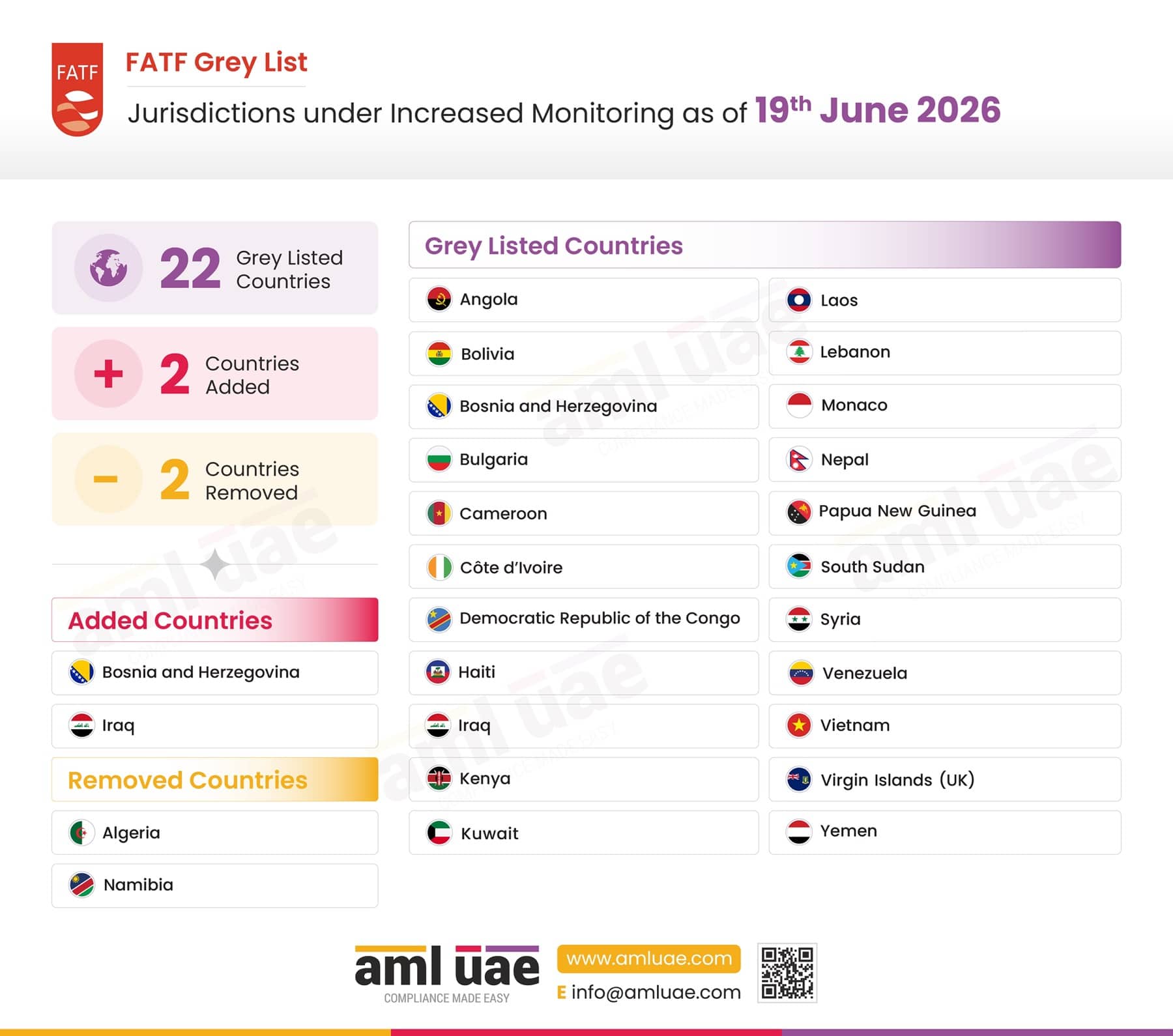
  • Customers hailing from jurisdictions notified as “high-risk” or subject to increased monitoring (FATF grey list countries)
  • The customer is a Politically Exposed Person (PEP) or associated with a PEP
  • A person having a criminal history or has been charged for any financial crimes and proceedings are underway
  • The customer insists on settlement of the transaction in virtual assets
  • Doubt about the appropriateness of customer’s risk classification
  • Customer is a non-profit organisation (NPO)
  • Customer being associated with a designated or sanctioned person
  • Customer having adverse media suggesting past connection with financial crimes such as ML/FT and PF
  • Red-flag indicators of potentially unusual or suspicious activity, such as –
    • When intermediaries are involved in the transaction without any logical reasoning
    • When the customer’s legal structure is unnecessarily complex
    • Customer hesitant about sharing the details of the ultimate beneficial owner

Enhanced Due Diligence Procedures

Enhanced due diligence procedures form a structured EDD process designed to manage heightened risk. These enhanced due diligence measures and AML EDD procedures ensure risks are identified, assessed, and monitored effectively.

As part of the EDD process, regulated entities typically obtain the following additional information:

Seeking additional details

Once a customer has been classified as “high-risk,” the following EDD additional information is to be sought as part of enhanced customer due diligence procedures:

  • Additional Identification Documents
  • Nature of business  
  • Source of funds 
  • Source of wealth 
  • Purpose of transaction 

Such information should be backed up by substantial documentation, such as obtaining bank statements or audited books for determining the source of funds/wealth, etc.

Source of Wealth Verification

Source of Wealth verification under EDD source of wealth checks includes overall money and assets owned by someone. When information as to the financial status of a customer is gathered, it is essential to verify the same.

For this purpose, there is a need to adopt an effective verification process which thoroughly looks into the origin of wealth by using supporting documents such as:

  • Bank statements
  • Recently filed business accounts,
  • Documents confirming the source,
    1. like the sale of a house
    2. sale of shares
    3. a win from gambling activities

Source of Funds Verification

Once information related to the source of wealth is gathered, it is essential to verify the funding source for the transaction.

Source of funds verification requires conducting more thorough searches and verifying where the funds originated to ensure that they are not derived from any criminal activity, including ML/TF and PF.

This is a key part of AML SoF checks and EDD Source of Funds validation.

Additional verification and establishing the legitimacy of the information received

Enhanced verification includes:

  • Relying on third-party databases (e.g., cross-checking the identity of the foreign national with the country’s embassy or consulate)
  • Evaluating the reasonableness of the purpose of the transaction
  • Verifying the professional and financial background of the person

These legitimacy checks form part of EDD validation process and should be based on credible sources such as private databases or official government websites to avoid bias or wrong information.

Adverse Media and Social profile check

Adverse media screening involves reviewing open-source information for negative news. EDD adverse media checks help understand a person’s history and reputation, supporting overall risk categorisation and managing AML reputation risk.

Along with this, social profiles like LinkedIn or Facebook, etc., of the person should be looked for and reviewed to understand social presence and association with other organisations. It helps in understanding the person’s social stature, as it is seen that a person indulging in financial crimes may not have strong social prominence.

Requiring First Payment from a Bank Account Held in Customer’s Name

For enhanced traceability and transparency, DNFBPs should demand payment from the customer’s bank account. It is mandated under the UAE AML laws that for high-risk customers, DNFBPs must not accept payment using alternate modes like cash or a third-party bank account.

Such a measure aids in documenting financial transactions and makes monitoring for AML regulatory compliance easier.

Compliance Officer Approval

Before onboarding a high-risk customer, it is necessary that the compliance officer verifies the available information and approves the onboarding.

Senior management approval

Before onboarding a high-risk customer, approval from senior management is mandatory.

Enhanced or frequent monitoring of customer information and transactions

Given the high risk associated with the customers subjected to EDD, the AML regulations also require the designated entities to monitor the customer information and their transactions more frequently. Such enhanced monitoring would help in identifying and reporting the following:

  • Change in customer information contradicting the information shared earlier
  • Unusual pattern of transactions
  • Sudden change in terms of transactions,
  • Customer behaviour suggesting money laundering-related suspicion, etc.

Why are EDD measures necessary?

The purpose of enhanced due diligence is to strengthen AML risk mitigation where standard controls are insufficient. Understanding why EDD is important helps prevent financial crime and regulatory breaches. The following measures are critical:

Take a Risk-Based Approach

It is an essential element of the AML compliance framework to adopt a risk-based approach to evaluate the customer’s risk level based on ML/FT and PF risks associated with them. EDD aids you in accurately detecting and investigating high-risk customers.

Combat financial crimes

The additional information collected and rigorous verification measures performed as part of EDD help you and the government keep a tab on transactions of high-risk customers and identify any suspicious behaviour beforehand, helping you prevent financial crimes.

Comply with regulations

EDD is a prominent part of the AML compliance framework. You conduct due diligence on your customers to avoid the risks of money laundering or other financial crimes. Thus, you follow these requirements by implementing EDD procedures, avoiding resultant fines and penalties.

Build reputation

When you put in place proper CDD and EDD procedures, you not only adhere to the AML regulations but also safeguard your business from being vulnerable to money laundering and financial crime risks. It also conveys your ideologies and support to fight these financial crimes. It brings you customer loyalty and public trust, improving your reputation.

Benefits of EDD

EDD is a crucial element for DNFBPs in managing ML/FT and PF risks, complying with regulations, and effectively detecting and preventing financial crimes.

The benefits of EDD include:

ML/TF Risk Management

EDD measures help DNFBPs in mitigating ML/FT and PF risks by adopting an enhanced process to obtain deeper insights into the transactions and activities of customers and other entities. This aids in undertaking a thorough scrutiny, which allows them to identify and address any potential risks more effectively.

Improved Business Decisions

Employing EDD facilitates DNFBPs to collect comprehensive information about customers and other entities. This aids them in adopting an improved decision-making process for establishing business relationships, which reduces the chances of unfavourable outcomes.  

Regulatory Compliance

EDD is an essential element of AML compliance and plays a key role in meeting regulatory requirements as provided under the AML/CFT regulations in the UAE. Undertaking EDD shows DNFBPs’ commitment to compliance requirements that help them avoid any risk of penalties, fines, and legal actions.

Transparent and Trustworthy Business

Employing EDD measures helps in thorough scrutiny of documents and transactions. This promotes transparency and trustworthiness in business transactions. An enhanced verification and identification process helps them to assess risks effectively, which shows commitment to mitigate risks. This element builds trust with regulators, customers, and investors,

Financial Crimes Detection

EDD aids in detecting and preventing financial crimes, including ML/FT and PF, by scrutinising financial activities and deep background checks. With this, DNFBPs can constructively identify suspicious behaviour, patterns and activity that indicate the facilitation of financial crime, which safeguards them and their financial integrity.

Adoption of a Risk-Based Approach

EDD promotes adopting a risk-based approach to customer due diligence. This tailored due diligence approach allows DNFBPs to allocate resources efficiently by focusing on high-risk areas while streamlining the process for low-risk ones.  

Limitations of Enhanced Due Diligence

EDD strengthens the compliance framework of regulated entities but there are limitations of enhanced due diligence as well.

The following is the list of key challenges associated with EDD:

Increased Costs

The entire process of EDD requires performing various tasks, which require expertise. Further, implementing EDD also requires employing specialised tools, conducting training and continuous monitoring, which takes up a lot of resources. This makes the EDD process very expensive, which makes it difficult for small businesses that lack adequate resources and budget to undertake EDD measures.

Poor Customer Experience

Employing EDD requires constantly asking customers for information for verification, which can be frustrating for them. Additionally, in cases where DNFBP takes action for false alerts or has an inadequate risk appetite to segregate customers, it leads to poor customer experience.

Time-Consuming

Undertaking EDD is time-consuming as it requires employing thorough measures for scrutinising customer information. This increases onboarding times and transaction processing and delays decision-making.

Complex

EDD itself has various elements, making the process multifaceted.  Additionally, EDD requires integration with the dynamic financial landscape and regulatory requirements, which introduces complexity to compliance processes. Further, navigating EDD compliance frameworks demands significant expertise and resources, which also makes it difficult to comprehend.

Privacy Issues

EDD requires collecting and maintaining extensive customer information relating to their personal identities, financial profile, and their association. Such detailed collection and assessment of data raises privacy concerns for customers and makes them resistant towards the entire process.

Reliance on Third Parties

EDD is a complex process that requires expertise and knowledge. For this reason, many DNFBPs rely on external providers for EDD services. This increases dependencies on third parties. However, keeping a check on third parties and ensuring their reliability and effectiveness makes the EDD process more time-consuming and ineffective.

Financial Crimes may Still Happen

Employing EDD helps DNFBPs adopt enhanced mitigation measures. However, even though EDD undertakes stringent measures, it still leaves space for criminals to exploit loopholes and employ new trends and tactics to facilitate illicit activities. Thus, EDD cannot guarantee absolute protection against illicit activities, including ML/FT and PF.

False Negatives and Positives

EDD processes may not detect suspicious activity or can generate false alerts leading to unrequired scrutiny of legitimate transactions. Moreover, it is difficult to strike a balance to minimise such errors, which becomes very difficult and destroys the whole purpose of EDD.

Too Much Reliance on Historical Data

EDD requires verifying and identifying information that uses historical data. While it is essential for determining customer transaction patterns and reliability, it is not fully reliable for future events.

Subjectivity in Risk Assessment

EDD involves making judgments and decisions relating to risk posed by customers. But, many times, they are based on incomplete or imperfect information, which can make it somewhat subjective. Furthermore, there is variability in risk assessment methodologies and interpretations, which may lead to inconsistencies. As a result, it can be difficult to form a suitable risk assessment process.

Implement best EDD Measures to Detect and
Deter ML/FT and PF risk

With our accurate AML consulting services

Best Practices for Implementing Enhanced Due Diligence

Adopting enhanced due diligence best practices ensures effective EDD implementation aligned with regulatory expectations and broader AML best practices.

The following is the list of best practices that the regulated entities like FIs, DNFBPs and others should include in their EDD process:

Documentation of Business Environment

This practice involves keeping documentation of the business environment, including customer details, geographic locations, industry sector and transactions. It helps maintain comprehensive documents, which gives a better idea of the business’s nature and operations, facilitating better risk assessment and identification of EDD measures.

Top Management Commitment

When undertaking the EDD process, DNFBPs must involve the top management for successful implementation. When top management commits to compliance and risk management, it sets the corporate culture and helps with appropriate measures for resource allocations, compliance with the regulatory requirements and mitigating ML/FT and PF risks.

Adoption of a Risk-Based Approach

DNFBPs should adopt a risk-based approach for implementing tailored EDD measures based on the risk associated with each customer or transaction. With such integration, EDD measures effectiveness increases as it allows risk assessment to focus on high-risk areas and, further, applying appropriate measures to low-risk and medium-risk areas.

ML/FT Risk Assessment

It is essential to assess ML/FT and PF risk based on the nature of the business as well as the customer base. By identifying and evaluating these risks, DNFBPs can prioritise areas for EDD efforts and implement targeted controls in mitigating ML/FT and PF risks, which, therefore, enhances their overall compliance and risk management framework.

Defining Risk Appetite

Having a risk appetite for ML/FT and PF risks is important for setting clear risk thresholds which an entity is willing to take. This aids as a guiding principle for EDD decision-making processes, measures, and maintaining compliance with regulatory as well as ethical standards.

Enforcement of Controls

Implementing strong controls and procedures for mitigating identified ML/FT and PF risks. This practice ensures that DNFBPs have safeguards measures in place to prevent illicit activities, detect suspicious activities and take prompt actions.

Defining Trigger Events for EDD

It is crucial that entities establish clear trigger events for conducting EDD for identifying situations that may warrant enhanced scrutiny. By establishing clear triggers, DNFBPs can implement EDD measures consistently and in a timely manner, which helps in a better system for detecting suspicious activities.

Drafting Customer Acceptance and Exit Policies

DNFBPs must draft clear policies for customer onboarding and exit to manage business relationships effectively while mitigating ML/FT and PF risks. With an outline, DNFBPs can ensure they onboard only such customers who are within their risk appetite, thus minimising exposure to any potential risks.

Drafting EDD Procedures

Developing comprehensive EDD procedures, which become the basis for the consistent standards and practices across the entity. This practice lays down a clear roadmap for DNFBPs to follow when conducting EDD, avoiding any inconsistencies and thus enhancing the effectiveness and efficiency of the EDD process.

AML Software Implementation

The EDD process has various elements for which AML software solutions can be implemented. When selecting software, DNFBPs should keep in mind that it streamlines their EDD process by automating repetitive tasks, enhanced data analysis, and continuous monitoring of suspicious patterns and activities. Software integrations enable DNFBPs to reduce costs and use of resources and strengthen their overall AML/CFT framework.

Onboarding Decision by Top Management

Top management has a better understanding of making onboarding decisions as they are responsible for establishing AML/CFT policies, guidelines, and strategy for their entity. In the UAE, it is essential to involve them in the decision-making process for customers posing a high risk to increase scrutiny and take appropriate measures. This helps with consistency in applying EDD measures and ensures effective alignment with strategic objectives and regulatory requirements.

Enhanced Customer Due Diligence Checklist

Use this enhanced due diligence checklist as a practical EDD checklist:

  1. Obtain additional ID verification documents to the extent necessary
  2. Understand and document the nature of business and the purpose of transaction
  3. Obtain and verify the source of funds
  4. Obtain and verify the source of wealth
  5. Insist on first payment coming from the customer’s own bank account
  6. Understand the reasons behind complex legal structure if applicable
  7. Perform background checks (Internet searches, Sanctions check, Criminal history check, etc.)
  8. Obtain top management approval for customer onboarding
  9. Customers to be placed under frequent monitoring for ongoing due diligence of customer information and transactions

Avail AML UAE’s expert services in implementing EDD procedures

Safeguarding your business against the increased risk of financial crime becomes possible when you know your customers better before establishing a relationship. And for this reason, adopting Enhanced Due Diligence measures becomes very pertinent.  

AML UAE helps clients implement adequate due diligence measures. We help clients understand their customers’ businesses, verify their identities, and conduct a complete check of their risk levels. We manage all the checks and verifications to develop your customers’ risk profiles.  

AML UAE provides tailored enhanced due diligence services through specialised AML consulting services, supporting effective EDD support aligned with UAE regulatory requirements.

We train their employees, develop the AML policies and procedures, and set up an in-house AML compliance department, including managing the customer onboarding cycle (KYC, CDD, EDD). We provide end-to-end services to stay compliant with AML regulations in the UAE and safeguard your business against financial crime risks.  

FAQ — Enhanced Due Diligence (EDD)

What is enhanced due diligence in AML compliance?

Enhanced Due Diligence is a higher level of customer verification applied to high-risk customers. It involves deeper checks to better understand the customer’s identity, source of funds, source of wealth, and overall risk exposure.

Customer Due Diligence (CDD) is the standard process applied to most customers to verify identity and assess risk. Enhanced Due Diligence (EDD) goes further by applying additional verification, deeper scrutiny, and senior management approval for high-risk customers.

EDD is required when a customer is classified as high-risk, such as Politically Exposed Persons (PEPs), customers from high-risk jurisdictions, complex ownership structures, or when transactions appear unusual or inconsistent with the customer profile.

Common triggers include PEP status, links to high-risk countries, large or complex transactions, use of intermediaries, adverse media findings, unexplained wealth, or sudden changes in transaction behaviour.

EDD typically requires documents evidencing source of funds and source of wealth, corporate ownership structures, bank statements, adverse media checks, and any additional information needed to justify the business relationship.

EDD helps prevent money laundering by identifying hidden risks, verifying the legitimacy of funds, detecting suspicious patterns early, and ensuring that high-risk customers are subject to stronger controls and closer monitoring.

Senior management is responsible for reviewing and approving high-risk relationships, ensuring that enhanced controls are applied appropriately, and confirming that the risk aligns with the organisation’s risk appetite.

Begin your AML compliance journey with a positive first step.

Contact our team to handle your Ongoing Monitoring.

Share via :

About the Author

Jyoti Maheshwari

CAMS, ACA

Jyoti has over 11 years of hands-on experience in regulatory compliance, policymaking, risk management, technology consultancy, and implementation. She holds vast experience with Anti-Money Laundering rules and regulations and helps companies deploy adequate mitigation measures and comply with legal requirements. Jyoti has been instrumental in optimizing business processes, documenting business requirements, preparing FRD, BRD, and SRS, and implementing IT solutions.

Reach Out to Jyoti

What is Integration in Money Laundering?

Blogs

Last Updated: 12/19/2025

Table of Contents

Protect your business with reliable and effective AML strategies with AML UAE.

Integration in Money Laundering: Key Takeaways

  • Integration is the final stage of money laundering, where illicit funds are merged with legitimate funds to obscure their criminal origin.
  • Once integrated, dirty money becomes difficult to trace, allowing criminals to freely use funds through businesses, assets, or financial products, amongst others.
  • Common integration techniques include real estate investments, shell companies, trade-based laundering, and financial instruments, often supported by layered documentation.
  • Strong AML measures especially CDD, ongoing monitoring, and employee training are critical to detect and disrupt laundering attempts at the integration stage.

What is Integration in Money Laundering?

Integration in money laundering refers to the final stage of the laundering cycle, where illicit proceeds are reintroduced into the legitimate economy and made to appear legitimate.

In simple terms, the integration meaning in money laundering lies in disguising criminal funds so effectively that they become difficult to distinguish from legitimate income.

Understanding what is integration in money laundering is critical because this integration stage of money laundering often marks the point where criminals freely use illicit wealth.

To deploy anti-money laundering measures, businesses must understand the concept and functioning of the process and its three stages, PlacementLayering, and Integration.

What is Money Laundering?

Money laundering is a complex process wherein the launderer brings in multiple persons and accounts to conceal the origin of the illegally obtained money and make it look as if it is generated from proven legitimate sources. Money laundering is all about disguising the identity of the illicit source and the owner of such illicit funds.

The money laundering process involves three stages – placement, layering, and integration, through which the dirty money is processed or routed to make it appear clean at the end of the laundering process, making it difficult for the authorities to trace its true origin. During the integration stage of the process, the criminal proceeds are mixed with the legitimately obtained funds to erase the distinction of the funds as clean or black.

To detect and prevent money laundering, authorities worldwide have introduced regulations designating certain classes of businesses and professions to implement Anti-Money Laundering processes. The effectiveness of the measures and controls is highly dependent on the understanding of the concept, i.e., if the regulated entity is aware of the working or operating cycle of the money laundering process and the associated risk indicators, then only can the controls be customized to harp on the money laundering attempt precisely.

AML Compliance Requirements

Understanding the Stages Involved in the Money Laundering Process

The stages of money laundering typically follow a proper cycle consisting of placement, layering, and integration. These money laundering stages collectively describe how illicit funds enter the financial system, are obscured through complex transactions, and ultimately re-enter the economy.

This money laundering cycle highlights why early detection during placement or layering is often easier than at the integration stage.

Placement: Putting the funds in the system

The criminals begin the money laundering process with the placement stage, i.e., by placing or introducing the illegally obtained money into the legal financial systems of the country of origin or any other jurisdiction. The standard placement techniques used by the launderers are smurfing or structuring vast amounts of cash into smaller denominations, which are deposited into multiple accounts using different names or locations. Further, criminal proceeds are also placed in the economy using other methods like buying properties or luxurious items using cash.

Layering: Hiding the illegal origin

As the name indicates, in the layering stage, the illegal money placed in the economy is transferred through various layers of complex transactions – involving various parties, accounts, legal structures, and cross-border transactions, to create as much distance as possible between the illegally obtained funds and its illegal source. Some commonly used layering forms are shell and shelf companies, converting the funds into complex financial instruments, etc.

Integration: Merging the funds

It is the last stage of the process where the criminal proceeds are integrated with the legitimate funds, mingling the two to make it difficult for the authorities to carve out the illegal amount from the legally generated income. Once the funds are integrated with regular funds, the criminals can utilize these funds for personal benefits or divert them back to criminal activities without drawing any inquiry from the authorities.

It is essential to understand the intricacies of the integration stage of the money laundering process to prevent the completion of the laundering process and criminals from mingling the dirty funds into the clean economy.

Stages of money laundering-01

What Is the Integration Stage of Money Laundering and Common Techniques Used?

The integration stage in money laundering is the phase where laundered funds are absorbed into legitimate financial and commercial activities. Some common money laundering integration techniques include real estate investments, shell companies, trade-based transactions, and others.

These examples of integration in money laundering demonstrate how criminals use seemingly lawful structures, making integration stage examples particularly difficult to detect.

What is the purpose of Integration in the money laundering process?

When the launderer thinks enough layering has been done to conceal the origin of the criminal activities through which the funds were generated, they move towards integration from when the funds can be freely used. The primary purpose of the integration stage of the money laundering process is to enable the launderers to mix illegal funds with their legitimate funds, from where they can use this dirty money for personal benefits without drawing the attention of the regulatory authorities.

What are the common methods used for Integration in money laundering?

As part of the integration, the launderers create a complex structure of transactions involving multiple parties and bank accounts and generating a complicated chain of documentation, making the funds appear as if obtained from legal sources. Some of the common techniques used by launderers to integrate the funds into the legally generated income are:

Investing in legitimate business ventures

Launderers often invest the illegally obtained funds into legitimate business activities. Once put in the business, the funds generated from these activities would be named “business profits” without attracting many inquiries about the source of such business capital.

Buying real estate or other assets

Another technique used to camouflage illegal funds is to buy real estate or put money into luxurious items like expensive cars, yachts, or antiques and also in cryptocurrencies. These assets are then sold to generate the income in nature of the “sale of assets” or are collateralized to get loans from financial institutions, creating more distance from the illegal source. Here, the final amounts generated are shown as funds from selling assets like real estate property with adequate documentation, without raising questions about how the funds were arranged for buying these high-end properties and assets.

Shell companies and offshore accounts

The launderers also use offshore accounts and shell/shelf companies during the integration stage to create an intricated web of legal structure moving across various jurisdictions, involving countries with lax regulatory disclosure requirements, making it difficult for the authorities to trace the true identity of the funds and their owner.

Trade-based money laundering

The launderers resort to trade-based money laundering methods by over/under-invoicing from their legitimate business to move and mix the illegal proceeds across borders.

With commercial transaction-related documentation at the base, the dirty funds change hands and bank accounts without suspicion.

Using Financial Products or instruments

The criminals may also use financial products like life insurance products to integrate the laundered sum. The launderers buy multiple life insurance policies, which are sold off within a short span, encashing the criminal proceeds in the name of “funds generated from insurance”.

What are the key complexities in tracking the integrated dirty money?

Tracking illicit funds becomes increasingly difficult once they reach the integration phase. Challenges in detecting integration arise because funds are blended with legitimate income, supported by documentation and complex transactions.

These money laundering integration risks complicate efforts to trace ownership, making tracking illicit funds one of the most significant AML integration challenges.

The primary reasons causing it difficult to split the funds are:

  • During the placement and layering stages of the money laundering process, involving multiple persons and accounts were involved, making it hard to identify the real culprits of laundering during the integration phase.
  • Many times, integration occurs across borders, and accessing these foreign systems is challenging without international cooperation.
  • Careful planning of the integration stage (such as engaging in limited value transactions), making it look natural and reasonable.
  • Using tools like nominee arrangements and shell companies complex the chain, wherein spotting the mastermind of the criminal funds is overwhelming.
What is Integration in Money Laundering?

What measures must be adopted to identify and prevent money laundering attempts?

Preventing integration in money laundering requires strong AML integration controls, including enhanced customer due diligence, transaction monitoring, and ongoing risk assessment.

Effective AML monitoring and targeted AML detection measures help identify unusual patterns, inconsistencies, and red flags that may indicate integrated illicit funds. These controls are essential for preventing integration in money laundering and safeguarding financial systems.

To combat money laundering and associated financial crimes, authorities worldwide have laid down the laws and regulations, guiding the regulated entities to implement the necessary controls and mitigation measures.

Since the money laundering stages involve exploitation or misuse of the financial sector and other legitimate businesses (designated to comply with AML regulations), these regulated entities must make diligent efforts to detect and prevent the money laundering by adopting robust anti-money laundering Program, covering processes, systems, and controls, such as:

Customer Due Diligence:

The regulated entities must design and implement comprehensive Customer Due Diligence (CDD) measures to identify the person with whom the business relationship is to be established, verifying the legitimacy of their identities, including identifying the legal structure and the beneficial owners. Further, the prospects and the existing customers must be regularly screened to see if they are sanctioned or Politically Exposed or have some association with criminal activities. Based on the gathered information, the customer’s risk profile must be developed, and the level of risk they pose to the business must be determined. If required, an Enhanced Due Diligence process must be implemented to manage the customers posing a higher risk of money laundering.

Elements of the Customer Due Diligence Process

Ongoing Monitoring of Business Relationships:

Once the customer’s risk assessment is done and is onboarded, the AML measures do not end here. The customer’s risk profile is dynamic, changing over time. Thus, regulated entities must monitor the customer’s identification information, the risk profile of the customer, and the transaction executed by the customer to detect any red flags or inconsistencies suggesting the possibility of money laundering. The entities may deploy emerging tools and technologies to analyze the large volume of data on a real-time basis and generate alerts for any suspicion, warranting the inquiry by the AML Compliance Officer.

AML Transaction Monitoring Rules

AML training for the employees:

The exercise of identifying the potential risk indicators cannot be managed solely by the Compliance Officer. The employees at different levels of the organization structure deal with customers, manage the transactions, etc., making the customer information and transaction details available for analysis. Only when these employees are trained on the entity’s AML Program, identification of suspicious activities, and made aware of their duties towards combating money laundering can they contribute towards the prevention of the money laundering instances attempted through the exploitation of the business.

Only with an effective and robust AML framework, including documented AML policies, procedures, and controls, can the regulated entity stay ahead of the money launderers and stop their efforts to merge the ill-gotten funds into the legal financial systems.

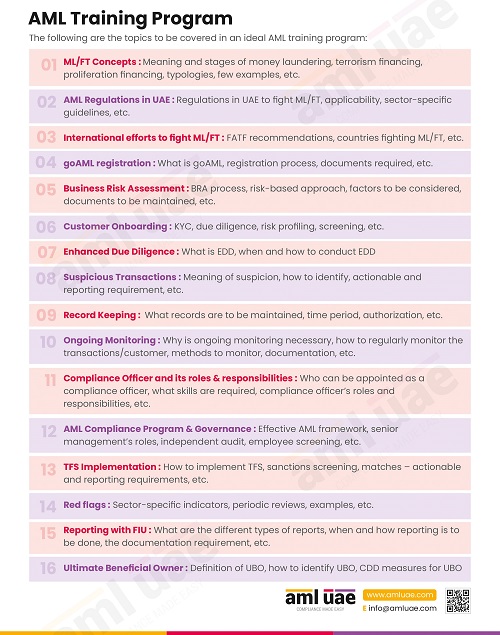
Designing a comprehensive AML Training Program

Role of AML Controls, KYC, and Transaction Monitoring in Detecting Integration

Detecting AML integration requires a coordinated AML process built on strong AML controls, effective KYC AML measures, and continuous transaction monitoring.

Since integrated funds often appear legitimate, enhanced customer profiling, ongoing due diligence, and behavioural analysis are pivotal to identifying inconsistencies between a customer’s risk profile and financial activity.

When applied together, these AML controls strengthen early detection and help prevent illicit funds from remaining embedded in the financial system.

What Assistance Can AML UAE Offer in Preventing Integration Risks?

AML UAE supports organisations in preventing integration risks by providing end-to-end AML consulting and AML compliance services tailored to regulatory expectations.

Through risk-based AML risk management, AML UAE helps strengthen customer due diligence, transaction monitoring, internal controls, and ongoing oversight to detect and mitigate money laundering risks at the integration stage.

AML UAE assists the regulated entities in UAE by conducting Enterprise-Wide Risk Assessment (EWRA), customising the AML policies and processes, and delivering targeted AML training. . Further, we also train the compliance officer and the team on identifying suspicious indicators and actions to be taken to manage and report these red flags.

Let’s come together to prevent the integration of illegal funds into the financial system.

FAQs — Integration in Money Laundering

What is integration as a stage of money laundering?

During the integration stage, the dirty money is mingled with the legit sources to make it appear as if generated from such a legit source itself, obscuring the criminal source of such dirty money.

Money laundering attempts are easy to detect during the Placement stage, as the launderers try creating a series of fund movements, possibly involving multiple accounts or parties, which may be triggered as a red flag in the regulated entities’ system.

Some examples the criminals use to integrate the laundered funds are investments in legitimate business ventures, buying real estate property or luxurious items with expensive cars, antiques, or precious stones.

Integration is the third and final stage of the money laundering process, preceded by Placement and Layering.

Once the criminals have introduced the funds into the financial systems (during the Placement stage), in the Layering stage, a complex network of transactions is created to create multiple layers between the criminal proceeds and their origin. During the Integration stage, the movement of funds is almost done, and now the illicit funds are integrated with the legit funds, making its disintegration challenging.

The 3 stages of the money laundering process are:

  • Placement
  • Layering
  • Integration

Make significant progress in your fight against financial crimes,

With the best consulting support from AML UAE.

Share via :

About the Author

Jyoti Maheshwari

CAMS, ACA

Jyoti has over 11 years of hands-on experience in regulatory compliance, policymaking, risk management, technology consultancy, and implementation. She holds vast experience with Anti-Money Laundering rules and regulations and helps companies deploy adequate mitigation measures and comply with legal requirements. Jyoti has been instrumental in optimizing business processes, documenting business requirements, preparing FRD, BRD, and SRS, and implementing IT solutions.

Reach Out to Jyoti

Customer Due Diligence (CDD): A Complete Guide | AML UAE

A complete guide to effective customer due diligence feature img

A complete guide to effective customer due diligence

Last Updated: 12/18/2025

Table of Contents

Protect your business with reliable and effective AML strategies with AML UAE.

Effective CDD: What You Need to Know?

  • CDD is a crucial part of the UAE AML/CFT framework requiring entities to identify, verify, and risk-assess customers to mitigate ML/TF/PF risks.
  • A risk-based approach drives CDD determining whether simplified, standard, enhanced or ongoing due diligence measures apply across customer lifecycle
  • Effective CDD combines KYC, screening, risk profiling, monitoring, reporting, and record-keeping to ensure continuous compliance
  • Best CDD practices reduce regulatory and reputational risk while strengthening long-term compliance resilience.

Companies are vulnerable to financial crimes and used as channels for facilitating or carrying out illegal activities, such as Money Laundering (ML), Financing of Terrorism (FT), and Proliferation Financing (PF) of weapons of mass destruction.

Thus, it is crucial for them to undertake an AML Customer Due Diligence (CDD) process to mitigate the ML/FT and PF risks posed by customers

CDD is an essential element of UAE’s AML/CFT regulatory framework, which assesses the ML/FT and PF risks that arise from various factors such as customers, geographies to which customers belong, delivery channels, modes of transaction, etc.

CDD enables businesses to check the legitimacy of their prospective customers by identifying and verifying their identity details and ensuring that the customers are indeed the persons or entities they claim to be.

Here is a complete guide to effective customer due diligence to help you fight ML/TF/PF risks. This foundational AML customer due diligence practice safeguards businesses against potential financial crime threats.

What is Customer Due Diligence?

Customer Due Diligence (CDD) is all about identifying potential customers and checking their authenticity and legitimacy through systematic CDD measures. In addition, it means cross-verification of the details provided by the customer for their legal validity and accuracy.

The CDD meaning remains the same, but the procedures change across the industries. In total, there are four aspects of CDD, namely, simplified, standard, enhanced, and ongoing.

By conducting CDD, businesses aim to mitigate the potential for financial crimes such as ML/FT and PF. Additionally, this multifaceted approach serves as a foundational element in establishing trust, credibility, and regulatory compliance within the business landscape.

UAE AML/CFT Regulations for CDD

The UAE has established robust AML laws to combat financial crimes, including ML/FT and PF. These robust regulatory frameworks include Federal Regulations, which are aligned with international standards set out by the Financial Action Task Force (FATF).

Additionally, as part of the AML/CFT legal landscape, the regulated authorities in the UAE have released various guidelines supporting the primary regulations for undertaking effective measures.

The UAE’s regulatory framework necessitates CDD AML measures for every customer. The framework governing CDD is also based on FATF recommendation No. 10, which lays down the principle of undertaking a Customer Due Diligence process. This includes disclosure of beneficial ownership and verification of identities.

Furthermore, the Ministry of Economy and Tourism’s Guidelines for Designated Non-Financial Businesses and Professions mandate DNFBPs to undertake CDD measures in assessing and combating risk associated with customers based on the risk-based approach taken by the entities.

Role of CDD in AML Regulatory Framework

As a crucial measure of UAE’s AML/CFT regulatory framework, regulated entities are required to undertake CDD measures, which include a thorough process of identifying and verifying customers, assessing their risk profile, and monitoring them throughout their customer lifecycle. Implementation of an effective CDD process helps reporting entities determine the different levels of risk associated with different customers and further establish the appropriate CDD AML measures for risk mitigation.

The CDD process provided under the UAE’s Regulatory Framework lays down a comprehensive framework for addressing potential ML/FT and PF threats when engaging with both new and existing customers. Therefore, CDD plays an important role in assisting reporting entities in maintaining regulatory compliance and safeguarding themselves against financial crimes.

Reporting Entities subject to CDD in the UAE

The legal framework governing AML/CFT in UAE applies to all financial institutions, banks, insurance companies, Designated Non-Financial Businesses and Professions (DNFBPs), and Virtual Asset Services Providers (VASPs). Furthermore, these DNFBPs include: 

  • Dealers in precious Metals and Stones 
  • Real Estate Agents and Brokers 
  • Trust and Corporate Service Providers 
  • Auditors & independent Accountants 
  • Lawyers, Notaries & Other Legal Professionals

Therefore, every reporting entity in UAE needs to adopt an effective AML/CFT framework in order to mitigate and manage ML/FT and PF risks.

When is CDD required?

The need to apply the CDD AML process comes into the picture when a business organisation is required to abide by AML/CFT regulations and intends to establish a business relationship with a potential customer.

Businesses often ask what are the 4 Customer Due Diligence requirements? These core requirements include customer identification, beneficial owner verification, understanding the business relationship purpose and conducting ongoing monitoring.

In line with the Customer Due Diligence Policy and Procedures, businesses try to understand the following and take adequate CDD measures:

  • Why is an account being opened?
  • How will it be used?
  • What will be the nature of transactions?
  • What will be the volume and frequency of transactions?

The business must verify the customer’s identity and assess the risk profile. Therefore, DNFBPs/FIs must carry out the Know Your Customer (KYC) procedure as part of CDD compliance procedures in the following situations.

  • Customer Due Diligence becomes mandatory and simply inevitable at the time of entering a new business relationship with an individual or a legal entity. This is important in order to verify the identity of the customer.
  • When undertaking the CDD process for a new customer, the customer’s risk profile is also assessed, and the applicability of enhanced due diligence is determined.
  • Various occasional transactions warrant customer due diligence measures. An occasional transaction equal to or exceeding AED 55,000/- requires regulated entities to perform proper due diligence on customers.
  • An occasional wire transfer for an amount equal to or exceeding AED 3,500/- requires proper performance of CDD measures.
  • Business organizations who suspect the involvement of their customers or proposed customers in activities such as money laundering or financing of terrorism should impose KYC, CDD checks.
  • When it is observed that the identification documents provided by potential customers are inadequate, unreliable, or suspicious, KYC and CDD measures must be undertaken.

When is CDD conducted?

Customer Due Diligence (CDD) is conducted at specific trigger points to ensure ongoing compliance and risk management. Under UAE AML/CFT regulations, the CDD process is required under the following circumstances:

  1. Before entering into a business relationship or
  2. During the course of entering into a business relationship or
  3. Before opening an account or
  4. During the course of opening an account or
  5. Before carrying out a transaction with a new customer
  6. Before entering into occasional transactions exceeding monetary thresholds
  7. When there is a suspicion as to ML/TF
  8. When the previously obtained customer identification data is not proper or adequate.

Fundamentals of Customer Due Diligence

At the initial level, CDD starts by verifying the identity of the customer and understanding the nature of its business. The entire CDD process involves certain steps and a few regulatory obligations imposed on DNFBPs under AML/CFT regulations, as follows:

1. Identification of customer

DNFBPs should first identify their customers by seeking personal information like name, date of birth, nationality, and address. This should further be backed by conclusive evidence issued by the Government in the form of a passport, ID Card, Driving License, etc. Businesses need to implement a comprehensive customer identification program (CIP) to comply with legal requirements.

Standard Due Diligence

2. Beneficial ownership

Customer Due Diligence measures should identify the beneficial owner of the customer or proposed transaction. This includes understanding the customer’s ownership control or the organisation’s structure.

3. Business Relationship

After verifying the customer and identifying business ownership, DNFBPs should focus on obtaining information related to the nature of the business relationship the client intends to establish.

Our timely and accurate AML consulting services

For your smooth journey towards your goals

Step-by-Step CDD Process

Understanding the following steps is essential for implementing effective CDD measures within your AML Customer Due Diligence framework.

Step-by-Step CDD Process

1. KYC - Identification and Verification

The foremost step of the CDD process is identifying and verifying the identities of customers before entering into business relationships with them. This process is what we call Know-Your-Customer (KYC). KYC is a fundamental element of the CDD process.

KYC is further divided into two steps: identification and verification of the customer.

a) Identification and collection of customer information

The first step of CDD is to get the essential information from customers or potential customers. A Know Your Customer Form or KYC form can be maintained for this purpose. The information to be obtained for the purpose of AML due diligence includes the following:

- KYC for Natural Persons

Here is the list of information to be sought from the customer:

  • Complete Name
  • Address of the customer
  • Contact numbers
  • Additional/ alternative contact numbers
  • Legit, accessible, and working email address
  • Place of birth
  • Date of birth
  • Nationality
  • Gender
  • Government-issued identification number
  • Occupation
  • Signature

Along with the above, at a minimum, a copy of the ID document and proof of address are also obtained.

- KYC for Legal Entities

Here is the list of information to be sought from the customer who is a business entity:

  • Name of the business entity
  • Type of the business entity
  • Nature of business the entity is into
  • Date and place of establishment
  • Information related to the board of directors
  • Certificate of establishment/incorporation
  • Information related to shareholders or ultimate beneficial owners
  • Annual report for the previous year
  • Information pertaining to senior management

Along with the above, a copy of the trade license, Memorandum of Association, Articles of Association, address proof, UBO details, and organisation chart are also obtained.

In high-risk situations, source of funds and source of wealth information is also obtained.

b) Verification of the customer

The second step of the KYC under the CDD program is to verify all the information that has been collected in the identification step. Again, it is essential to note that most of the collected data can be confirmed with the help of a government agency’s site or any reputable independent institution. For instance, documents like identity cards, tax receipts, and passports can be verified on the respective government portals based on the unique number associated with them.

2. Name Screening

Name screening is done in order to identify if the customer is a sanctioned individual or entity, a politically exposed person or a person with a criminal history and adverse media references. The primary objective behind carrying out the process of name screening is to check that the customers do not fall under the following categories:

  • Sanctioned individual or an entity
  • Politically Exposed Persons (PEPs)
  • Reported in Media with alleged involvement in any criminal activities
Sanctions Screening - Actionable and Reporting under AML UAE

3. Customer Risk Profiling

At this stage, the AML Compliance Officer determines the risk level of each customer or potential customer based on various factors. While performing risk-based customer due diligence, the following risk factors are taken into consideration:

  • Type and nature of business relationship/transaction
  • Nationality of the customer
  • Political exposure of the customer
  • Mode of payment (Cash, Bank Transfer, Cheque)
  • Net worth of the individual
  • Documentary evidence available
  • Amount of transaction
  • The complexity of business structure
  • Local/international business
  • Transaction with a customer based in a blacklisted country
  • Transaction with a customer based in a grey-listed country etc.

Customer Risk Rating

Once the customer risk profile is identified, DNFBPs and FIs can decide the type of monitoring and level of controls to be imposed on such customers. The customers are classified into low-risk, medium-risk, and high-risk categories to determine the extent and frequency of monitoring required.

Key factors for Customer Risk Assessment under AML regulations

4. Ongoing Monitoring

Once the Customer Due Diligence process is completed and necessary decisions around risk classification have been made, regular monitoring of the customer’s risk profile cannot be overlooked. Monitoring should be carried out regularly for identified accounts for all financial transactions. The customer’s behaviour, along with accounts and transactions, must be compatible with the usual activities, and this needs to be tracked or overviewed at all costs. Depending upon the risks associated, ongoing due diligence frequency is determined.

5. Reporting Suspicion

During employing CDD measures, if the reporting entity comes across any suspicion or reasonable grounds that suggest that a customer is involved in criminal activity, it must take a thorough investigation and must report that information on the goAML platform via suspicious activity report (SAR). It should be noted that all employees, company directors, and officers are prohibited from tipping off customers if a SAR/STR has been filed against them.

Additionally, they need to report other reports, like HRC and HRCA, when engaging with a customer belonging to a high-risk country. 

6. Record Keeping

This is the final stage of the entire AML CDD process. At this stage, one has to maintain the CDD-related records in accordance with the retention policies of the business organisation and as prescribed under AML/CFT regulation. In the UAE, AML/CFT regulations require maintenance of Client Due Diligence and other AML/CFT-related records for the period of 5 years from the relevant dates.

However, the record keeping duration varies from one supervisory authority to another. 

  • The Virtual Assets Regulatory Authority (VARA) mandates Virtual Assets Service Providers (VASPs) to maintain records for a duration of 8 years
  • Dubai International Financial Centre (DIFC) requires DNFBPs to maintain AML/CFT compliance and CDD records for 6 years.
  • Abu Dhabi Global Market (ADGM) requires DNFBPs and VASPs to maintain AML/CFT compliance and CDD records for 6 years.

A systematic record-keeping facilitates the DNFBPs to meet its reporting obligation under AML/CFT regulations and furnish such details to the relevant supervisory authorities as and when demanded in the context of any Suspicious Transaction Report filed by the DNFBP.

What risks does a reporting entity face if it fails to carry out CDD?

If a reporting entity like a financial institution, DNFBP, or VASP does not carry out Customer Due Diligence, it harms its reputation and exposes itself to various risks like ML/FT and PF. It may also be subjected to administrative penalties. Further, a regulated entity must not enter into a business relationship if it fails to carry out customer due diligence and consider filing SAR/STR with the UAE FIU.

Types of Customer Due Diligence

Reporting entities deal with different types of customers, having different backgrounds, reasons for business establishment, wealth structures, etc. Similarly, risks associated with customers also vary, requiring different kinds of measures to deal with them.

To enhance the overall capabilities of the AML framework, reporting entities need to undertake different CDD procedures.

The following are different types of CDD processes that the reporting entity needs to undertake:

1. Simplified Due Diligence

The process of simplified customer due diligence comes into the picture when the customer belongs to a low-risk category. The Designated Non-Financial Business and Professions (‘DNFBP’) is required to know the customer’s identity and basic details under a simplified customer due diligence process, and there is no need to carry out detailed due diligence.

2. Standard Due Diligence

Generally, DNFBPs adopt Standard Customer Due Diligence procedures for the majority of the customers. As a part of this process, the identity of the respective customer is verified from several reliable sources. In addition to that, DNFBPs also determine and evaluate the nature of the customer’s business or the customer’s purpose for entering into a transaction with the DNFBP.

3. Enhanced Due Diligence

Enhanced Due Diligence is usually required for only those customers who have a high-risk quotient and are more likely to get involved with money laundering or financing of terrorism. There are undoubtedly quite a few factors that clearly establish that a particular customer hails from a high-risk background. For instance, Politically Exposed People (PEPs) are usually categorised as high-risk customers and require enhanced customer due diligence.

With the help of enhanced customer due diligence, the information of the customers is verified, and critical information like the origin or the source of their funds, source of wealth, and the primary purpose of the transaction is obtained.

Further, as a part of the enhanced CDD measures, it is ensured that the customer makes the payment from the bank account in his own name.

It is also required to obtain approval from senior management before entering into a transaction with high-risk customers. Once you meet the above Enhanced Due Diligence Requirements, you can carry out transactions with the customer.

Ongoing Due Diligence

The risks associated with a customer change over a period of time. One needs to have a proper monitoring system in place to detect changes in customer profiles. Ongoing due diligence should aim at discovering changes in the attributes related to a customer. Say a customer becomes a Politically Exposed Person or is placed on a Sanctions list. The KYC software should trigger alerts for the compliance officer the moment it detects changes in the customer profile, which necessitates a change in the risks associated with them. 

Unless regulated entities require customers to provide their KYC documents on a regular basis, it becomes difficult to detect changes in their risk profile. A change in risk profile would also be reflected in the transaction patterns associated with a customer.  

If the customer happens to be a High-risk customer, he should be placed under more frequent monitoring and CDD refresh. 

Why is re-KYC of customers essential

Here’s a checklist of circumstances requiring KYC refresh:

  1. Changes in the beneficial owner
  2. Customers making unusual transactions not aligned with their profile
  3. Changes in a business relationship with a customer
  4. Changes in ownership structure at the customer’s end

Our timely and accurate AML consulting services

For your smooth journey towards your goals

Why is CDD necessary?

As mentioned above, CDD is a crucial process for assessing risks associated with customers and ensuring compliance with regulatory compliance.

Here’s a list of reasons that make undertaking the CDD process necessary:

Take a Risk-Based Approach

It is important for reporting entities to adopt the risk-based approach to help them assess risks based on different factors like geographical location, nature of business, etc. CDD facilitates taking a risk-based approach by adopting measures that assess the level of risk associated with the customers, which allows them to tailor their risk management strategies and allocate resources to high-risk customers where they are most needed.

Prevent Financial Crimes

It is important for reporting entities to employ measures that help prevent and detect illicit crimes, including ML/FT and PF. For this purpose, reporting entities undertake CDD measures, which aid in identifying and mitigating the ML/FT and PF risks. Further, it also helps them to easily detect and prevent suspicious activities by verifying the identities of customers and understanding the nature of their transactions.

ML/FT Risk Management

The whole reason why reporting entities adopt an AML framework is to effectively manage ML/FT and PF risks. The CDD process helps them to effectively manage the ML/FT and PF risks associated with customers. Additionally, by implementing robust CDD procedures, reporting entities can identify high-risk customers and transactions and, based on that, implement appropriate control measures and report suspicious activities.  

Maintain Reputation

It is essential for reporting entities to maintain their reputation in order to grow and keep doing business. Undertaking CDD practices helps reporting entities to effectively detect and deter ML/FT and PF risks associated with customers, which further aids them in maintaining their reputation in the eyes of regulators and customers, which is essential for long-term success.

Maintain Financial Integrity

The business of reporting entities depends highly on the financial sector in which they are working. For this reason, they need to take actions that help maintain financial integrity. Employing effective CDD processes prevents illicit activities, which aids in maintaining and upholding the integrity of their operations and financial system and further contributes to a safer and more transparent financial environment.

Comply with Regulations

Reporting entities are mandated to comply with the regulatory framework. In UAE, the AML/CFT legal framework requires reporting entities to comply with regulations. Therefore, undertaking CDD practices helps them fulfil their regulatory obligations and avoid penalties, legal consequences, and reputational damage.

Benefits of Effective CDD Measures

Implementing robust CDD measures helps reporting entities to effectively measure the risks associated with customers.

The following are some points highlighting the benefits of undertaking an effective CDD process:

Risk Mitigation

CDD helps reporting entities check the background and activities of customers, which helps them to easily assess the ML/FT and PF risks associated with customers and accordingly take mitigation measures.

Regulatory Compliance

Conducting CDD measures is a regulatory requirement. Therefore, reporting entities must undertake effective CDD processes to comply with regulatory requirements, which is essential to avoid fines, penalties, and legal actions.

Decision Making

Employing CDD measures helps reporting entities get valuable insights about customer identities, which aid in decision-making about onboarding, monitoring, or terminating customer relationships. Furthermore, it helps them assess whether customers align with their risk appetite and business objectives.

Prevention of Financial Crime

CDD helps reporting entities to identify and verify the identities of customers, which further prevents financial crimes such as ML/FT and PF thus safeguarding the integrity of the financial system.

Adoption of a Risk-Based Approach

CDD measures facilitate reporting entities to adopt a risk-based approach to the AML compliance framework. This helps them to employ focused measures for high-risk customers and transactions while applying less-intensive measures to lower-risk ones.

the significance of risk appetite in a Risk-Based Approach

Base for Enhanced Due Diligence

CDD processes help identify high-risks, such as PEPs or sanctioned individuals. This forms the basis for conducting EDD to gather additional information and mitigate associated risks.

Facilitates Ongoing Monitoring

CDD is a continuous process that monitors customer activities for any suspicious behaviour or changes in risk profile. This helps reporting entities to comply with ongoing compliance and risk management.

Limitations of CDD:

Although CDD is one of the important elements of the AML/CFT framework, there are various limitations of CDD in combating financial crimes and ensuring regulatory compliance.

Here’s the list of limitations of CDD:

Complexity

CDD requires undertaking thorough processes and procedures to gather and analyse various types of information about customers, their transactions, and potential risks. This makes the entire CDD process intricate and complex.

Reliance on Third Party

The main element of the CDD process is collecting and verifying data. For this purpose, reporting entities need to gather information from external sources, which introduces their dependencies on third parties, increases potential inaccuracies in the data, and further makes the verification process lengthy and complex.

Resource Intensive

Undertaking thorough investigations and monitoring processes, especially for large volumes of customers or transactions, requires significant resources in terms of time, experts, and technology to conduct. Therefore, CDD takes up a lot of resources, which indirectly impacts the efficiency of the reporting entities.

Difficulty in identifying UBOs

Reporting entities deal with various kinds of customers. Determining the true beneficiaries or owners of complex corporate structures from such numbers of customers can be challenging for them, especially in cases of shell companies or foreign entities.

Dynamic Nature of Risk

Financial crimes keep evolving, and criminals find new ways to facilitate their activities, including ML/FT and PF. This requires the reporting entity to take additional measures to adapt and stay updated to effectively mitigate these risks, making the CDD process more complicated and lengthier.

Dynamic Regulatory Framework

Compliance requirements and regulations related to CDD may change frequently to combat the dynamic nature of financial crimes. This evolving legal landscape makes it difficult for reporting entities to stay consistently compliant.

Privacy Issue

CDD process is about collecting, verifying, and maintaining customer information. However, this often leads to resistance from customers who are concerned about sharing their personal information due to privacy reasons. This reluctance poses a significant challenge, as it can make the CDD process seem intimidating and unwelcoming to customers.

Time Consuming

A thorough CDD process requires undertaking various processes and practices, which can be time-consuming. This leads to delays in onboarding new customers or processing transactions, which not only impacts customer experience but also affects the overall efficiency of business operations.

Our timely and accurate AML consulting services

For your smooth journey towards your goals

Best Practices for Effective CDD Program

Employing CDD is of utmost importance for the reporting entities to combat the ML/FT and PF risks. However, the CDD program should be effective and capable of detecting and preventing risks associated with customers or transactions. Therefore, to adopt an effective CDD program, they need to incorporate a few best practices.

Here are some practices that reporting entities can employ for adopting a comprehensive CDD program:

Adopting a Risk-Based Approach

Reporting entities engage with various customers who pose different levels of risk. Therefore, they need to adopt tailored CDD measures based on the customer’s risk profile. For this purpose, they should implement a risk-based approach while employing CDD measures that consider various risk factors like their industry, geographical location, transaction volume, and the products or services they use. Risks must be prioritised for their impact, and commensurate controls must be put in place.

Establishing CDD measures

CDD is a thorough program that requires undertaking CDD measures. Therefore, reporting entities should clearly define the steps and requirements of processes for undertaking CDD on new and existing customers.

Name Screening for Sanctions, PEP, and Adverse Media Checks

CDD is all about assessing the risk associated with customers by identifying and verifying their profiles and activities. As part of the CDD screening process, reporting entities should implement robust screening processes to identify any matches with sanction lists, politically exposed persons (PEPs), or adverse media coverage. This helps them mitigate the risk of customers involved in illegal or high-risk activities.

CDD Process Automation

Reporting entities should automate their CDD process using modern solutions and technologies to retrieve and evaluate data, determine risk levels, and make customer onboarding decisions based on results. This automation helps them to streamline their AML compliance efforts, which reduces manual errors and enhances the effectiveness of their risk management strategies in countering ML/FT and PF risks.

Data Security Measures

The main element of the CDD measure is collecting information from customers. However, maintaining information becomes challenging due to customers being hesitant about their private information. Therefore, to safeguard customer information and sensitive data, reporting entities can install effective data security measures such as encryption, access controls, regular security audits, and compliance with data protection regulations.

Regulatory Reporting

Reporting entities are required to assess suspicious activities and ensure compliance with relevant regulatory requirements by accurately reporting them to the appropriate authorities. They should be attentive when conducting CDD practices that assess customer risk about any suspicious activities or transactions. Further, based on the assessment, they should file STR/SAR reports or other regulatory filings on the goAML portal as soon as possible.

Periodic Reviews

Onboarding customers, as well as engagement with customers, is an ongoing process. Therefore, reporting entities should conduct regular reviews of customer information and transaction activity to ensure ongoing compliance with CDD requirements. They should also update customer profiles as necessary based on changes in risk profile or regulatory requirements.

CDD Training Programs

Conducting CDD requires expertise. For this purpose, reporting entities should provide comprehensive training to employees involved in the CDD process so they can easily understand their roles and responsibilities. These training programs should cover regulatory requirements, risk assessment methodologies, and the use of CDD tools and systems.

Record Keeping

It is a compliance requirement that reporting entities should keep a record of AML measures. Therefore, they need to maintain thorough and accurate records of CDD activities, including KYC documents, risk assessments, and transaction records. This documentation is essential for audit purposes, submission to regulated authorities when intimated, and demonstrating compliance with regulatory requirements.

AML Customer Due Diligence Checklist

Here is the CDD checklist that the compliance team must follow to ensure that they don’t miss out on any of the customer due diligence steps:

  1. Collect Customer ID and Residential Proof
  2. Verify Customer ID and Residential Proof
  3. Perform screening against the UAE Local Terrorist List and UNSC Sanctions List
  4. Perform Customer Risk Assessment
  5. Ongoing Monitoring of Business Relationships with Customer
  6. Record Keeping for 5 Years

Final Words on Effective CDD Process

AML Customer Due Diligence is an important element of an effective AML CFT Program. CDD process is the primary responsibility of the compliance team and frontline employees. CDD checks help identify red flags and counter ML/TF/PF risks.

AML UAE provides consulting services on customer onboarding, KYC processes, CDD process, and risk profiling of customers. If you are looking to automate your CDD functions, we can help you with the customer due diligence software. We also provide training on customer due diligence procedures and help you comply with UAE AML laws and regulations.

FAQs - Customer Due Diligence

What are CDD measures?

CDD measures are the specific actions businesses take to verify customer identities, assess their risk levels, and monitor transactions to prevent financial crimes like ML, TF, and PF.

Yes, businesses may use third-party providers for certain CDD tasks, but they retain full responsibility for compliance and must ensure these partners are properly vetted and monitored.

For medium or high-risk customers, enhanced measures include deeper identity verification, source of wealth or funds documentation, senior management approval, and more frequent transaction monitoring.

Yes, if CDD cannot be completed in situations where the customer is acting extremely secretive/evasive or the circumstances raise suspicions of ML/TF/PF, then the entity must submit a Suspicious Activity Report (SAR) to the UAE’s FIU through the goAML portal. In the meanwhile, the entity can either take the decision of terminating the business relationship or proceed cautiously, according to their risk-appetite.

The regulated entity is responsible for conducting CDD, typically through is AML Compliance Officer/MLRO and compliance team who are primarily responsible, with support from frontline staff and oversight from senior management.

The regulated entity is responsible for conducting CDD, typically through is AML Compliance Officer/MLRO and compliance team who are primarily responsible, with support from frontline staff and oversight from senior management.

Customer due diligence is important to avoid dealing with customers that can be a threat to your business in terms of money laundering or terrorism financing. CDD process helps verify the identity of customers, analyse their risk profile, and check their presence in Sanction lists to comply with AML/CFT regulations.  

Effective screening requires accurate data preparations, comprehensive investigation, and sophisticated matching. Key elements include identifying relevant sanction lists, screening local lists, screening local and international data, integrating multiple data sources, customising match rules, reducing false positives, and avoiding duplication of review efforts across the organisation.

To improve customer due diligence, apply a risk-based approach to enable corrective actions as per the risk profile of customers. Look out for red flags during the journey of forming a business relationship with your clients and keep documenting to avoid missing out on any unusual activity.  

CDD ensures customers are genuine, prevents fraud and misuse of the financial system, supports compliance with UAE AML laws, and enables businesses to assist law enforcement when required.

The four core requirements of CDD are: (

1) Customer identification and verification,

(2) Beneficial Owner identification,

(3) Understanding the business relationship purpose, and

(4) Ongoing transaction monitoring.

Customer Due Diligence (CDD) is a compliance process of identifying customers and ensuring they are who they claim to be.

Customer Due Diligence (CDD) in Know Your Customer (KYC) process is the foundation based on which businesses collect and verify information pertaining to a customer and determine the money laundering risks associated with them.

Customer Due Diligence (CDD) is a control mechanism employed by a business to adhere to the risk-based approach adopted by it in relation to money laundering risks. It helps identify the money laundering risks associated with a customer and decide whether to onboard, reject or report a customer to the AML regulatory bodies of the country.

Businesses follow a risk-based approach while identifying and mitigating their money laundering risks. Depending upon the nature and size of the business and the risk profile of a customer, ongoing customer due diligence is undertaken by a business. helps them identify, manage, and mitigate their money laundering and terrorist financing risks.

An effective transaction monitoring program is risk-based, aligned with the business’s ML/TF/PF risk assessment, regularly reviewed, and applied to all transactions. It helps detect suspicious activities, address red flags promptly, and ensure continuous monitoring of customer relationships.

As per UAE AML Laws, FIs, DNFBPs, and VASPs are supposed to identify and verify a customer before entering into a business relationship with them.

DNFBPs, FIs, and VASPs are required to carry out the Customer Due Diligence (CDD) Process. The reporting entities appoint Money Laundering Reporting Officer or AML Compliance Officer to oversee the overall AML compliance function. The MLRO/AML Compliance Officer ensures that the CDD process is clearly laid out and operating as intended.

As per UAE AML Laws, reporting entities are required to maintain Customer Due Diligence Records for a minimum period of 5 years.

Banks conduct CDD before onboarding and throughout relationships to identify ML/TF/PF risks. This includes verifying identity documents, understanding customer risk, monitoring transactions and updating controls and risk level change.

CDD is necessary to identify ML/TF/PF risks, comply with UAE AML laws, establish business relationships, detect suspicious activity and apply controls proportionate to customer risk.

All Financial Institutions, DNFBPs, and VASPs need to have a clearly defined Customer Due Diligence policy and procedures.

Documenting and following a Customer Due Diligence (CDD) policy is a legal requirement. However, it isn’t easy to carry out CDD checks manually. Customer Due Diligence software can help you meet legal requirements, manage risks, and make informed decisions. Automation is the key to successfully implementing CDD policy and procedures.

Adverse media searches or negative news searches help reporting entities carry out a risk assessment of a customer. Sometimes a customer who has cleared all the CDD checks, including identification, verification, PEP, and UBO, is found to be a criminal. A plain Google search can provide valuable information about a customer while determining their risk profile.

No. UAE AML Laws allow reporting entities to design their own risk assessment methodology, provided it considers ML/TF/PF risks and follows a risk-based approach aligned with the nature and size of the business.

There is no specific requirement that reporting entities have to update their customer information at a specific interval. The FIs, DNFBPs, and VASPs have to employ a risk-based approach and carry out reKYC on a regular or periodic basis.

Yes. Entities may adopt more stringent internal policies. While 25% ownership is a global benchmark for identifying Ultimate Beneficial Owners (UBOs), the law does not restrict collecting information below this threshold where risk justifies it.

The ultimate purpose is to assess the risk profile of the customer and use it as a baseline for monitoring transactions. Any deviation from the expected behaviour may trigger reassessment or SAR (Suspicious Activity Report)/STR (Suspicious Transaction Report) filing with the UAE goAML portal.

No. Customer Due Diligence (CDD) requirements under the UAE AML laws apply only to Financial Institutions (FIs), Designated Non-Financial Businesses and Professions (DNFBPs), and Virtual Asset Service Providers (VASPs).

Yes. As per the UAE AML laws, the Customer Due Diligence (CDD) procedures must be part of the AML Policy Manual of the company.

Reporting entities in UAE must consider the following risk factors while performing the risk assessment of customers:

  1. Type of business
  2. Source of Funds
  3. Source of Wealth
  4. The expected volume of cash transactions
  5. Nationality of customer
  6. Place of business of customer
  7. Place of residence of the customer
  8. Other criteria depending on the nature and size of business

The reporting entity should request an additional identification document in the following circumstances:

  • When the identification document or photo is illegible or unclear
  • When there is a signature difference between the KYC form and the documentary evidence submitted
  • When the identification document is no longer valid due to its expiry
  • For any other reason that the AML compliance officer deems fit to ask for the additional ID document.

Standard Due Diligence entails identifying the customer and verifying their identity. Reporting entities perform background checks on the customer and screen them against the sanctions list. They also perform adverse media searches and risk assessment for the customer. In the majority of the cases, reporting entities end up performing Standard Due Diligence as a part of their CDD program.

EDD involves additional checks for high-risk customers and Politically Exposed Persons (PEPs), including source of funds/wealth verification, adverse media checks, third party confirmations, document validation, and senior management approval.

The ongoing due diligence/transaction monitoring entails monitoring of business activities of the customers on a regular basis. Ongoing Due Diligence ensures that the transactions made by the customers are in sync with their risk profile. Ongoing transaction monitoring is an integral part of effective KYC Due Diligence.

In case of individual customers, the following information is obtained:

  • Complete Name
  • Address of the customer
  • Contact numbers
  • Additional/ alternative contact numbers
  • Legit, accessible, and working email address
  • Place of birth
  • Date of birth
  • Nationality
  • Gender
  • Government-issued identification number
  • Occupation
  • Signature

In case of legal entities, the following information is obtained as a part of the KYC and CDD process:

  • Name of the entity
  • Type of the entity
  • Nature of business
  • Date and place of establishment
  • Information related to the board of directors
  • Certificate of establishment/incorporation
  • Information related to shareholders and ultimate beneficial owners
  • Annual report for the previous year
  • Information pertaining to senior management

Due to changes in circumstances, if a customer subsequently becomes a PEP or high-risk customer, then the AML compliance officer should carry out Enhanced Due Diligence (EDD) and obtain senior management’s approval before entering into a transaction with such a customer.

No. If the customer risk exceeds the entity’s risk appetite, onboarding must be declined, reasons documented by the AML Compliance Officer/MLRO and also consider whether an SAR/STR needs to be submitted with the FIU UAE.

No. If the AML Compliance Officer is of the view that performing the KYC and CDD process would tip off a suspicious person then he may instead submit the Suspicious Activity Report (SAR) with the FIU UAE stating reasons why customer due diligence was not performed.

Screening customers on a daily basis helps identify instances like customers becoming sanctioned, PEPs, or high-risk and apply suitable control measures to remain compliant with the requirements of the AML/CFT Laws in UAE.

Customer name screening is one of the essential aspects of Customer Due Diligence (CDD) under the anti-money Laundering regulations of UAE. Accordingly, reporting entities in UAE must screen their customers, suppliers, and third parties regularly and perform name screening before entering into a new transaction. At a minimum, they have to perform sanction screening against the following lists:

  • UNSC Sanctions List
  • UAE Local Terrorist List

Reporting entities have to carry out due diligence on the outsourcing partner and ascertain their fitness for the purpose. Further, the third party must adhere to UAE AML/CFT laws. Reporting entity has to ensure that the third party is regulated and supervised, and adheres to the CDD measures towards Customers and record-keeping provisions. The reporting entity has to keep in mind that although the CDD function is outsourced, the primary responsibility to adhere to the AML/CFT laws in UAE remains with it, and it has to take reasonable measures to ensure data security and storage.

Reporting entities in UAE obtaining customer information, including their name, address, ID, date of incorporation, and information about partners/directors/shareholders, is an example of entities performing customer due diligence as per the requirements of AML/CFT laws.

CDD is a standard customer verification and risk assessment. EDD is stricter and applies to high-risk customers and PEPs, requiring deeper checks and senior management approval.

CIP stands for Customer Identification Program which focuses on identifying and verifying customer identity. CDD is a broader term and includes CIP, screening, risk assessment, and ongoing monitoring. CIP is an integral part of the CDD process.

The following are the significant challenges of AML customer due diligence process:
– Customer not sharing complete information
– Fake or forged identification documents
– Insufficient technology to screen the customers
– Poor communication channel between the teams and customer
– Inadequately trained staff to conduct the CDD process
Politically Exposed Persons (PEPs) are natural persons involved in any prominent public function and have power or influence over the spending of government funds.
 
From AML’s due diligence perspective, the person holding the following positions would be construed as a PEP:
– Head of Government
– Senior Politician
– Sr. Government Official
– Judicial/Military Official
– Sr. Executive of Government Corporation
– Sr. Official of Political Party
– Management of the international organization
Any family member and close business associates of the above would also be considered as an associated PEP.

It means applying controls based on customer risks. Low-risk customers undergo Simplified CDD, medium-risk customers undergo Standard CDD, and high-risk customers undergo Enhanced CDD.

Share via :

Add a comment

About the Author

Pathik Shah

FCA, CAMS, CISA, CS, DISA (ICAI), FAFP (ICAI)

Pathik is an ACAMS-certified AML consultant specialising in governance, risk, and compliance for regulated entities in the UAE. He brings over 28 years of experience, with 1,000+ hours of AML training and 200+ advisory engagements across DNFBPs, VASPs, and FIs. He supports businesses in aligning with AML/CFT requirements from the CBUAE, DFSA, MoET, MoJ, VARA, CMA, FSRA, and FATF. Known for translating complex regulations into audit-ready procedures, Pathik enables operational clarity and compliance readiness.

Reach Out to Pathik
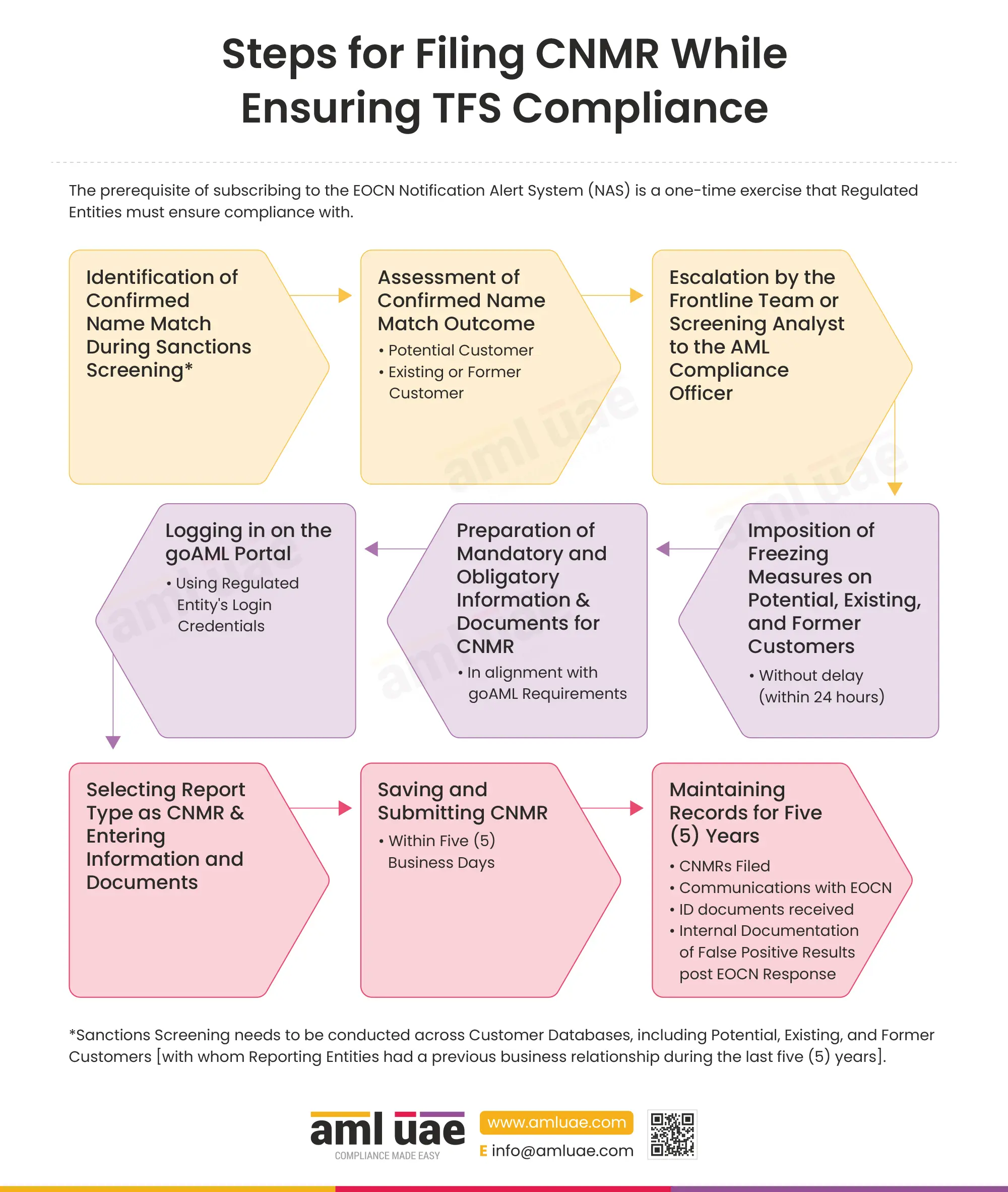
AML/CFT Remedial Action Plan (RAP) Implementation Steps and Best Practices

Remedial Action Plan

Blogs

Last Updated: 12/17/2025

Table of Contents

Protect your business with reliable and effective AML strategies with AML UAE.

AML/CFT Remedial Action Plans at a Glance

  • RAPs are corrective roadmaps used to address AML/CFT deficiencies identified by regulators or audits
  • A RAP clearly defines issues, remedial actions, ownership, timelines, and validation, ensuring accountable remediation.
  • Strong governance, monitoring, and reporting are critical to demonstrate progress, transparency, and regulatory compliance.
  • Proper RAP execution strengthens long-term AML/CFT controls.

What Is a Remedial Action Plan (RAP) in AML/CFT?

A Remedial Action Plan (RAP) is also referred to as remediation action plan, compliance remediation plan or simply a remedial plan; which is a structured corrective program used in AML/CFT framework that Regulated Entities implement when supervisory authorities identify gaps, deficiencies or breaches in their AML/CFT compliance program.

When Is an AML/CFT Remediation Action Plan Required?

An AML/CFT Remediation Action Plan is required whenever regulators or internal audits identify weaknesses, gaps, or non-compliance within an entity’s AML framework. This may occur after supervisory inspections, regulatory notices, or when institution itself detects failures in due diligence, monitoring, sanctions, screening, reporting, or governance.

Authorities may require an entity to implement a regulatory compliance remediation program when risk management controls are inadequate or when serious breaches occur. Entities may also voluntarily initiate AML remediation as a part of broader compliance remediation strategy to proactively fix issues before they escalate.

Key Components of an Effective Remedial Action Plan Template (RAP Template)

An effective Remedial Action Plan (RAP) template also referred to as a remedial plan template provides a structured format for documenting and executing corrective actions.

The key components of a remediation action plan template cover what needs to be fixed, how it will be fixed, who is responsible, the timeline for completion and how remediation will be validated.

A compliance action plan template clearly outlines identified issues, the remedial actions required, ownership and accountability, priority level, timelines, and resources needed for completion, along with validation methods and reporting status to evidence progress and closure.

A solid remedial action plan template typically includes steps related to updating policies, improving CDD/EDD processes, enhancing internal controls, rectifying reporting failures (e.g. STR delays), staff training, progress monitoring and evidence-based validation to demonstrate regulatory compliance.

AML remediation ensures the entity meets regulatory expectations, reduces ML/TF risk, and prevents penalties or supervisory actions.

Governance, Oversight, and Regulatory Reporting for RAP Execution

In the UAE, strong governance and oversight are essential for executing a Regulatory Action Plan (RAP) in line with national AML/CFT program requirements. Regulators such as the Central Bank of the UAE (CBUAE), Ministry of Economy & Tourism (MoET), Securities and Commodities Authority (SCA), Dubai Financial Services Authority (DFSA), and Financial Services Regulatory Authority (FSRA) expect entities to maintain robust RAP monitoring, and timely progress tracking.

Regular internal reviews and a formal RAP Audit process help ensure accurate AML reporting and demonstrate transparency and accountability throughout the remediation process.

AML/CFT Remedial Action Plan (RAP) Implementation Steps and Best Practices

As a part of its supervisory function, the relevant Supervisory Authority conducts investigations on the level of AML/CFT compliance of a regulated entity (Financial Institution, Designated Non-Financial Business or Profession – DNFBP, Virtual Asset Service Provider – VASP). The Supervisory Authority often issues an AML/CFT Remedial Action Plan directing the reporting entity to fill the gaps in its AML/CFT compliance framework or implementation. The Remedial Action Plan (RAP) enumerates the actions to address these identified deficiencies. It mentions the applicable provision, area of concern, and required remediation.

Some of these AML/CFT investigations carried out by the Supervisory Authority to include various aspects such as:

Entities receiving such remediation action plans from the Supervisory Authority must understand their importance. It is an opportunity for you to improve your AML Compliance Program. Such improvements can lead to the prevention or mitigation of money laundering threats. So, you must commit to following and implementing the action plans in your business.

Worried about the deficiencies in your AML compliance framework?

Talk to our team for a complete, effective, and efficient AML action plan.

Step-by-Step Procedure to Implement the Remedial Action Plan (RAP)

Once a Remedial Action Plan is issued, the next stage for the entity is to initiate the step-by-step RAP implementation, by following the requisite RAP implementation and remediation steps:

1. Review the complete remedial action plan word-by-word

The first thing that you must do is review the remedial action plan thoroughly. Read every word of RAP and try to understand. Specifically, focus on the remediation strategy suggested by the Supervisory Authority. Make a note of the submissions you need to make to the authorities.

Ask the Supervisory Authority for more guidance if you do not understand any part of it. Also, discuss with the AML compliance team and the officer if they are unclear on any topic. The senior management and AML compliance team must understand every plan aspect and discuss the execution amongst themselves.

2. Deliberate over the plan with stakeholders

The compliance team and the relevant manager must have all information on this remedial action plan. So, it would be best if you discussed it with everyone involved in AML compliance tasks. They must know the loopholes and participate in deciding the actions you need to take.

It’s equally critical to discuss the impending changes for employees. To prepare for them, employees must know what changes will come in the processes. They must also learn about their roles in executing these remedial actions and how they can contribute to better AML compliance for the entity.

3. Make a list of the tasks and set priorities

When you review and discuss the remedial action plan with stakeholders, you must list the tasks. You must assess the remedial activities to understand their importance and urgency. Now, list them per their priority.

You can define a strategy, including the tasks, resources required, and time needed. You will be clear on what to do and how long it will take. Thus, you can take a proactive approach to address the serious issues first, followed by the unimportant ones.

4. Form a team focused on the execution of the RAP

Already, you have an AML compliance team handling all the specific tasks related to AML. For RAP, make a special team focusing on implementing the recommendations. The other AML team members must pay attention to the daily AML tasks and activities.

Once you select the remedial action plan execution team members, define their roles. Allocate responsibilities to each to manage every single task mentioned in RAP. Also, ensure the appointment of a manager or auditor who will oversee the quality performance of these tasks.

5. Execute the remedial measures

Once you form the team, you are ready for the actual action. You must manage it quickly and accurately to comply with the RAP before the deadlines. So, start the execution.

Implement each of the actions as mentioned in the RAP. Monitor each action and check the quality of deliverables. Keep assessing the deliverables at every step to ensure compliance with the law and RAP.

6. Maintain enough records and documents

The RAP will need you to submit some reports or documents by a specific date. You must prepare these reports in the required format and structure. Be ready with them for submission to the Authority before the deadline date.

Also, maintain records and documents of each action you have taken per the RAP. You might be asked for them during audits or if the Authority wants to check the compliance with the Remedial Action Plan. Keep track of the deadlines mentioned by the Supervisory Authority, as compliance before that is mandatory.

7. Update the Supervisory Authority on the progress and support needed

You must stay in constant communication with the Supervisory Authority. Regular communication lets you clarify your doubts on any point mentioned in the RAP. You must also update the Authority on the actions taken and the success achieved. The Authority must know the effectiveness of the remedial measures you took. The Compliance Officer and the Senior Management must sign the RAP.

Remedial Action Plan

Best Practices to Implement Remedial Action Plan:

Implementing an AML/CFT Remedial Action Plan requires a disciplined and a structured approach. An effective compliance remediation strategy focuses on addressing gaps, strengthening control, improving documentation and building long-term AML/CFT compliance resilience.

Adopting the following remediation best practices help entities establish a robust compliance environment.

Make continuous improvements in AML processes

The remediation strategies mentioned by the Supervisory Authority are an opportunity for you to improve your AML program. You know the usual mistakes you make. Also, you know the expectations of the Authority from you.

So, revamp your AML compliance program. Include steps of constant monitoring and improvement to align with the regulatory expectations. Review the areas with gaps and improve them. Monitor the internal processes and AML controls and tweak them for higher effectiveness.

Thus, the RAP gives you a direction to follow to make your operations AML-compliant.

Conduct training and awareness programs for employees

If you want to have a smooth experience of AML compliance, it is necessary to prepare your employees. They need preparation in terms of:

  • Awareness of the importance of AML compliance
  • Training on the different tasks to achieve AML compliance
  • Change management programs to accept the changes in operations due to new regulatory requirements

You must engage in such awareness and training programs to prepare your employees for the impending changes. They must have the necessary skills and expertise to work on AML compliance processes. They must also be ready for such supervisory engagements of authorities in AML compliance assessments.

Engage in internal audits to check AML compliance

The RAP from the Authority is helpful in understanding the importance of implementing a strong AML/CFT compliance program. Since you didn’t give it a serious thought earlier or lacking in your efforts, you have to face the RAP. So, now you must take a proactive approach to reviewing your AML compliance.

For this, you must engage in regular internal audits. Such audits will reveal where you lack and what areas need improvement. You can implement the corrective actions and be fully compliant with AML regulations.

Implement relevant advanced technology solutions

Technology solutions can be a big help in making your AML compliance a reality. Explore what are the possible uses of technology in AML processes. You can use it in the following:

Use solutions for these processes to automate them, leading to more efficiency and accuracy. These systems make your compliance with AML regulations faster and easier.

Seek help from professional AML consultants

Besides all these best practices, one tip that can help you the most is seeking professional assistance. AML compliance is not an easy task. A lot is on your plate to manage and handle, so you can’t achieve AML compliance.

In such a case, the best action to take is to hire a specialist AML consultant. They give a professional touch to your AML compliance procedures. They ensure all your systems, procedures, and internal controls meet the AML requirements. With their expert help, you will not face remedial activities from the authorities.

AMLUAE – your partner for professional AML consulting services

AML UAE is a leading provider of AML consulting services to clients in different industries. Our specialised AML remediation support and RAP consultancy ensure your entity meets regulatory expectations.

Our comprehensive offerings include the following:

  • Business risk assessments
  • Execution of KYC and CDD measures
  • Transaction monitoring
  • AML training
  • Creation of AML framework customized to your business
  • Selection of AML software
  • Submission of relevant reports to authorities
  • Responding to authorities on concerns, submissions, or reviews
  • Forming an AML compliance team and appointing an AML compliance officer
  • Monitoring of AML policies, procedures, and controls
  • Audits of AML operations to suggest corrective actions
  • Legal advisory services

We can even help you implement the RAP received from the Supervisory Authority. We understand the requirements of such RAPs and their importance. We review the findings, discuss them with your management, and get down to the real action.

On receiving RAP, our services include the following:

  • RAP Review
  • AML/CFT Framework Review
  • Gap Analysis
  • RAP Implementation
  • AML/CFT Framework Strengthening
  • Continuous Monitoring & Improvement Plan Development
  • Staff Training
  • RAP Documentation Submission to the Authority

Frequently Asked Questions (FAQs) on RAP

What are remedial actions in a remediation project?

Remedial actions in the AML/CFT context mean the specific corrective measures taken to fix AML/CFT weaknesses such as updating policies, enhancing controls, conducting staff training, etc.

AML RAP is required when the regulators, auditors, or internal reviews identify compliance gaps often following inspections, enforcement actions, supervisory findings and risk-assessment.

A remedial action addresses existing deficiencies or past non-compliance, while a corrective action focuses on preventing recurrence by fixing root causes and strengthening future controls.

RAP implementation involves prioritising issues, assigning ownership/responsibilities, executing remedial actions, tracking progress, validating completion, and reporting outcomes to management and regulators.

Common remediation steps in AML/KYC program includes identifying gaps, conducting the requisite due diligence, updating customer records, revising policies, training staff, upgrading systems, and implementing ongoing monitoring to ensure compliance.

AML remediation is the process of correcting weaknesses in an AML/CFT Framework. It is important to reduce regulatory risk, prevent financial crime, avoid penalties, and maintain regulatory compliance.

A compliance remediation plan works by translating regulatory findings into actionable tasks, tracking their execution, validating effectiveness, and demonstrating closure to regulators.

In audit and compliance, RAP refers to a formal action plan developed to address audit findings, regulatory observations, or compliance breaches within defined timelines.

The RAP work plan’s key components include a clear issue description, specific remedial actions, required evidence, a validation method, and a system for tracking status, owners/responsible persons, and deadlines to ensure accountability and completion.

Typical KYC remediation actions include updating customer information, verifying beneficial ownership, obtaining missing/additional documents, reassessing customer risk, and enhanced due diligence for high-risk clients.

A remediation plan is monitored through progress trackers, internal audits, and reviews. Reporting is done via periodic updates to senior management and submissions to regulators, supported by evidence.

A RAP framework is the overall structure governing remediation, including governance, accountability, execution, validation, and regulatory reporting mechanisms.

The best practices for AML/CFT remediation include using the RAP as opportunity to strengthen AML controls, continuously monitor and improve internal processes, train employees on compliance responsibilities, conduct internal audits, leverage AML technology nd seek expert support where needed.

Scared of the consequences of AML non-compliance?

Get started with our AML compliance services now.

Share via :

About the Author

Jyoti Maheshwari

CAMS, ACA

Jyoti has over 11 years of hands-on experience in regulatory compliance, policymaking, risk management, technology consultancy, and implementation. She holds vast experience with Anti-Money Laundering rules and regulations and helps companies deploy adequate mitigation measures and comply with legal requirements. Jyoti has been instrumental in optimizing business processes, documenting business requirements, preparing FRD, BRD, and SRS, and implementing IT solutions.

Reach Out to Jyoti

AML Implications for Politically Exposed Person (PEP)

AML Implications for Politically Exposed Person (PEP)

Blogs

Last Updated: 12/10/2025

Table of Contents

Protect your business with reliable and effective AML strategies with AML UAE.

Key Takeaways on PEP Compliance

  • PEPs pose elevated ML/FT and PF risks due to their influence, access, and potential exposure to corruption or misuse of authority.
  • DNFBPs and VASPs must identify, assess and monitor PEPs through CDD, name screening, enhanced due diligence, and ongoing monitoring.
  • UAE AML laws require additional controls for PEPs, including verifying source of funds/wealth and obtaining senior management approval for onboarding or continuing the relationship.
  • A risk-based approach is essential, as not all PEPs carry the same level of risk; entities must evaluate individual circumstances, position, country risks, and associations.

Businesses operating in the UAE, particularly the Designated Non-Financial Businesses and Professions (DNFBPs) and Virtual Assets Services Providers (VASPs), may occasionally encounter customers that are classified as Politically Exposed Persons (PEPs) according to the Federal Decree Law on Anti-Money Laundering (AML). This blog provides insights into the AML compliance implications for a regulated entity when they deal with a Politically Exposed Person (PEP).

It becomes essential for businesses such as DNFBPs and VASPs to conduct Customer Due Diligence (CDD) of existing and prospective customers to identify the sanctioned individuals or entities and individuals who hold the capacity to influence their business decisions, such as allocation of funds in a certain project or may knowingly or unknowingly facilitate money laundering (ML), financing of terrorism (FT), and proliferation financing (PF) risks along-with the increased risk of corruption and bribery, such as PEPs.

The blog also covers situations where an existing low-risk customer has recently been classified as PEP and its AML compliance implications.

UAE Regulatory Framework Concerning PEPs

The UAE has implemented robust AML laws to combat financial crimes, including ML, FT, and PF. The PEP UAE regulatory framework in the UAE includes federal laws that are aligned with international standards set out by the Financial Action Task Force (FATF)

Legal Framework concerning Politically Exposed Persons (PEPs):

  • Federal Decree by Law No. (10) of 2025 Regarding Anti-Money Laundering, and Combating the Financing of Terrorism and Proliferation Financing
  • Cabinet Resolution No. (134) of 2025 (will come into effect from December 14, 2025) Concerning the Executive Regulations of Federal Decree-Law No. (10) of 2025 Concerning Combating Money Laundering, Terrorist Financing, and the Financing of the Proliferation of Weapons
  • Cabinet Decision No. (109) of 2023 On Regulating the Beneficial Owner Procedures.
  • Cabinet Decision No. 74/2020 Concerning the UAE List of Terrorists and the Implementation of UN Security Council Decisions Relating to Preventing and Countering Financing Terrorism and Leveraging Non-Proliferation of Weapons of Mass Destruction, and the Relevant Resolutions.

The AML-CFT Decision, in Article 15, imposes specific Customer Due Diligence (CDD) obligations on regulated entities with respect to Customers who are Politically Exposed Persons (PEPs), which include the Direct Family Members or Associates Known to be Close to the PEPs.

FATF Guidance on PEPs

  • The Financial Action Task Force (FATF) is the global watchdog that gives recommendations and guidance for combating ML/FT and PF risks. The FATF has issued a guidance named, Politically Exposed Persons (Recommendations 12 And 22).
  • The FATF Recommendations and guidance on recommendations 12 and 22 elaborate on steps to be taken while onboarding a customer who is a PEP or continuing a business relationship with a customer who is recently classified as PEP.

Understanding Politically Exposed Persons within AML Landscape

Navigating PEP AML compliance is a critical component for regulated entities in the UAE. Understanding who qualifies as a PEP is the first step in implementing effective controls to mitigate the associated risks of money laundering and terrorist financing

Who is categorised as a Politically Exposed Person (PEP)?

The UAE Anti-Money Laundering and Combating the Financing of Terrorism (AML/CFT) laws define a Politically Exposed Person (PEP) as a natural person assigned with prominent public functions in any Emirate in UAE or any country other than UAE.

A prominent public function does not necessarily need to be popular, but it holds considerable importance to society at large. Such a position puts a PEP in the driver’s seat where they can influence public policy, government programs, and the functioning of any business, establishing a business relationship either directly, through beneficial ownership, or through close associates or family. 

A PEP may acquire a prominent public function or position in a government or government organisation by means of an appointment, promotion through civil ranks, or majority from an election.

Identifying PEPs while carrying out AML compliance is important because PEPs are persons with political power who can exercise political influence or pressurise businesses to carry out business activities and other administrative tasks at their discretion without creating a paper trail.

It is noteworthy that not only the person with the political power but also the family, friends, and close associates are also considered high-risk customers owing to the relationship they share with the PEP. Here are broad categorisations of PEP.

Domestic PEPs

Politically Exposed Persons who have been assigned to prominent public posts in the UAE are known as domestic PEPs.

Foreign PEPs

Politically Exposed Persons who have been assigned with prominent public posts in any other foreign country are known as foreign PEPs.

Heads of International Organizations (HIOs) PEPs

Politically Exposed Persons who have been appointed with the management or any prominent function within an international organisation are known as the Heads of International Organizations (HIOs). 

Family & Friends

The direct family members of a PEP, i.e. parents, children, spouses, and spouses of children, are treated as PEPs. The regulated entities need to take a risk-based approach and consider whether the relationship between the customer and the PEP could be exploited or abused to obscure the PEP’s connection to illicit funds, as the above is not an exhaustive list.

Business Associates

People with close business relationships with PEP are also considered persons associated with PEPs; people holding joint beneficial ownership or legal arrangements with the PEP are considered with similar risk as PEP themselves. Associates who conduct transactions on behalf of the PEP are also categorised according to the degree of risk they pose. 

What are examples of Politically Exposed Persons?

Here are the examples of persons considered as Politically Exposed Persons:

  • Examples of Domestic PEPs include heads of government or state, senior government, military and judicial officials, senior executives of state-owned corporations and important political party officials holding official posts within the government.
  • Examples of Foreign PEPs include heads of government or state, senior government, military and judicial officials, senior executives of state-owned corporations and important political party officials holding official posts within the government.
  • Examples of HIOs PEPs or International Organisation PEPs include managing director, secretary, chairperson, president, and such designations in international organisations such as the World Bank and International Monetary Fund, to name a few.
  • Examples of close associates of PEPs include natural persons having joint ownership rights in a legal person or arrangement or any other close business relationship with PEP, natural persons having individual rights in a legal person or arrangement established in favour of PEP.
  • Examples of related persons include direct family members, close associates, partners, prominent members of the same political party or civil organisations as the PEP, close friends or advisors, business partners or associates, etc.

Our timely and accurate AML consulting services

For your smooth journey towards your goals

Importance of Including PEP Screening within AML Framework

There are several factors that businesses operating in the UAE need to consider in their AML risk assessment, such as the type of business, the nature, category, demographics of their customers, the country in which it operates, and the local AML regulations.

The AML framework of the DNFBPs and VASPs need to include and clearly state the steps, procedures, methods and approach when it comes to onboarding a customer who is classified as PEP or addressing customer due diligence enhancement when an existing low risk customer is newly classified as Politically Exposed Person.

Businesses must be mindful of covering the aspect in their AML framework where the UBOs of legal entity customers are identified and screened across relevant databases to find out if such UBO, or UBO’s family, friends or close associates qualify as PEP, and take necessary customer due diligence measures, derived from the risk-based approach.

It is important for businesses intending to establish business relationships with individuals or legal entities to identify the true nature of the person involved in such proposed business relations.

Businesses need to ensure that their establishment does not get abused or misused as an instrument to carry out illicit activities such as ML/FT and PF and related predicate offences.

Identification of PEPs becomes important as a prospective individual customer or beneficial owner of a legal entity might try to evade AML/CFT, anti-bribery and anti-corruption measures. The following is the list of reasons that make undertaking Politically Exposed Person (PEP) screening important:

Compliance with AML/CFT and TFS Laws

The AML/CFT and Targeted Financial Sections (TFS) regulations in the UAE require businesses such as DNFBPs and VASPs to have mitigation measures in place to curb ML/FT and PF risks to which they are exposed by their customers. They need to formulate and undertake effective policies, define processes and implement relevant measures to identify PEPs and mitigate any potential risks associated with PEPs. The identification of PEPs through screening will help DNFBPs and VASPs implement appropriate controls to mitigate risks associated with PEPs in an effective manner.

Identify and Mitigate ML/FT and PF Risks Associated with PEPs

The DNFBPs and VASPs must specify in their AML framework the PEP screening software, tool, and Application Programming Interface (APIs) used to access government, public, commercial and other forms of databases maintained by relevant organisations regarding PEPs.

The AML framework must also specify if the business is going to rely on any in-house database or information system for sharing data within the group organisations. The AML framework also needs to mention whether they are issuing a PEP declaration form (a specific customer self-declaration form), seeking information from customers themselves and whether any of them are PEP or associated with PEP in any manner.

Only when PEP identification is timely and successful can the ML/FT and PF risk mitigation measure-related workflows be triggered, such as enhanced customer due diligence by seeking sources of funds and sources of wealth from the PEP and obtaining senior management approval for establishing or continuing such a business relationship.

Reputation Management

The DNFBPs and VASPs attract tremendous reputational risk whenever establishing or continuing a business relationship with a Politically Exposed Person. The knowledge of whether their customer is a PEP enables them to take suitable and effective ML/FT and PF risk mitigation measures. If they fail to identify a PEP customer and fail to deploy necessary risk mitigation measures, then such a situation may result in their organisation being misused or abused by corrupt PEPs to carry out illicit activities such as ML/FT and PF or corruption and bribery.

Involvement of any business with crimes leads to severe reputational loss, leading to business crumbling in no time. The correct and timely identification of PEP helps DNFBPs and VASPs undertake timely risk mitigation measures and maintain reputation and trust among regulatory bodies as well as customers.

Adherence with Global Standards

The implementation and adoption of PEP identification processes that help in managing PEPs risk has been recognised as an essential element of FATF recommendations to combat ML/FT and PF risks. DNFBPs and VASPs, by including PEP screening, formulation and deployment of adequate PEP risk mitigation measures within the AML framework, showcase their adherence to the global standards for mitigation of ML/FT and PF risks from PEPs.

Maintain Autonomy of Decision-Making

There have been instances where corrupt PEPs have taken up unofficial control of businesses such as DNFBPs or VASPs through legal entities of which they are UBOs and used such business relationships to further their illicit motives by exerting their undue influence on the DNFBPs or VASPs to make decisions regarding its operations and functioning.

Businesses such as DNFBPs and VASPs are at risk of being used by corrupt PEPs to carry out their illegal tasks by exerting their influence, power, and control where the business or its board of directors loses their autonomy to decide for their own course of action. The chance of businesses being held hostage by corrupt PEPs is a risk which can be effectively mitigated by screening business relationships for Politically Exposed Person identification and taking timely PEP risk mitigation measures.

Devising PEP Risk Assessment Methodology

Once PEP identification and risk mitigation measures have been included in the AML framework, the AML framework needs to address PEP risk assessment methodology; the business needs to assess the ML/FT and PF risk posed by such a PEP on their business. For this purpose, DNFBPs and VASPs need to undertake PEP risk assessment and assign PEP risk rating according to set criteria.

PEP Risk Rating Criteria

The PEP risk rating is assigned by consideration of several factors as follows:

A. The nature of PEP’s position to influence or control decisions.

  1. The nature of PEP’s control over issues or decisions.
  2. The extent of PEP’s control over the disbursement of funds.
  3. The extent of PEP’s autonomy or independence in decision-making.
  4. The PEP’s rank or status within the government or international organisation.

B. The anti-corruption controls in place in PEP’s own country (in case of a foreign PEP).

  1. The country’s rating on transparency and corruption aspects.
  2. The level of investigations and prosecutions on the charges of high-level corruption in a country.
  3. The internal audit function within the PEP’s entity (in case PEP is a UBO of a legal entity).
  4. The asset disclosure requirements on the part of PEPs in the country or jurisdiction.

C. Other risk factors related to products, services, customers, geographies, delivery channels, and technology should be given due consideration.

D. If there are more than two PEPs involved in an entity where one of the PEPs carries high risk, then the treatment of the entity as high-risk should be considered.

Assessing PEP Risk against Risk Appetite

Risk appetite means the ability of a company to navigate and deal with the consequences of a risk, if, in any event, such a risk materialises.

Every business must formulate its ML/FT and PF risk assessment, within which the ML/FT and PF risk appetite statement must be defined. The risk appetite statement defines the degree and extent of ML/FT and PF risk that the business is willing to take in pursuit of forming business relationships and engaging in profitable transactions. To implement effective AML measures for PEP risk management and assessment, businesses need to assess and compare risks imposed by every Politically Exposed Person against its risk appetite statement.

Do all PEPs pose a risk?

Different PEPs pose different levels of risk to a business. A customised approach is needed to identify a PEP, perform a PEP risk assessment, and assign a PEP risk rating, as not all PEPs can be classified as high-risk. It depends on the regulatory requirements, the businesses’ internal AML policies, and their risk-based approach.

Businesses cannot employ a blanket approach as not all PEPs pose a high degree of ML/FT/PF, corruption and bribery risk. DNFBPs and VASPs need to develop a holistic approach which considers several factors, such as the nationality of the Politically Exposed Person, the ability of a PEP to influence business autonomy, connection to the transaction and nature of the transaction with the said PEP, and so on, prior to assigning a risk rating to a PEP.

Steps to Identify a Politically Exposed Person (PEP)

As the PEP risk assessment methodology is drafted and included in the AML framework, businesses must chart out steps through which they will identify if their existing or prospective customers are PEP. There are no strict steps defined anywhere in the regulation for identifying PEPs, but generally, PEP identification is carried out by a step-by-step methodology for effective identification of a PEP:

1. Collection of Key Identifier Details

The first step in identifying a Politically Exposed Person is ascertaining the correct name and profile of the natural person or UBO of a legal person and readying their details for carrying out a PEP screening exercise. This process includes collecting key identifier information such as name, aliases, last known address, ID or passport information, nationality, occupation, and age of the customer. This data collection is often formalised through PEP declaration as a part of the initial onboarding paperwork. This helps regulated entities assess the risk associated with customers by allowing them to understand the purpose and nature of the business relationship.

2. Entry of Key Identifier Details into Name Screening Software

The next step is to carry out a screening process against the Politically Exposed Person database. As part of this step, businesses need to subscribe to relevant lists and utilise databases that contain lists of known PEPs, their family members, and close associates. This facilitates businesses such as DNFBPs and VASPs in comparing customer information against these databases to identify any matches.

3. Running PEP Search in Name Screening Software

This step involves the name screening software running the process of comparing customer details across various databases containing names and related details of PEPs.

4. Disambiguation of Matches

After the screening, DNFBPs and VASPs need to check if the potential matches found during screening are false matches or true matches. If false matches are found, the company can onboard such a customer without conducting enhanced due diligence. If a true match is found, the appropriate enhanced due diligence measures must be carried out depending upon the steps prescribed in the DNFBPS or VASPs AML framework.  

5. Establishing if Match is a Domestic PEP or Foreign PEP

Lastly, upon ascertaining a true match, the DNFBPs or VASPs need to ascertain if the PEP is a domestic PEP or a Foreign PEP to ascertain the degree of ML/FT or PF risk posed by such a PEP and take necessary further steps.

Identifying PEPs is crucial for assessing their risks and further undertaking mitigating measures. Thus, the identifying process is an important factor in overall PEP risk assessment, aiding regulated entities in fulfilling their legal obligations and mitigating the risk of being involved in ML/FT/PF or predicate crimes or unethical practices associated with PEPs.

Our timely and accurate AML consulting services

For your smooth journey towards your goals

Implementation of AML Compliance Measures for Dealing with PEPs

Like any other ML/FT and PF risks, the UAE has also included AML provisions to deal with PEPs and their associated ML/FT and PF risks.

The following is the list of regulatory requirements that DNFBPs or VASPs need to conduct when engaging with PEPs:

Know Your Customer (KYC)

The role of PEP in AML KYC is fundamental. It is essential for DNFBPs or VASPs to identify the PEP status before establishing a business relationship or engaging in transactions with them. For this purpose, the AML-regulated framework in the UAE mandated all regulated entities to undertake KYC processes and procedures for PEPs.

Name Screening

The regulated entities must carry out name screening to identify sanction and Politically Exposed Person matches, if any. If matches are found, they need to be disambiguated with proper reasons.

Customer Risk Assessment

Identifying PEP is not enough to assess the risks associated with it, as the risks would vary for various reasons, such as depending on the nature of PEP, the country they belong to, and any prior connection with financial crimes. Therefore, UAE’s AML regulatory framework requires DNFBPs or VASPs to undertake customer risk assessment processes to assess the risks associated with each person designated as PEP.

Enhanced Due Diligence (EDD) Procedure

The regulatory framework in the UAE requires regulated entities to conduct enhanced due diligence for high-risk customers. Generally, all PEPs are recognised as high-risk due to their power to influence the government’s decision-making and spending.

However, there is a possibility that the particular nature of a specific transaction or business relationship may not actually pose any significant risk; therefore, DNFBPs or VASPs are required to adopt a risk-based approach in formulating their customer onboarding policy pertaining to PEPs and allocate adequate PEP risk rating according to the risk rating matrix applicable for their own business. In simple words, a blanket approach is not recommended, and case-to-case decisions must be made considering the risk-based approach.

Ongoing Monitoring of Business Relationships

When regulated entities decide to engage with a person recognised as PEP and have taken all necessary measures to mitigate any risks associated with them, they still need to keep an eye on such persons. Therefore, DNFBPs and VASPs must conduct ongoing monitoring of business relationships with PEPs to safeguard themselves from any probable ML/FT and PF risks associated with PEPs.

Transaction Monitoring

In addition to ongoing monitoring of business relationships, DNFBPs and VASPs also need to monitor transactions entered with PEPs. This is done to assess transactions undertaken by PEP that show any suspicion of financial crimes or have monies that might be proceeds of such illicit activities. Therefore, to combat ML/FT and PF activities related to such transactions, DNFBPs and VASPs need to monitor transactions in which PEPs deal. 

Reporting Suspicion

Regulated entities must report any activities or transactions that raise concerns over ML/FT and PF. When assessing PEP’s status or transactions, if DNFBPs and VASPs encounter any suspicious transaction or activity, they must report it to the regulatory authorities on the goAML platform.

CDD Measures for Foreign PEPs

  • Adequate and appropriate AML risk management tools and systems to find out whether any customer or Ultimate Beneficial Owner (UBO) of a legal entity or legal arrangement customer with whom the business relationship is ongoing or proposed to be established can be classified as a PEP.
  • Seek senior management approval prior to commencing a business relationship or continuing an ongoing business relationship with a PEP.
  • Seek a source of funds and source of wealth for customers and UBOs identified as PEP.
  • Insisting that the first payment for the transaction comes from the bank account help in PEP’s own name
  • Carry out enhanced ongoing monitoring of such business relationships.

CDD Measures for Domestic PEPs and PEPs who held prominent public functions in the past

An inadequate and appropriate mechanism or system is needed to identify if a customer or a  UBO can be classified as a domestic PEP or someone who used to be a PEP.

  • Adequate and appropriate measures for:
    • Seeking senior management approval prior to commencing a business relationship or continuing an ongoing business relationship with a PEP.
    • Seeking the source of funds and source of wealth of customers and UBOs identified as PEP.
    • Insisting that the first payment for the transaction comes from the bank account help in PEP’s own name.
    • Carrying out enhanced ongoing monitoring of such business relationships.

Challenges in Assessing and Managing PEP Risk

Assessing whether a customer is PEP is a crucial part of the AML framework. However, DNFBPs and VASPs may come across various challenges when assessing and managing PEP Risk.

Here’s a list of a few challenges:

1. Evolving Regulations

The legal landscape is dynamic as it keeps evolving with the introduction of new ML/FT and PF typologies, resulting in amendments and repeal of redundant laws, to be replaced by new and more effective legislation. Therefore, it is difficult for DNFBPs and VASPs to keep pace with ever evolving regulatory landscape, which ultimately results in regulatory changes concerning and governing treatment of customers classified as PEP.

2. Updates in the PEPs Status

Political power or prominent public position keeps changing hands with changes in political tides due to elections and the removal or elevation of political officials; a PEP may not always hold the same influential position as he held in the present or past. Also, a new low-risk individual can be classified as PEP.

These changes in the nature of the person from being a PEP to a non-PEP or from being a non-PEP to a PEP result in mismatch or inaccurate PEP screening results. These updates in the nature of PEPs make the whole process of identifying PEPs much more difficult.

3. Verification and Identification of Status

The identification and verification of PEPs is a challenge in itself due to the difficulties involved in collecting and verifying their identification documents. These difficulties arise as PEPs may or may not always cooperate in providing the necessary information. In addition, businesses may rely on government websites or databases containing details of PEP for identifying the PEPs. However, the same databases do not always provide sufficient details to verify the identity of PEPs, or such databases may not contain updated or latest details of the PEPs, leaving the businesses in a state of confusion and incomplete compliance as there is no sufficient data to verify the identity of the PEP for completion identification and verification requirements.

4. Resources Intensive

The inclusion of PEP identification in the AML framework requires a lot of time and resources from DNFBPs and VASPs. Some of them might not be equipped or have the resources to implement robust processes for PEP screening and risk-mitigating measures, leaving them to deal with the ML/FT and PF risks.

5. Foreign PEPs

Foreign PEPs are people who hold important public positions in foreign countries. It is difficult to identify foreign PEPs in the absence of a central database of PEPs. The regulated entities depend on their software vendors to maintain a comprehensive database of PEPs. Since there are no benchmarks set in terms of the quality of the data, it becomes difficult to ascertain whether the PEP screening results are accurate.

Regulations surrounding PEPs vary by country. Therefore, it is difficult to assess the degree of risk posed by foreign PEP on a DNFBP or VASP operating in the UAE. The DNFBPs and VASPs need to adopt a risk-based approach and onboard foreign PEP by assessing their ML/FT and PF risk  and assign appropriate risk rating on a case-by-case basis.

Our timely and accurate AML consulting services

For your smooth journey towards your goals

Best Practices for Managing PEP Risk

In order to effectively identify and assess the risks associated with PEPs, DNFBPs and VASPs in the UAE need to incorporate best practices that effectively mitigate any financial risks imposed by PEPs.

Here’s a list of best practices that regulated entities  must implement for managing PEP risks:

1. Establishing Robust Policies and Procedures

The foremost thing that DNFBPs and VASPs need to manage ML/FT and PF associated with any customer, including PEP, is establishing robust policies and procedures. The AML framework of the DNFBPs or VASPs must provide an onboarding policy for customers who are classified as PEPs and mention steps, methodologies, and workflows to be carried out for risk mitigation, such as enhanced due diligence process. The AML framework must also provide for steps to be taken to identify if an existing low-risk customer is classified as PEP and further due diligence requirements.

2. Senior Management Oversight

Decisions related to high-risk customers require oversight by senior management. In addition to this, senior management also keeps oversight when monitoring and reviewing PEP’s status. The tone at the top guides the compliance and business team in complying with the regulatory requirements.

3. Training and Awareness Programs

Screening PEPs manually or with the help of software requires skills. DNFBPs and VASPs should conduct training and awareness programs that are tailored towards enhancing the skills and abilities of staff when undertaking the name screening process for screening any recognised PEPs.

4. Monitoring and Reviewing

DNFBPs and VASPs need to continuously monitor and review the risks associated with PEPs and their activities. The regulatory framework of UAE also requires DNFBPs and VASPs to monitor and review CDD/EDD information on high-risk customers such as PEPs at regular intervals to keep a check on ML/FT and PF risk associated with them. Such measures help DNFBPs and VASPs to keep an eye on PEPs and safeguard themselves against any probable illicit activity, including corruption and bribery.

5. Utilising Name Screening Software

Screening customers to identify if any one of them is a PEP manually takes up a lot of time and also has the chance of human errors in such results. Further, there is no comprehensive list available to screen names against. Therefore, to overcome such challenges, DNFBPs and VASPs should incorporate name-screening or PEP screening software that is capable of effectively screening the PEP against various lists in minimal time with utmost efficiency. The regulated entities must evaluate the quality of the PEP database offered by the name screening software to ensure that it doesn’t miss out on positive matches.

6. Periodic review of Recognized PEP

When a DNFBPs and VASPs decides to onboard a person recognised as PEP after undertaking EDD and other measures at the initial stage, it is necessary that the DNFBPs and VASPs conduct periodic reviews of the recognised PEP in order to keep a check on their activities and transactions to ensure that PEP is not engaging in any illicit activities include ML, FT and PF. The practice of keeping a check also helps DNFBPs and VASPs to identify if any existing PEP is not a PEP anymore and shift their risk rating from high to low appropriately.

Conclusion on AML Requirements for PEPs

The prominent public function exercised by PEPs is what makes them special when it comes to an assessment of ML/FT/PF, corruption, and bribery risks associated with them. The DNFBPs and VASPs in the UAE must establish a sound AML framework that contains provisions on the procedural aspects of treating a customer accordingly if they are identified as PEP. The DNFBPs and VASPs can rely on the best practices discussed in this blog and make sure they can steer clear of challenges faced while assessing and managing PEP risks. Ultimately, DNFBPs and VASPs must rely on the concept of a risk-based approach when assigning risk rating and carrying out diligence measures when conducting business with PEPs or associates or relatives of PEPs.

Lastly, DNFBPs and VASPs must always strive to investigate deeper as to the nature of UBOs in the case of customers who are legal entities or legal arrangements. DNFBPs and VASPs must make sure that legal entities they are about to establish a business relationship with or have an existing business relationship with are not mere shell companies or shelf companies; if legal entities are shell companies, then its UBO who is PEP may be much riskier to conduct business with.

FAQs on AML Requirements for PEPs

What is PEP?

PEP is an acronym for Politically Exposed Person who is prone to engage in financial crimes like ML/FT, bribery or corruption due to their prominent position or influence.

In AML, a PEP refers to a Politically Exposed Person; someone in a high public role who poses higher risk for potential corruption, bribery, or money-laundering, requiring enhanced due diligence measures.

A PEP declaration is a self-statement given by a customer confirming whether they are a Politically Exposed Person (PEP) or related/connected to one.

A PEP Customer is an individual who hold or has held a prominent public position (e.g. heads of the state, ministers, senior bureaucrats, judges, etc.) or their immediate family members or close associates.

PEPs are susceptible to corruption due to their power to influence government spending. This gives rise to money laundering as they would then want to convert illicit money into legitimate money.

A PEP declaration form is nothing but an AML KYC check performed on a customer where the potential customer is asked to indicate if he is a Politically Exposed Person.

UAE AML Regulations require reporting entities to carry out AML KYC checks while onboarding a new customer. The reporting entities also perform PEP screening to identify if the customer is politically exposed. If the AML screening software shows a positive result for PEP screening, such customers are treated as PEPs and considered high-risk.

The AML regulatory framework in the UAE requires regulated entities to comply with mandatory requirements that include undertaking Customer Due Diligence (CDD), Customer Risk Assessment, Enhanced Due Diligence (EDD) Procedure, Ongoing Monitoring of Business Relationships, Transaction Monitoring and Reporting any Suspicion.

In order to check if a person is a Politically Exposed Person (PEP), reporting entities can resort to AML screening software. The name-screening software would screen the customer against the sanctions list and the list of PEPs. It is difficult to check for PEPs manually as no such global database is publicly available.

Politically Exposed Persons are classified as high-risk customers. However, not all PEPs are high-risk. The risks associated with PEPs should be determined considering their power to influence the government’s decision-making, spending, and business operations.

A close associate of a PEP is an individual who has close social or professional relations with a PEP.

Businesses identify PEPs through a combination of manual background checks using online and offline resources, and increasingly by using specialised AML software solutions.

Insurance companies need to ascertain if a beneficiary of a life insurance policy is a PEP or the person whose life is insured is a PEP, they must take adequate due diligence measures to mitigate risks arising out of such an insurance policy.

Banks must conduct Politically Exposed Persons (PEP) screening while onboarding a new customer or entering into a fresh transaction with an existing customer. If the name screening software shows a positive match, then the customer is treated as a PEP in Banking and EDD is performed.

The time limit for considering a person’s PEP status after they leave their position is not a fixed duration but requires ongoing evaluation. Due diligence obligations emphasize a risk-based assessment to determine if a former PEP still holds influence or senior status from their past role.

To determine the current status of PEP’s influential power, DNFBPs should consider factors like power and seniority derived by the person from their previous role.

PEPs carry higher exposure to risks such as corruption, bribery, and money laundering. Identifying them and their relatives and/or close associates helps detect misuse of political influence, prevent illicit fund flows, and meet mandatory AML compliance requirements.

Not all PEPs pose a risk to a business. Some roles are inherently high-risk, while lower-level positions my pose minimal risk. Institutions must use a risk-based approach and not a blanket approach. A customised approach is needed to identify a PEP and perform a PEP risk assessment.

  1. The PEP’s controlling power to influence highly consequential outcomes.
  2. The PEP’s authority and independence in their role or function.
  3. The PEP’s authority to control the disbursement of funds.
  4. The governance structure (Anti-corruption laws and their level of enforcement, authority of independent public auditors, etc.) in a state or organisation where the PEP is functioning.
  5. The corruption level in the state or organisation where the PEP is functioning.

FATF Recommendations 12 and 22 define PEPs as individuals entrusted with prominent public function. As such positions can be misused for corruption, bribery, or money laundering, FATF requires enhanced AML/CFT measures when dealing with PEPs.

PEPs are always natural persons or individuals, and therefore, in the case of legal entities, the Ultimate Beneficial Owners of such entities are classified as PEPs.

Our timely and accurate AML consulting services

For your smooth journey towards your goals

Add a comment

Share via :

About the Author

Jyoti Maheshwari

CAMS, ACA

Jyoti has over 11 years of hands-on experience in regulatory compliance, policymaking, risk management, technology consultancy, and implementation. She holds vast experience with Anti-Money Laundering rules and regulations and helps companies deploy adequate mitigation measures and comply with legal requirements. Jyoti has been instrumental in optimizing business processes, documenting business requirements, preparing FRD, BRD, and SRS, and implementing IT solutions.

Reach Out to Jyoti

Regulator-Ready Business Risk Assessment for VASPs in UAE

Benefits of Well-Articulated Business Risk Assessment

Blogs

Last Updated: 12/09/2025

Table of Contents

Protect your business with reliable and effective AML strategies with AML UAE.

Business Risk Assessment for VASPs: At a Glance

  • Business Risk Assessment helps VASPs identify, assess and mitigate ML/TF/PF Risks.
  • Covers key risk factors for VASPs: Customers, Geography, Transactions, Products/Services, Delivery Channels.
  • Business Risk Assessment must be aligned with the VARA Rulebook, Federal AML/CFT Laws, UAE NRA and other sectoral risk assessments.
  • VASPs must regularly update BRA to reflect new products, typologies and emerging risks.
  • A Robust BRA supports stronger controls, enhanced decision making and regulator-ready compliance.

Regulator-Ready Business Risk Assessment for VASPs in UAE

A Business Risk Assessment (BRA) is a structured analytical process for Virtual Assets Service Providers (VASPs) in UAE. It assesses the nature of VASP’s business model, customer base, products, technologies and transaction patterns with an aim to determine the impact of these factors in exposing the business to financial crime risks.

The BRA facilitates identification of the inherent risks, evaluation of the already implemented control measures, calculation of the residual risks and is based on the risk appetite of VASPs. BRA provides insights into the actual Money Laundering (ML), Terrorist Financing (TF), and Proliferation Financing (PF) risks the business is exposed to.    

Why VASPs Require a Structured BRA?

VASPs operate in an ecosystem where transactions move fast, across borders and often without traditional financial intermediaries. It offers a platform which covers anonymity in financial transactions. And it is a consensus that where anonymity lies, the chances of ML/TF/PF risks are higher.

Unlike traditional financial transactions, in VASPs, the activities happen without face-to-face interaction, and users may deposit or withdraw funds from anywhere in the world.

This creates a business environment where risks are not always visible on the surface. In order to get a comprehensive view of the ML/TF/PF threats, VASPs are required to undertake a structured BRA.    

Business Risk Assessment through risk weighing and risk scoring provides a foretelling vision into the risk areas that are more vulnerable to the chain of financial crimes.

A well-done BRA helps a VASP break down the risk factors in a systematic way instead of relying on assumptions or scattered observations.

It ensures that the VASP get a full vision to understand where its vulnerabilities lie, how its products can be misused, which controls are working and which aren’t, and how it is exposed to on-chain threats.

Without a structured BRA, VASP is essentially operating in the dark, making decisions without a clear grasp of its own risk exposure. An efficiently conducted Business Risk Assessment not only protects the business from probable financial crimes but also ensures that resources are prioritized in a better manner, specifically in areas that are weak.   

Regulatory Mandate for VASPs to Conduct BRA under AML/CFT Framework of UAE

Virtual Assets Service Providers (VASPs) in UAE are regulated and supervised by Virtual Assets Regulatory Authority (VARA). VARA issues periodic guidelines and rulebooks that VASPs are obligated to adhere.

The Virtual Assets and Related Activities Regulations 2023 recognise the Federal AML/CFT Laws (Federal Decree by Law No. (10) of 2025 Regarding Anti-Money Laundering and Combating the Financing of Terrorism and Proliferation Financing and its implementing Cabinet Decision No. (10) of 2019).

It mandates VASPs to comply with all Federal AML/CFT Laws, regulatory requirements, rules and directives with respect to VASPs’ AML/CFT obligations.

The Federal Decree by Law No. (10) of 2025 calls for a comprehensive Business Risk Assessment for VASPs to identify, assess and mitigate the ML/TF/PF within the business model.

Additionally, VARA rulebook Part III D talks about the Business Risk Assessment obligations of VASPs.

Rule III.D of VARA rulebook requires VASPs to conduct and maintain a documented and data-driven AML/CFT Business Risk Assessment in order to understand, identify and assess ML/TF risks specific to their business.

BRA must be carried out at least once every 3 months, and when there are changes in business model, products/services, customer base, technology, or new regulatory requirements. The AML/CFT policies, procedures, systems, and controls must align with the BRA, and high-risk areas must be prioritized for resource allocation.

Unsure where to start with the new AML/CFT law?

Partner with us to quickly realign your policies and procedures with the new law.

Key Risk Factors VASPs Must Consider for Effective BRA

An effective BRA starts with identifying what can expose a VASP to financial crime risks. The risk is often enveloped in the form of customers, jurisdictions, transactions, products, services and delivery channels.

Evaluating these areas helps the VASP build a realistic picture of where vulnerabilities exist. While conducting Business Risk Assessment, VASPs must consider risk factors related to these key areas.  

The following infographic depicts the key risk factors VASPs must take into consideration while performing Business-Wide Risk Assessment.

Customer Related Risk Factors

While conducting Enterprise-Wide Risk Assessment (EWRA), the VASP must assess customer profiles, behavior patterns and wallet activities. Factors such as weak KYC data, customers with cloudy sources of funds, PEPs, high-net worth individuals dealing in large volumes or showing inconsistent behavior increase vulnerability.

Assessing these risks helps VASPs understand which customer segments require additional AML/CFT controls, such as Enhanced Due Diligence (EDD)to prevent misuse of the platform.  

Geography Related Risk Factors

Another major key factor to consider while conducting Business-Wide Risk Assessment is to analyze VASP’s risk exposure through where customers and counterparties are located. Crypto flows are borderless, that makes the destination of originators and beneficiaries a major risk factor.

Hence, considering geographic risk in the BRA helps the VASPs to identify potential links to high-risk or sanctioned nations and jurisdictions associated with illicit crypto flows.

Transaction Related Risk Factors

In the Virtual Assets sector, the transactions are pseudonymous, which is a major risk factor for financial crime if controls are not deployed appropriately. Therefore, while conducting a comprehensive Business Risk Assessment, VASPs are required to consider transaction related risk factors.

This includes sudden spikes in transactions, irregular or unusual transaction patterns, bizarre amounts and frequency of transactions that have no logical explanation, source of funds or wealth that have traces to criminal activities.

Products and Services Related Risk Factors

In the Virtual Assets sector, different crypto products carry different inherent risks. These include trading platforms with high-value movement, NFT platforms with anonymized transfers or OTC desks dealing in large, off-exchange transactions.

Evaluating the risk of particular products and services that VASPs offer allows them to understand the offerings which are more vulnerable to ML/TF/PF activities. This facilitates putting additional AML/CFT controls at places that are weak.      

Delivery Channel Related Risk Factors

While developing the business risk profile, VASPs must consider delivery channel related risk factors, as how users access the VASPs affects the likelihood of abuse. For instance, online onboarding may face identity spoofing, API-based services can enable high-speed activities, and integration with third-party platforms may introduce risks that VASPs cannot fully control.

Therefore, assessing delivery channel related risks helps the VASPs to identify where additional verifications or oversight mechanisms are required.

Stay Ahead of Evolving Virtual Assets Risks

Get Expert Guidance to Ensure Your BRA Covers All VA-Specific Typologies.

Step-by-Step Guide for VASPs to Undertake Comprehensive Business Risk Assessment

VASPs often feel overwhelmed to conduct an effective BRA, especially because the Virtual Assets ecosystem moves fast and ML/TF risks evolve even faster. A structured step-by-step approach helps bring clarity to this process.

Key steps for VASPs to undertake an extensive Business Risk Assessment include

  • collecting business data, categorizing risks,
  • developing methodology for risk calculations,
  • assessing inherent risk, evaluating control measures,
  • finding residual risk,
  • conducting gap analysis of findings, documenting it, and
  • preparing the final BRA report.

The below infographic illustrates the chronological approach for VASPs to conduct efficient Enterprise-Wide Risk Assessment.  

Collecting and Mapping Business Data

The process of Business Risk Assessment (BRA) for VASPs begins with collecting all relevant information regarding the operating model through a customized questionnaire. This involves collecting structured data on customer types, regions, products, transactions and delivery channels. Further, the analysis of the National Risk Assessment and Sectoral Risk Assessment is performed to ensure thorough compliance with them.

Through mapping of this information, VASP establishes a factual basis that anchors the entire risk assessment. It ensures that every decision is grounded in how the business truly functions rather than mere assumptions.

Identifying and Categorizing Risks

Once the data mapping process is over, identifying and categorizing risks based on the gathered data takes place. VASPs disambiguate the collected data and scatter into different risk factors.

This includes categorizing possible risks such as risky customers, high-risk countries, complex products, unusual transactions, weak onboarding channel, etc.

These risks are later grouped into categories, so they are easy to analyze. In simpler terms, this step basically is to recognize “Where can things go wrong”.  

Developing a Structured Methodology for Risk Calculation

Post categorizing the risk into different risk factors, VASPs develops a structured methodology for risk calculation.

Designing a repeatable and auditable approach, defining scales and risk weightings (likelihood, impact), outlining qualitative and quantitative thresholds, specifying how to combine scores (matrix, weighted average), and setting governance rules for calibration, helps VASPs in turning a list of risks into a measurable framework.

Assessing Inherent Risks

Post determining a structured methodology for risk calculation, the inherent risk of the VASP’s business model is evaluated. Inherent risk is basically the ML/TF/PF risk that is omnipresent in the business from its inception, before applying any controls.

To assess the inherent risk, the likelihood of occurrence or materialization of identified ML/TF risk and the impact of that risk on the VASP is calculated using both quantitative and qualitative methods.      

Evaluating Mitigation Controls

Once the inherent risk of the VASP is identified, the following process is to evaluate the mitigating controls that are already present in the business.

This includes checking the efficacy of AML/CFT Policies and Procedures, KYC Processes, Screening tools, Transaction Monitoring rules, Regulatory Reporting pathways and other control measures.

Determining the Residual Risks

After evaluating the effectiveness of mitigation controls, the subsequent stage is to determine the level of residual risks. Residual risk is basically ML/TF risk that is remaining in VASP after safeguards.

Residual Risk in VASP business model is calculated through a structured methodology that is inherent risk minus the controls. This uniform approach helps VASPs to produce consistent residual ratings across risk categories.  

Conducting Gap Analysis

After assigning the residual risk score to each risk category, the following workflow is to conduct a gap analysis. Undertaking analysis of differences with reference to the risk appetite of the VASP provides a full insight into the actual weaker areas and facilitates developing a roadmap that is required to fulfill that gap.

These gaps are subjective and can differ from entity to entity, as it depends on the individual risk appetite. For VASPs, conducting a thorough gap analysis is of utmost importance as it shows the strengths and weaknesses of the business through raw approach.

Documenting Findings and Risk Scoring

Following the gap analysis, documenting the findings and ultimate risk scoring captures the full assessment in a structured record for VASPs. This documentation also includes recording risk inventory, scoring rationale, data inputs, control assessments and version history in an organized manner.

The explanation and logic for reaching the final risk scoring are required to be documented. Thorough documentation ensures transparency and reduces the chances of errors.

Preparing the Final BRA Report

The final stage of an effective Business Risk Assessment for VASPs is preparing the final BRA report. It is a consolidated report that summarizes the VASP’s risk posture, high-risk exposure areas, key vulnerabilities, and residual risk priorities, along with a thorough recommended remediation plan.

This action plan outlines resource allocation, suggests updating AML/CFT policies/procedures and provides a roadmap for effective implementation and impactful decision-making to combat the risk of ML/TF/PF activities.

Is Building a Structured Business Risk Assessment Too Cumbersome?

Get Specialized Solutions for End-to-End BRA Support.

Unlocking the Benefits of Business Risk Assessment for VASPs in UAE

The advantages of a well-articulated Business Risk Assessment show up across the entire organization. It sharpens the way business understands its risk exposure, highlights which areas need stronger controls and removes guesswork from decision-making.

Provides a Multidimensional and Balanced View of ML/TF/PF Risks

A robust Business Risk Assessment provides a comprehensive perspective on ML/TF/PF risks that a VASP is exposed to. It takes multiple dimensions into consideration, such as customer related risks, geographical risks, product/services related risks, delivery channel and transaction patterns related risks.

This multidimensional approach offered by BRA enables VASPs to make nuanced risk-based decisions regarding financial crime risk management and controls.

Facilitates the Development of an Informed and Curated ML/TF/PF Risk Appetite

A Well-defined and analyzed Business-Wide Risk Assessment (BWRA) provides VASPs a clear vision into their risk areas.

Moreover, it offers necessary data to VASPs to understand the exposure of financial crimes to their business model. That helps them to develop an informed and carefully curated ML/TF/PF risk appetite commensurate with the nature, size and risk exposure of the VASPs.  

Drives Efficient Allocation of Resources Towards ML/TF/PF Risk Management

An efficient Business Risk Assessment framework ensures that resources are deployed appropriately. It facilitates VASPs to prioritize areas that pose a high risk of ML/TF/PF activities and reduces underutilization of its resources.

By analyzing each risk area it helps VASPs to plan their risk management efforts to optimize their AML/CFT/CPF compliance.

Strengthens Competence in ML/TF/PF Risk Management

An effective BRA framework enhances the overall competency of VASPs in managing financial crime risks. With the right assessment of risk exposure, calculation of inherent risk, residual risks and evaluation of control measures, VASPs help to build a more knowledgeable and risk-aware workforce.

It supports data-driven decision making, ensuring management of financial crime risks.

Ensures Alignment with National Risk Assessment and Sectoral Risk Assessment

An efficient BRA framework ensures that a VASP aligns with the findings of the National Risk Assessment and Sectoral Risk Assessments.

By incorporating outcomes from these assessments, VASPs can enhance their understanding of ML/TF/PF risks.

Supports Long-Term Growth Through Risk-Informed Decisions

A good Business-Risk Assessment helps VASPs to understand where risks are and how to manage them.

This lets the business make smarter decisions, plan safely and grow without unexpected problems. Over time, it builds a stronger and more stable business.

Make Your Business Risk Assessment Work Harder for Your VASP

Develop Methodologies for BRA that Unlock Its Full Potential

Repeated Mistakes VASPs Made While Performing BRA

Despite clearly defined regulatory expectations, many VASPs fall into similar traps when conducting BRA. The basic mistakes often repeated by VASPs often come from rushing the process with unrealistic risk scoring, misalignment with the actual business model, absence of documentation and treating the Business Risk Assessment as a single time exercise.

These mistakes often weaken the objective of conducting Business Risk Assessment and end up introducing VASPs to regulatory penalties when expectations of regulators are not met.

The infographic below demonstrates the common mistakes replicated by VASPs while performing Business Risk Assessment.

Treating BRA as One-Time Exercise

There is a wide-spread misjudgment among VASPs that Business Risk Assessment is a single time exercise. The BRA is mistakenly treated as a static document instead of a living assessment.

This results in BRA that no longer reflects the VASP’s real ML/TF/PF exposure as the risk factors affecting it keep changing. The approach to treating Business Risk Assessment as One-time activity quickly makes it outdated.  

Not Aligning BRA with Actual Business Model

Some VASPs prepare BRA that appears good on paper; however, they lack the substance. The prepared Business Risk Assessment does not resonate with the actual business model, its products, customers, supply chains, or transaction patterns.

Inaccurate representation makes risk assessment theoretical rather than practical. A BRA that is disconnected from the core business model cannot lead to true and effective decision-making.

Ignoring On-Chain Typologies and Virtual Assets Red Flags

One of the major roadblocks for VASPs to conduct an effective Business Risk Assessment is focusing on traditional financial crime risks while ignoring the Blockchain-specific ML/TF/PF Typologies.

The nature of the Virtual Assets (VA) Sector is quite different from the basic financial or DNFBPs sector. And this uniqueness requires a unique approach, which VASPs fail to implement.

Failing to consider VA specific red flags and typologies in the BRA underestimates the real risk exposure and weakens monitoring strategies.

Weak Documentation and Lack of Supporting Evidence

A lot of VASPs lag behind in preparing regulator-ready BRA because the findings are not supported by a clear rationale, data and evidence. The assessment tends difficult to defend during audits or regulatory reviews due to illogical, scattered and undocumented assumptions.

A strong BRA requires a documented methodology, scoring explanations and consistent use of risk metrices. The failure to incorporate these practices in BRA makes it sluggish and incompetent.

Unrealistic Residual Risk Ratings

A very common mistake repeated across multiple VASPs is the inefficiency in realistically rating the residual risks.

Residual Risk is a very important aspect of an accurate Business Risk Assessment, as it paves the way for sound decision-making and gives a real idea of financial crime risk exposure to VASPs.

However, wrongly calculating it by overestimating control effectiveness or underestimating inherent risk exposure creates a false sense of security.

No Scope for Mistakes Anymore

Reign Over Basicness with Regulator-Ready Business Risk Assessment

Best Practices for VASPs to Conduct Robust BRA in Line with Regulatory Expectations

As the regulators often find Business Risk Assessment by VASPs underwhelming, here comes the savior. With the implementation of certain best practices while performing an Enterprise-Wide Risk Assessment ensures that it fulfills the regulator’s expectations.

These best practices include incorporating sector-specific risk indicators, alignment with UAE NRA and VARA, periodic updates in VA-specific typologies, leveraging AI for risk scoring, using qualitative/quantitative scoring, training employees and documenting all assumptions, data, rationale and methodologies.

Moreover, integrating the Business Risk Assessment outcomes into the internal framework and conducting quarterly reviews ensures the robustness of BRA.

The following infographic represents the best practices for VASPs to conduct BRA that are in line with the Regulatory expectations.

Incorporating Sector-Specific Risk Indicators for VASPs

For an accurate Business Risk Assessment, VASPs must include ML/TF/PF risk indicators that are specific to the Virtual Assets Sector. This includes indicators like wallet anonymity, cross-chain transfers, decentralized platforms or high-velocity trading patterns.

Embedding these VA-specific risk indicators into the BRA ensures that VASPs reflect actual threats rather than solely relying on traditional sayings.  

Aligning BRA with the UAE National Risk Assessment and VARA Regulations

VASPs must ensure that it aligns Business Risk Assessment with the results of National Risk Assessment (NRA), VARA Regulations and UAE’s Federal AML/CFT Laws. The risks and industry findings identified in UAE NRA and relevant Sectoral Risk Assessments must be considered in the VASP’s risk rating methodology.

This alignment ensures that VASP’s internal view of risk matches the country’s identified threats and regulatory expectations.

Updating Typologies and Red Flags for Virtual Assets Regularly

Since financial crime methods evolve rapidly in the crypto landscape, VASPs must continuously refresh their knowledge of typologies and red flags.

This includes staying updated on emerging schemes such as Anonymity-Enhanced Transactions, new or evolving Virtual Assets Products etc. Keeping the typology database current ensures that VASP is using the latest intelligence to judge ML/TF/PF risk exposure accurately in BRA.

Leveraging Advanced Technology for Risk Scoring and Weighing

For a robust Business Risk Assessment, VASPs must leverage advanced technology rather than solely relying on manual judgement.

VASPs should integrate help from tools such as blockchain analytics platforms, automated scoring engines, visual heatmaps and AI-based gap detection in BRA. This improves accuracy and consistency in risk scoring.

Using Qualitative and Quantitative Scoring for Balanced Assessment

VASPs must combine qualitative and quantitative scoring scales for a balanced approach in Business Risk Assessment. This includes merging numerical scoring with approximate judgment.

This blending approach in the risk scoring model prevents the BRA from becoming overly mechanical. It ensures that VASPs evaluate the ML/TF/PF risks of their business from both a data-driven and practical perspective.

Documenting All Data Sources, Assumptions and Methodologies

In order to create a structured Business Risk Assessment, VASPs must document every data source used, the assumptions behind scoring, the logic for weightings and the rationale behind the final risk rating.

These are some of the most important aspects of BRA. Such documentation strengthens governance and ensures that BRA can be defended during regulatory audits.  

Training Employees on Risk Assessment Concepts

For an effective and sound Business Risk Assessment, it is essential that VASPs must provide periodic training for their employees on risk assessment concepts.

The accuracy of BRA relies on informed people. Providing training on VA-specific typologies and scoring methodologies builds internal competency. It ensures consistent judgment across VASP and creates shared understanding of how risk decisions are made.

Incorporating BRA Outcomes into the Internal Framework of VASPs

For an effective implementation of Business Risk Assessment, it is crucial that VASPs incorporate the findings and recommendations of BRA Report into the internal framework of their organization.

This includes integrating BRA outcomes into VASP’s AML/CFT Policies and Procedures, Customer Risk Assessment, Transaction Monitoring Calibration, internal audit and other compliance monitoring plans. Allocating Resources as per the results of BRA, increases the efficiency of VASPs.

Conducting Quarterly Reviews of BRA

The best practice to make the BRA current is to conduct periodic reviews of it. VASPs must establish framework to quarterly review the BRA against any new developments, supervisory findings and emerging typologies.

Moreover, VARA expects VASPs to analyze key operational data and material changes, at least once every quarter. This ensures that BRA remains relevant and accurately reflects the risk landscape throughout the year.

Turn Your Business Risk Assessment into Regulator-Ready Backbone for Your VASPs Operations

A well-articulated Business Risk Assessment is not just a compliance requirement, but a foundation for an effective AML/CFT Program for VASPs. As Virtual Assets sector continues to evolve, regulators expect VASPs to display real understanding of their own ML/TF/PF risk exposure. An organized and regularly updated Business Risk Assessment facilitates VASPs to stay ahead of these expectations instead of reacting at the last minute.

AML UAE= Your Trusted Partner to Conduct Robust Business Risk Assessment

Let Us Take Charge of Your Compliance Journey!

Frequently Asked Questions (FAQs)

What is Business Risk Assessment for VASPs in UAE?

Business Risk Assessment is a structured review of the financial crimes risks faced by VASPs’ business model. It gives insight into risk exposure considering wide-ranging factors such as customer base, delivery channels, geographies, transaction patterns, and product/services offered.

VASPs in UAE should update their Business Risk Assessment at every quarter or occurrence of significant events as mandated and expected by the UAE’s regulatory authorities.

VASPs should evaluate customer related risks, transaction related risks, geographical risks, product/services related risks, delivery channel related risk and other relevant risks for an effective Business Risk Assessment.

To perform a Business Risk Assessment, collect mandatory business data, assess inherent risk, evaluate existing control measures, calculate residual risk with a structured methodology, prepare a report and document all the data and rationale.  

Yes, VASPs are required to align their Business Risk Assessment with the outcomes of UAE’s National Risk Assessment and FATF Guidance.

To conduct a Business Risk Assessment for a VASP, first understand the regulatory requirements and the nature of the business, gain a grasp over VA-specific typologies, then determine the risk appetite, develop a board-approved methodology and commence with the assessment with relevant business-related data.

AI facilitates VASPs to perform BRA by analyzing large customer sets, transactions and on-chain data sets more accurately. It also automates scoring and identifies anomalies that a manually conducted Business Risk Assessment may miss.   

Share via :

About the Author

Pathik Shah

FCA, CAMS, CISA, CS, DISA (ICAI), FAFP (ICAI)

Pathik is an ACAMS-certified AML consultant specialising in governance, risk, and compliance for regulated entities in the UAE. He brings over 28 years of experience, with 1,000+ hours of AML training and 200+ advisory engagements across DNFBPs, VASPs, and FIs. He supports businesses in aligning with AML/CFT requirements from the CBUAE, DFSA, MoET, MoJ, VARA, CMA, FSRA, and FATF. Known for translating complex regulations into audit-ready procedures, Pathik enables operational clarity and compliance readiness.

Reach Out to Pathik

What is a White-Collar Crime and Its Inter-Relationship with ML/TF

White-collar crime

What is a White-Collar Crime and Its Inter-Relationship with ML/TF

Last Updated: 12/08/2025

Table of Contents

Protect your business with reliable and effective AML strategies with AML UAE.

Key Highlights: White Collar Crime & ML/TF

  • White collar crime involves non-violent financial offences committed through deception or misuse of professional authority
  • Typical characteristics include deception, concealment, abuse of trust and complex financial transactions.  
  • Money Laundering often overlaps with white collar crime, especially during the placement and layering stages.
  • Key measures to combat white collar crime include strong legal and regulatory framework, internal controls, whistleblowing systems, employee awareness, and corporate governance practices.

A non-violent and financially motivated crime is termed a white-collar crime when it is executed by an employee while carrying out their responsibilities at work. This blog aims to elaborate upon the concept of white-collar crime, its characteristics, and its types. The blog also sheds light on how white-collar crime impacts not only the country where it originates but also its impact across the globe and how white-collar crime is carried out.  

In addition, the blog elaborates upon how machine learning helps counter white-collar crime, the challenges in investigating and prosecuting the same, the steps that businesses can take to combat the occurrence of white-collar crime, and how white-collar crime is closely linked to money laundering (ML) and terrorism financing (TF). 

What is a White-Collar Crime

The term ‘white collar’ refers to any person employed in an organisation who does not carry out manual labour and makes use of their intellectual capacities. 

White-collar crimes refer to crimes carried out by white-collar employees. White-collar employees may tend to misuse their ability to make decisions at work to conceal, deceive, violate trust or commit fraud related to large amounts of money upon any other company or person. 

Our timely and accurate AML consulting services

For your smooth journey towards your goals

Characteristics of a White-Collar Crime

The key characteristics of white collar crime which set them apart from traditional offences are as follows:

1. Non-Violent

White-collar crimes, by definition, are non-violent in nature. An example of this would be no violent activity being carried out in committing white-collar crimes such as insider trading. This crime takes place by misuse of unpublished pricesensitive information by any person within the business (usually a whitecollar employee in this example) to book profits or facilitate price manipulation. Here, the entire crime gets executed, generating immense profits for the criminal without the use of violence. 

2. Financially Motivated

The primary motive behind white-collar crimes is generating quick financial gains illegally. In many businesses, where the management itself is ignorant about ethical conduct and does not set the tone from the top for utmost good behaviour and ethically carrying out duties in the interest of the business. This mismanagement, coupled with frustrated employees who are morally and ethically compromised, get attracted to making quick money by disclosing confidential company information or carrying out corrupt and fraudulent activities to enrich themselves financially. 

3. Carried Out by Professionals

The nature of white-collar crime is such that it can be carried out by knowledgeable and educated professionals in their relevant sphere, as they are aware of how to misuse the loopholes in compliance within their workspace. This can be better understood with the help of an example: a white-collar employee, such as a screening analyst facilitating terrorism financing, can simply manually manipulate sanctions screening results flagging a sanctioned individual to a non-sanctioned individual, resulting in the onboarding of such a sanctioned person carrying out terrorism financing by using the business as a vehicle to move funds for terrorist end-use. 

4. Carefully Planned

The execution of white-collar crime requires the person executing it to devise steps to work around the checks and balances and plan for carrying out the intended white-collar crime. Generally, white-collar crimes are carried out by identifying loopholes and navigating checks and balances well in advance, as a lack of planning would result in the employee getting caught and questioned for misconduct. 

5. Technology-Driven

A lot of white-collar crimes these days, such as forgery, misappropriation of funds, cybercrime, personal data privacy violations, and intellectual property infringement, are carried out online or with the help of hacking into secure databases containing sensitive data or information.  

6. Concealment and Deception

Whitecollar crimes, in general, have an element of concealment and deception as a normalappearing employee facilitates the planning and execution of crime in the background. Such employees, in the guise of their routine work, look for opportunities which they can exploit to make financial gains. 

Understanding White-Collar Crime

White-collar crimes are non-violent, sophisticated crimes. Professionals in high-paying private or government jobs and big corporations engage in such crimes. These crimes are more strategic, innovative, and meticulously planned to avoid detection.  

However, the fight against these crimes is not so strong because detection is challenging and often goes unaddressed in terms of legislation. Since these crimes are non-violent and involve many complexities, misuses, and misrepresentations, uncovering these crimes and the persons committing them before they impact society is challenging. The major impact is on individuals, corporations, economies, and communities. If caught, the perpetrators will face financial penalties, jail terms, and bankrupt business.

Why is White-Collar Crime a Matter of Global Concern

The impact of white-collar crimes on – employees, customers, and society – is enormous. They lose money, assets, jobs, and mental peace. Even the countries suffer substantial economic costs, investor confidence loss, and customer trust reduction. Bankruptcies and business failures can destroy the entire country’s economy. It can also distort competition, create social unrest, weaken integrity, and aggravate inequality and poverty.  

These effects on the societies and economies sometimes spread to other jurisdictions. This is because of globalisation, which has interconnected many global financial systems. Cross-border white-collar crimes have also become frequent, affecting several countries. So, it is a matter of grave concern for global watchdogs and regulatory authorities.  

Types of White-Collar Crime

The different types of white-collar crimes include: 

Fraud

Fraud involves misrepresentation or the use of a false pretence to obtain something from someone. There are various ways to deceive someone to get their money or other valuable assets.  

Embezzlement

Embezzlement occurs when someone entrusted with funds or assets misappropriates them without the consent of the company or agency allocating the funds or assets. 

Insider trading

Insider trading refers to misusing unpublished price-sensitive information that has the potential to sway market prices to make profits out of it. 

The insiders can be directors, promoters, employees, executives of the company, or someone closely related to such people who have access to inside information. 

Bribery

Bribery involves influencing the decision or action of an individual or entity in power to get preferential treatment in exchange for gifts, payments, or valuable items. The bribe can be cash, property, services, or favours. The reason can be anything like getting a government contract or an award. 

Cybercrimes

Cybercrimes are crimes occurring using digital means, including laptops, mobile phones, computers, and the internet. Criminals use these mediums to harass someone, lure people online, or conduct fraudulent activities. These are sophisticated crimes conducted for monetary or non-monetary gains. This can be data theft, mental harassment, stealing online money, or any other crime. 

Money Laundering

Money laundering is a white-collar crime in which criminals disguise the illegal origins or sources of funds by layering them with legal transactions or integrating them into the legal financial system. Criminals hide the sources of such funds through complex transactions or a series of money movements. These activities lead to cleaning the illegitimate origins of the funds to make them appear legal. 

Tax Evasion

Tax evasion means avoiding taxes by falsifying data, hiding income, or other illegal ways. Some common tax evasion strategies include underreporting income, using shell companies to hide the beneficial owners of assets, not reporting illegal income, avoiding tax audits, altering financial statements, having offshore accounts in tax havens, and many more.  

Ponzi Schemes

It is a type of white-collar crime involving fraudulent investment schemes. The initiator of the scheme promises investment of money to generate higher profits for distribution. However, the investments of new investors are actually used as returns to pay off earlier investors. When the new investments are less than the amount to be paid off to previous investors, the scheme fails.  

Forgery

Forgery includes altering or copying legal documents or records to defraud someone. Criminals can forge currency, cheques, identity documents, artwork, wills, certificates, or contract agreements. It can be a physical forgery or electronic. Criminals use sophisticated technologies to forge or create false documents. For example, employees may create a false letter of recommendation to get a job in a company.  

Counterfeiting

Counterfeiting means imitating a genuine or authentic object. Counterfeiting aims to replace the original and earn greater value from the sale of fake products. The objects generally counterfeited are currency, identity documents, luxury goods, chemicals, spare parts, medicines, and food items. It primarily affects the trader of original products who suffers losses. Counterfeiting can also harm the lives, health, safety, and well-being of individuals, companies, or economies. 

Extortion

Extortion involves threatening a person or their family or friends to gain some money or other valuable things. The criminal might threaten the victim’s family, use force to intimidate them or use violence to harm them. The criminal gains money, property, valuable security, or a signature on a critical document from the victim. 

Environmental Crime

Environmental crime means the exploitation of natural resources or causing harm to the environment. It affects a country’s natural resources, human health, plants and animals’ lives, food chains, life expectancy, and biodiversity. These can include crimes such as improper disposal of waste, the killing of protected wild animals, illegal trading of plant species, illegal operations of destructive substances or materials, and others. Chemical pollutants released by industries and factories are a big crime, destroying environments across the globe.  

Common Methods Used in White-Collar Crime

Knowing these common methods of conducting white-collar crimes enables businesses to detect them before the crime occurs. The common ways in which white-collar crimes occur are: 

Identity Theft

Identity theft occurs when someone illegally obtains or uses an individual’s identity details without consent.

This information includes personal identification documents such as an identity, credit/debit card, bank account details, and many more. Criminals use this information to conduct any of the following: 

  • Open new accounts 
  • Obtain products and services in the victim’s name 
  • Use the victim’s existing bank accounts to conduct transactions 
  • Apply for loans 
  • Spend money on travel, tickets, property purchases, etc. 
  • Buy medicines or medical facilities, affecting health insurance coverage 
  • Commit a crime under the victim’s name, leading to legal consequences 

Accounting Data Manipulation

Another way criminals conduct white-collar crimes is by manipulating accounting data. It involves the misstatement or misrepresentation of a company’s or individual’s financial data. Companies manipulate these statements to avoid the repercussions of showing an adverse financial scenario. Some of the ways they manipulate this information are:

  • Recording fictitious revenues or adding other incomes to it 
  • Change the accounting period for a few expenses 
  • Adjusting accounting estimates and assumptions 
  • Understating liability or overstating assets 
  • Creating fake invoices 
  • Falsifying cash and bank balances. 

Market Manipulation

Manipulating the markets is another way to conduct white-collar crimes. The aim is to influence people’s behaviour in one direction so that the criminal can benefit. It means artificially affecting a financial instrument’s demand, supply, or price. It can be a currency, commodity, or share. Market manipulation can involve any of the following: 

  • Manipulating the quotes or prices of securities 
  • Spreading misleading information about a company 
  • Posting fake orders 
  • Acting on insider information not made public yet. 

Exploitation of New and Emerging Technology

Technological advancements are a benefit to any economy because they solve problems. However, the exploitation of such technologies by criminals has increased. Financial criminals know how to utilise technology to deceive businesses, regulators, or individuals to achieve some financial benefits.  

The primary ways in which fraudsters exploit emerging and new technologies for their personal gain are: 

  • Data breaches 
  • Gaining wrongful access to sensitive customer information 
  • Malicious software or hacking to steal money 
  • Hacking financial systems to get insider information  
  • Technologies make identity theft easier 
  • Cyber fraud 
  • Fake online marketplaces 
  • Using digital currencies to launder money. 

Our timely and accurate AML consulting services

For your smooth journey towards your goals

Challenges in Investigating and Prosecuting White-Collar Crime

White-collar criminals exploit technologies, manipulate data, and misuse information to conduct crimes. Their work is so sophisticated that detecting the crime is challenging. 

Cross-Border Transactions

Investigating cross-border transactions is challenging, given the jurisdictional variances and the need for cross-border collaborations. Currency fluctuations and regulatory differences make it easier to commit crimes. Prosecuting becomes even tougher due to legal differences in civil and criminal laws.  

Resource-Intensive Investigations

Having adequate compliance measures in place and implementing them to avoid the materialisation of white-collar crimes requires funding, as compliance tools such as the screening software or employee background and monitoring policy require substantial funding, which not all types of businesses can afford. Even if the funding is available, it is difficult to recruit the right skills. This gives scope for businesses being used for conducting white-collar crimes. 

Influential Perpetrators

The wrongdoers in white-collar crimes are employees, top management, or leaders of entities. In most cases, they are business and government professionals. These people have earned respect in their community. They are influential people with known credibility and trust among their professional and personal networks. So, detecting such people and understanding their criminal minds is challenging. Further, if they are guilty of having committed a white-collar crime, they use their influential network to jeopardise the investigation against them. 

Evolving Crime Typologies

Crimes worldwide are increasing day-by-day. Countries are introducing new laws, and companies are developing new technologies to restrict the execution of crimes. But criminals find loopholes and harness them for their benefit. They try new ways, identify new loopholes in laws, and harness technologies’ weak points to commit crimes. 

Difficulty in Gathering Evidence

White-collar crimes involve either the entire organisation, a few top managers, or one individual. One can identify all these only after in-depth investigations. Detecting the part where the fault lies or from where it all started is challenging. 

Machine Learning and its Application in Detecting White-Collar Crimes

Machine learning (ML) learns the data patterns and predicts future occurrences. Based on these predictions, potential red flags can be spotted and stopped before occurrence. Machine learning helps businesses  with the following: 

Anomaly Detection

Anomaly means the behaviour in contrast to the usual customer activity. ML helps spot unusual patterns, outliers, or irregularities in customer or transaction data. These irregularities point towards a potential fraud, vulnerability, or failure. Incomplete data, unexpected manual intervention, or inconsistencies in the dataset are warning signs.

These signs indicate a problem which needs further investigation. Anomaly detection helps businesses to spot suspicions in datasets in real time so that immediate action can be taken. 

Predictive Analytics

Predictive analytics in machine learning predicts future outcomes based on historical data analysis. So, while studying the old data, predictive analytics identifies patterns and trends and analyses them. It uses past learnings while analysing the new data. Based on the analysis of old data on user behaviour, ML predicts potential patterns in new data. It recognises similar trends and behaviour and flags them as suspicious. 

Automated Monitoring

Any system using ML techniques to sift through data runs on automated monitoring. It is in continuous action. It continuously monitors it. It studies the old data, identifies patterns, and applies the same learning to the new incoming data. It checks and tracks the data in real-time to identify trends and flag them for further investigation. 

Network Analysis

Network analysis means studying the relationships between factors. Businesses can identify the linkages between data points under study in machine learning and detect the following: 

  • Relationships between various people involved in the crime 
  • The pattern of relationships between them 
  • Key influencers in the group who control others 
  • The spread of unique behaviour that led to the crime 
  • The organisation and hierarchy of criminal groups 

Natural Language Processing (NLP)

Natural language processing means processing and understanding the natural language of humans. Using this feature, ML helps study, comprehend, and analyse text. Text-based data can be from emails, videos, audio, social media posts, or other sources. It helps understand the text exchanged between white-collar criminals. It sifts through all this qualitative data and detects suspicious behaviour. Whether it is phrases, keywords,  tone, or patterns, it can study them to identify suspicious behaviour. 

What is Money Laundering and Terrorist Financing

Money laundering means disguising the origin or source of illegal money and introducing it into the legal financial system. It is a financial crime committed by individuals, entities, and big criminal organisations. When an individual earns or generates illicit funds from a transaction, they layer these funds with complex transactions and integrate them with legal money. This entire process of placement, layering, and integration is called money laundering.  

Terrorist financing means funding the activities of terrorists and terrorism. This can include operational activities of terrorism, terrorist attacks, travel, and lives of terrorists, or buying weapons. Any activity that provides financial support to terrorist organisations to carry out their terrorist acts is terrorist financing. The process of terrorism financing is carried out by collecting funding either legally or illegally, followed by making provisions to store or park such funds until they can be moved safely for further use without raising suspicion. 

The Inter-Relationship between White-Collar Crime and Money Laundering and Terrorist Financing

Generally, it’s the greed of some individuals or entities that leads to white-collar crimes. These criminals are already in a position of power and prestige and command respect for it. But they want a commercial or personal advantage, more money, or avoid losing their assets.  

White-collar crimes involve manipulating data or markets, misusing identities, or exploiting technology. Using these techniques, white-collar criminals can deceive the legal and regulatory authorities and people. Now, hiding this illegal money or disguising illegal funds and reintroducing it into the financial system as legitimate gains or income is possible with money laundering.  

Criminals hide the illegal money or assets gained from such white-collar crimes by taking the money far from their origins. The aim is to confuse the investigators who want to trace the money or assets. So, criminals either layer them with several transactions or integrate them with the legal financial system. This is how white-collar crimes, in a way, facilitate money laundering.  

White-collar criminals might also use money from such crimes to fund terrorist activities. If they have more dangerous aims, they will transfer the money to terrorist organisations. In doing this, they use false identities to save their name from all crimes.  

To distance themselves from illicit sources of income or gains, white-collar criminals resort to: 

  • Hiding the source or destination of funds 
  • Creating layers of transactions to conceal them 
  • Using the illicit layered money for a legal transaction 

This is how white-collar crimes are interrelated with ML/TF. Not only this, the financial gains from white-collar crimes are also used in drug trafficking, arms dealing, and other transnational criminal activities. So, they create a maze of unlawful and unethical activities to hide their face and name. 

Measures to Combat White-Collar Crimes, ML, TF

Businesses need to find a weak link in interrelationships between these white-collar crimes to catch them and implement the following measures to prevent these crimes by having in place: 

Strong Legal and Regulatory Framework

In cognisance of the white-collar crimes in the country, UAE has taken strong steps to fight them and reduce their impact. The UAE Penal Code, the Federal Decree Law on AML/CFT and TFS Compliance are measures taken by the government to identify and take action in the event of any white-collar crime and have in place measures to report suspicious activity to the goAML portal by filing a Suspicious Activity Report. 

Also, laws governing the protection of whistleblowers contribute to quick detection of potential white-collar crime. 

Enhanced Supervision and Oversight

Businesses must strive to improve the supervision and oversight of their anti-crime measures. This will enable the business to know the status of each procedure, internal control, and technique applied against these white-collar crimes and gauge the following with such supervision: 

  • Positive points of its anti-financial crime measures 
  • Gaps, weaknesses, and areas of concern 
  • Ways to fill these gaps and solutions for them 
  • Whether these measures facilitate compliance with regulations 
  • Reporting the compliance status to authorities 
  • Any non-compliance penalties or legal proceedings against  the business 

Corporate Governance

The senior management in a company must set the tone at the top. Once that is taken care of, it is possible to design and implement effective measures against these crimes. Businesses must have a strong board of directors and top management who define the plan, accountability, and responsibilities.  

Other corporate governance practices that help in preventing these white-collar crimes are: 

  • Defining clear roles and responsibilities to facilitate faster crime prevention initiatives. 
  • Defining a code of conduct, including acceptable and unacceptable behaviours, to create an ethical environment in the entity. 
  • Ongoing training to employees and other stakeholders on crime prevention, compliance, and ethical behaviour. 
  • Defining data permissions and accessibility to prevent data theft or misuse by internal people. 
  • A reporting structure to keep everyone in the entity aware of the entity’s financial health and any potential crime threats. 
  • Auditing by internal and external parties to ensure accuracy and completeness of the anti-crime measures.  

Enhanced Compliance

UAE has specific laws against money laundering, terrorism financing, proliferation financing, fraud, embezzlement, cybercrimes, and many more. These laws mention the mandatory requirements needed to be followed to prevent white-collar crimes by enabling businesses to: 

  • Identify and analyse the risks to the business from these crimes 
  • Implement policies, procedures, and internal controls to fight these crimes 
  • Train employees on these procedures 
  • Conduct processes to know your customers and their transactions better 
  • Appoint relevant officers and team to handle the compliance requirements 
  • Perform audits of all these systems, technologies, and procedures to improve 

Performing all these activities leads to compliance with these regulations.  

Technological Solutions

Technology is a sure-shot solution to white-collar crimes. Advanced technologies like artificial intelligence, machine learning, data analytics, and others can help detect suspicious activities. They can identify potential warning signs in customers’ behaviour and transactions.  

These technological solutions help mitigate crimes besides prevention. Technological systems help in conducting audits, monitoring, and investigations of measures against financial crimes.  

Training and Awareness

It is difficult to achieve success in anti-crime measures without knowledge. Businesses must conduct employee training on the above aspects to make them aware and diligent in their approach. Building a positive, anti-crime culture in any business is crucial so that no employee resorts to white-collar crimes. Such culture also ensures that employees report or discourage others from committing white-collar crimes.  Having a legally compliant and ethical culture is an excellent anti-crime measure.  

Collaborative Approach

Collaboration and coordination with regulators, peers, and industry-specific associations is an effective step against these crimes. Such collaboration helps businesses by: 

  • Understanding the challenges and finding their solutions 
  • Learning about the best practices peers have implemented 
  • Detecting the new emerging risks and white-collar crime tactics 
  • Improving record-keeping and reporting procedures by consulting with regulators. 

Harmonisation of Laws

By coordinating with authorities of the free zones and federal, regional, and international jurisdictions, businesses can create consistent anti-financial crime/AML frameworks and internal guidelines. Harmonised laws make compliance easier and faster. Also, it reduces criminals’ opportunities to exploit jurisdictional differences in laws.  

Whistleblower Protection

One vital activity that can help businesses uncover white-collar crimes or criminals is whistleblowers. They are people from inside the organisation who report suspicious activities or operations. However, one factor that discourages them from such reporting is personal risks. If businesses do not keep them anonymous, criminals or their associates can harm whistleblowers or their families’ lives or jobs.  

Whistleblower protection programs are essential to encourage employees to report their suspicions.  They must feel safe and secure to report such crimes. Businesses must create policies to protect their anonymity and keep their information confidential. With a guarantee of a safe environment, whistleblowers will be active in detecting suspicions and reporting them on time.  

Media and Civil Society Participation

This is also a measure not in the hands of entities but other associations and society. Regulatory authorities must run campaigns to increase the awareness of white-collar crimes and the significance of measures against them. They must impart training on ethics, fraud prevention strategies, and corporate governance to improve the workforce’s integrity. Besides, the following can help: 

  • Media must write articles on such crimes and measures businesses implement against them.  
  • The supervisory authorities must keep a check on businesses in their industry to ensure the implementation of anti-crime measures.  
  • Civil society must provide platforms for whistleblowers to voice their concerns and protect them.  
  • The media can create anonymous reporting channels so whistleblowers feel safe and secure to report. 
  • Media and civil society can create public pressure and lobby for stronger laws against white-collar crimes.  
  • They can facilitate collaboration between different stakeholders and the community to devise a plan against crimes.  

Frequently Asked Questions (FAQs)

What is white collar crime?

White-collar crime includes non-violent, financially driven acts such as fraud, embezzlement, insider trading, and money laundering committed by professionals or corporate entities.

They generally involve deception, breach of trust, complex financial manipulation and non-violent conduct carried out for financial benefit.

Yes. Money laundering is a white-collar crime because it involves financial deception, concealment of illicit funds, and non-violent methods to make illegal money appear legitimate.

Examples include fraud, embezzlement, insider trading, forgery, bribery, and money laundering; all of which are non-violent crimes committed for financial gain.

Companies can prevent white-collar crime through strong internal controls, KYC/AML compliance, employee screening, transaction monitoring, whistleblower protections, and regular audits.

People commit white-collar crimes primarily for financial gain, exploiting access, authority, and weak controls to benefit personally or professionally.

Yes. Identity theft is considered a white-collar crime because it involves deception, misuse of personal information, and financial manipulation without violence.

White-collar crimes often go unreported because organisations fear reputational damage, financial loss, or legal scrutiny. Many cases also remain unnoticed due to complex fraud schemes, lack of internal controls, and hesitation by employees to report wrongdoing.

Protect your business, employees, and customers from white-collar crimes.

Consult with our experienced team at AMLUAE for expert consulting services.

Share via :

Add a comment

About the Author

Pathik Shah

FCA, CAMS, CISA, CS, DISA (ICAI), FAFP (ICAI)

Pathik is an ACAMS-certified AML consultant specialising in governance, risk, and compliance for regulated entities in the UAE. He brings over 28 years of experience, with 1,000+ hours of AML training and 200+ advisory engagements across DNFBPs, VASPs, and FIs. He supports businesses in aligning with AML/CFT requirements from the CBUAE, DFSA, MoET, MoJ, VARA, CMA, FSRA, and FATF. Known for translating complex regulations into audit-ready procedures, Pathik enables operational clarity and compliance readiness.

Reach Out to Pathik
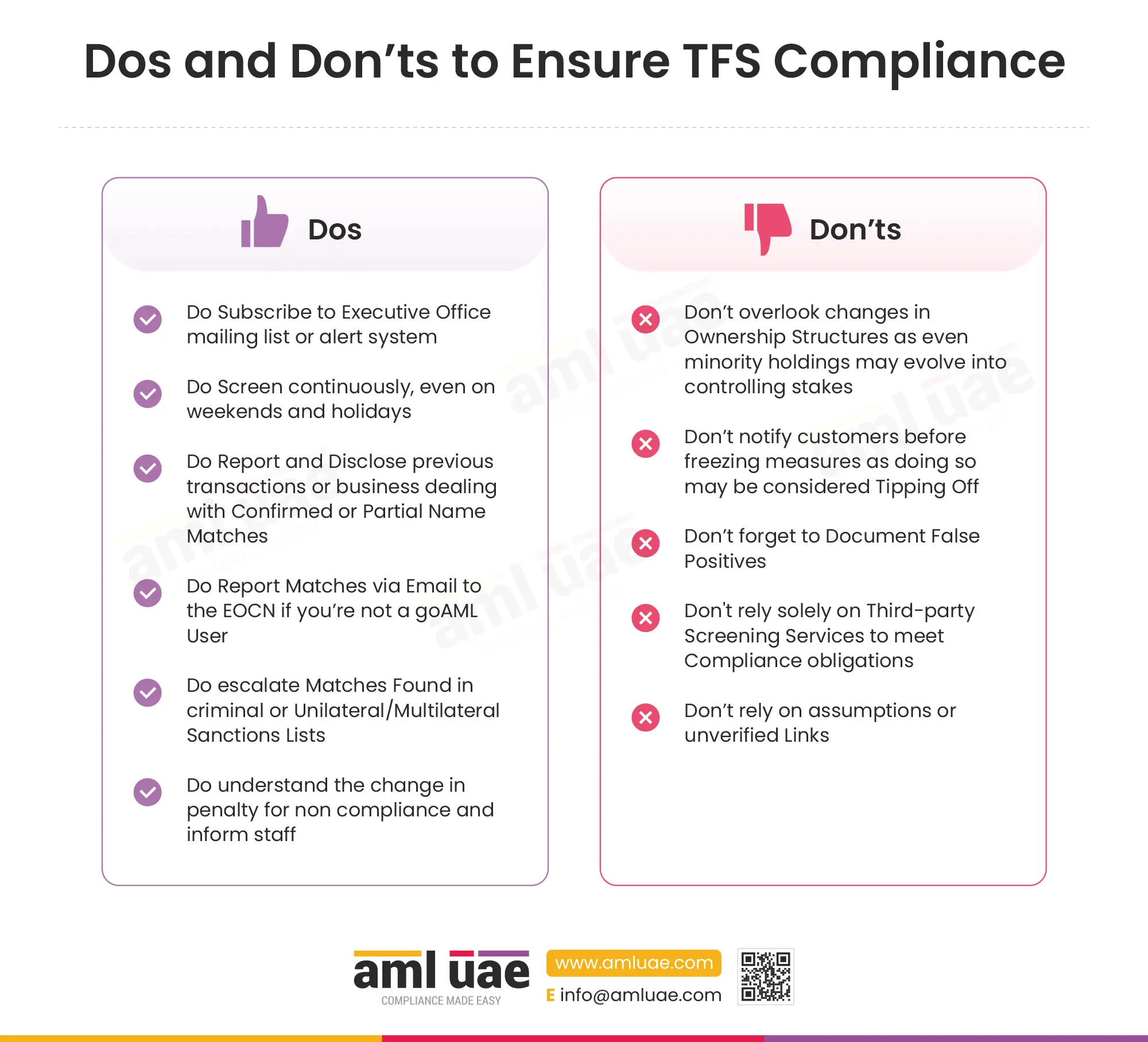
The New UAE AML/CFT Law – Federal Decree Law No. 10 of 2025 Explained

Key Changes in the New UAE AML Law 2025 and Its Impact on Businesses

Blogs

Last Updated: 12/03/2025

Table of Contents

Protect your business with reliable and effective AML strategies with AML UAE.

Key Highlights of Core Changes in the New AML/CFT Law 10 of 2025

  • The New UAE AML/CFT Law, i.e. Federal Decree Law No. 10 of 2025, replaces the old AML Law of 2018, introducing stronger enforcement powers, higher penalties, and new criminal categories, such as Proliferation Financing. It came into force on 14 October 2025.
  • Executive Regulations: Cabinet Resolution No. 134 of 2025 (in force from 14 December 2025)
  • Virtual Assets & VASPs are now directly regulated, with strict licensing and reporting, with added checks on cryptographic technologies.
  • Beneficial Ownership, STR filing, sanctions compliance, and risk assessments face significantly higher scrutiny, backed by extended FIU freezing powers.
  • Businesses must upgrade systems, governance, and internal controls immediately to avoid fines up to AED 100 million and potential dissolution.

The New UAE AML/CFT Law: Federal Decree Law No. 10 of 2025 Explained

The UAE’s financial regulatory landscape has entered a new era. The Federal Decree Law No. 10 of 2025, effective from October 14, 2025, marks the most significant overhaul of the country’s Anti-Money Laundering (AML) and Combating Financing of Terrorism (CFT) framework. This new legislation repeals and replaces Federal Law No. 20 of 2018, arriving almost a year after amendments were made through Federal Decree-Law No. 7 of 2024.

The 2025 law doesn’t merely update the 2018 law; it transforms how businesses must operate across the Emirates. While the New AML Law is now in force, the existing Executive Regulations, Resolutions, and Circulars remain applicable until updated Regulations, Resolutions, and Circulars are issued. Accordingly, Cabinet Resolution No. 10 of 2019 will be repealed by Cabinet Resolution No. (134) of 2025 Concerning the Executive Regulations of Federal Decree-Law No. (10) of 2025 Concerning Combating Money Laundering, Terrorist Financing, and the Financing of the Proliferation of Weapons with effect from 14th December 2025.

This means businesses must apply current rules while preparing systems and governance to meet the requirements of the new framework.

What is Federal Decree Law No. 10 of 2025?

In a decisive move to strengthen its position as a trusted global financial hub, the UAE has introduced Federal Decree Law No. 10 of 2025 Regarding Anti-Money Laundering, and Combating the Financing of Terrorism and Proliferation Financing. The law goes far beyond cosmetic updates.

It introduces new criminal offences, expanding enforcement powers, and imposing penalties that can reach AED 100 million for corporate violations. From the introduction of Proliferation Financing as a distinct crime to explicit regulation of Virtual Assets (VAs) and cryptocurrency transactions, the 2025 law addresses emerging threats in an increasingly digital and interconnected world.

Any business entity handling customer transactions or providing designated services must now meet far more rigorous regulatory obligations. For businesses operating across the Emirates, understanding these changes is essential for maintaining compliance and operational continuity.

This article provides a comprehensive analysis of the Federal Decree Law No. 10 of 2025 Regarding Anti-Money Laundering and Combating the Financing of Terrorism and Proliferation Financing. It shares insights into key changes, examines implications for different stakeholder groups, outlines practical compliance steps, identifies implementation challenges, and offers best practices for navigating this new regulatory environment. For further reading, check a guide to Anti-Money Laundering Laws in the UAE.

Unsure where to start with the new AML/CFT law?

Partner with us to quickly realign your policies and procedures with the new law.

Who are the Stakeholders Under the New UAE AML/CFT Law 2025?

The Federal Decree By Law No. 10 of 2025 casts a wide net across the UAE’s business landscape. It provides a clear overview of all stakeholder groups covered under the 2025 Law.

Understanding whether an entity falls under these regulations is crucial for compliance. The law applies to:

Each category carries specific obligations and faces substantial penalties for non-compliance.

Too busy running the business to decode AML/CFT reforms?

Let AML UAE handle the technical details while you focus on clients and growth.

Key changes introduced by Federal Decree Law 10 of 2025

The Federal Decree By Law No. 10 of 2025 introduces substantial reforms across multiple dimensions of AML/CFT/CPF enforcement. While some provisions build upon the earlier Federal Decree Law No. 20 of 2018 framework, others represent entirely new territory for UAE businesses.

The following key changes, comprising Proliferation Financing, Direct Regulation of Virtual Assets, Increased Penalties, Extended Freezing Powers, Stricter Beneficial Ownership Requirements, Two-Tier Supervisory Framework, and No Statute of Limitations, constitute the most significant shifts that stakeholders must understand and address

Proliferation Financing

The most notable addition to the 2025 law is the introduction of ‘Proliferation Financing’ as a distinct criminal offence. This category did not exist in the 2018 legislation and reflects growing international concerns about weapons of mass destruction.

What It Means: This provision criminalises providing funds for weapons of mass destruction, including nuclear, biological, chemical, or radiological weapons.

Penalties: Temporary imprisonment and fines ranging from AED 1 million to AED 10 million, or twice the value of Criminal Property, whichever is greater.

Impact on Business: Businesses involved in international trade, technology transfers, or dual-use goods (civil and military use goods) require enhanced AML/CFT controls to ensure compliance with proliferation financing restrictions.

Direct Regulation of Virtual Assets

Cryptocurrency and digital assets, which were not addressed under the 2018 law, now receive comprehensive and explicit treatment throughout the 2025 legislation. This change addresses the rapid growth of the crypto economy in the UAE.

What Changed:

  • Virtual Asset Service Providers (VASPs) are now defined as Regulated Entities
  • VASPs are explicitly subject to Suspicious Transaction Reporting (STR) requirements
  • Penalties apply to the use of technologies, accounts, or virtual assets that obscure the Source of Funds or the identity of the Beneficial Owner.
  • Virtual assets that enable total anonymity or obstruct tracing are expressly restricted.

Penalties: Promoting or dealing in totally anonymous virtual assets carries a minimum 3 months imprisonment and a fine not less than AED 50,000 , or either of these two penalties.

Impact on Business: Crypto exchanges, blockchain service providers, and any allied businesses accepting cryptocurrency payments must now implement the same rigorous AML/CFT compliance as imposed on other Regulated Entities

Increased Penalties

While the 2018 law imposed significant penalties, the 2025 version raises the stakes, particularly for corporate entities. The potential financial exposure for violations has multiplied several times over.

What Changed:

  • Money Laundering (Individuals):
    • 2018 Law: Up to 10 years imprisonment + fines up to AED 5 million
    • 2025 Law: 1-10 years imprisonment + fines up to AED 5 million OR value of Criminal Property (whichever is greater)
  • Money Laundering with Aggravated Circumstances:

Money Laundering committed under Aggravating circumstances includes: exploiting position authority, committing through NPOs or organised crime groups, certain serious predicate offences, or recidivism.

2025 Law: Temporary imprisonment + fines AED 1-10 million OR twice the criminal property value (whichever is greater)

  • Legal Entities:
    • 2018 Law: Fines AED 500,000 to AED 50 million
    • 2025 Law: Fines AED 5 million to AED 100 million OR Criminal Property value (whichever is greater)

Impact on Business: A single violation can now cost companies up to AED 100 million, representing a doubling of maximum penalties and creating substantially higher financial risk exposure.

Offence Category

2018 Law (Federal Decree-Law No. 20 of 2018)

2025 Law (Federal Decree-Law No. 10 of 2025)

Analysis

Proliferation Financing (PF)

Not explicitly defined or penalised.

Punishable by temporary imprisonment and a fine between AED 1,000,000–10,000,000, or twice the value of the Criminal Property, whichever is greater.

PF is recognised as a distinct crime with severe penalties, aligning UAE law with FATF standards and addressing Weapons of Mass Destruction (WMD)-related financial risks.

Financing of Terrorism (Individuals)

Life imprisonment or temporary imprisonment (≥  10 years) and a fine between AED 300,000–10,000,000.

Life imprisonment or temporary imprisonment (≥10 years) and a fine between AED 1,000,000–10,000,000, or twice the value of the Criminal Property.

The minimum fine increased more than threefold (from AED 300,000 to AED 1,000,000); it introduces asset-value-based fines, strengthening deterrence and recovery of illicit gains.

Dealing in Anonymous Virtual Assets

Not addressed.

Imprisonment (≥3 months) and/or fine ≥AED 50,000 for promoting, offering, or dealing in completely anonymous virtual assets.

A new and explicit penalty targeting untraceable Virtual Assets, highlighting the 2025 law’s digital-risk focus.

Unlicensed Activities (VASPs / DNFBPs)

Generic penalty of AED 10,000–100,000 for violations.

Imprisonment and/or fine between AED 200,000–10,000,000 or either penalty, for (violating Article 20) engaging in financial/VASP/DNBFP activities without a license.

The 2025 Law introduces a specific and severe penalty for operating without a valid license or registration, reinforcing regulatory control over fintech and VASPs.

Tip-Off / Warning (Breach of Confidentiality)

Imprisonment (≥6 months) and/or fine AED 100,000–500,000.

Imprisonment and/or fine ≥AED 50,000.

The 2025 Law removes the minimum imprisonment period (of 6 months) but maintains the ability to impose imprisonment and a fine while retaining strict confidentiality obligations.

Failure to Report / Gross Negligence

Imprisonment and a fine of AED 100,000 to AED 1,000,000, or either.

Punishment by imprisonment and a fine of not less than AED 100,000 and not exceeding AED 1,000,000, or by either of these two penalties.

The range remains the same, but the 2025 Law rephrases the minimum penalty to state “not less than” AED 100,000.

Violating Targeted Financial Sanctions (TFS) Instructions

Imprisonment or fine AED 50,000–5,000,000  applied to anyone who violates instructions issued by the Relevant Authority for the implementation of UN Security Council directives.

Imprisonment and/or fine ≥AED 20,000, for violating instructions issued by the Executive Office or other Competent Authority related to Targeted Financial Sanctions.

While the 2018 law addressed UN sanctions compliance, the 2025 Law sets a new minimum fine of AED 20,000 for violations against the Executive Office’s sanctions instructions, reflecting the new structure.

Administrative Fines (Supervisory Authorities)

Fine of AED 50,000–5,000,000 per violation.

Fine of AED 10,000–5,000,000 per violation.

The minimum administrative fine is drastically reduced (from AED 50,000 to AED 10,000).

Extended Freezing Powers

Enforcement authorities have gained considerably more time and flexibility to freeze suspicious funds and suspend transactions. These expanded powers enable faster action against potential Money Laundering activities while investigations proceed.

What Changed:

  • Transaction Suspension: The Financial Intelligence Unit (FIU) can suspend suspicious transactions for up to 10 working days without court approval.
  • Fund Freezing: The FIU can freeze funds for up to 30 days (increased from 7 days under the 2018 law), with extension provisions available through the Attorney General.
  • Enhanced Authority: Public Prosecution can directly access accounts, computer systems, and communications without prior notice to account holders.

Impact on Business: Businesses face potential 30-day account freezes that could disrupt operations, affect cash flow, and prevent payment of suppliers or employees during investigation periods.

Stricter Beneficial Ownership Requirements

Under the 2025 law, greater emphasis is placed on establishing Beneficial Ownership across corporate and legal arrangements.

What Changed:

  • More detailed and specific definitions of Beneficial Ownership
  • Enhanced obligations requirements for legal arrangements and trusts
  • Specific obligations imposed on nominee directors and shareholders

Penalties: Providing false Beneficial Ownership information now carries imprisonment plus fines starting at AED 20,000.

Impact on Business: Businesses must maintain Beneficial Ownership records, verify ownership chains at multiple levels, and update information regularly as structures change. This may involve additional documentation during customer onboarding to ensure transparency.

Disclosure Requirements for Cash, Precious Metals/Stones, Negotiable Instruments

The Federal Decree Law No. 10 of 2025 introduces cash, precious metals/stones, and negotiable instruments disclosure requirements for individuals entering or departing from the UAE in accordance with the disclosure system issued by the Federal Authority for Identity, Citizenship, Customs, and Port Security in coordination with the Central Bank.

 Impact on Business: Businesses must ensure that adequate disclosure is made when their staff carry cash, precious metals/stones, and negotiable instruments while entering or departing from the UAE. The AML/CFT policy and procedures must be amended to reflect this mandatory requirement as the UAE Customs Declaration Form.

Two-Tier Supervisory Framework

The 2025 law restructures how Anti-Money Laundering efforts are coordinated and supervised at the national level. The creation of the following dual oversight bodies reflects a more sophisticated approach to governance and enforcement.

  • Supreme Committee: It provides high-level strategy and supervision, affiliated with the Presidential Court, and is responsible for monitoring the National Strategy
  • National Committee: It handles operational coordination and implementation, chaired by the Central Bank Governor.

Impact on Business: More frequent inspections, higher regulatory expectations, dual reporting lines to both strategic and operational oversight bodies, and increased administrative penalty exposure.

Strengthened International Cooperation

The 2025 law enhances cross-border information sharing and mutual legal assistance, introducing streamlined mechanisms that improve coordination with foreign authorities and reduce barriers to international investigations.

Key Changes:

  • Automatic information exchange with counterpart authorities in other jurisdictions
  • Priority handling requirements for international cooperation requests simplified mutual legal assistance procedures
  • Foreign confiscation orders are executable without separate national investigations
  • Tax matters no longer constitute grounds for refusing cooperation requests

Impact on Business: Transactions face greater scrutiny from multiple jurisdictions simultaneously. Moreover, information held by UAE entities can be shared more easily with foreign authorities, and cross-border operations require an understanding of multiple jurisdictions’ AML requirements.

No Statute of Limitations (Continued from 2018)

While not a new provision, the continuation of unlimited prosecution timeframes remains one of the most significant features of UAE’s AML framework. The 2025 law adds Proliferation Financing to the list of crimes with no statute of limitations, whereas the 2018 law only covered Money Laundering and Terrorism Financing.

What It Means: Criminal proceedings for Money Laundering, Terrorism Financing, and Proliferation Financing can be initiated at any time, regardless of how many years have passed since the offence occurred.

Impact on Business: Past violations can be prosecuted indefinitely, creating permanent legal risk. Businesses must maintain compliance records for extended periods, as past transactions remain subject to investigation and prosecution decades later.

Make the New UAE AML 2025 Law Your Competitive Advantage.

Strengthen Your compliance journey with AML UAE by Your side.

Comparative Chart of Changes in Federal Decree Law No. (10) of 2025

To put these developments and key changes into perspective, the following table highlights how core provisions have evolved from Federal Decree Law No. (20) of 2018 to Federal Decree Law No. (10) of 2025. Many of these refinements aim to streamline compliance obligations and enhance alignment with international standards. This comparison helps identify areas where institutions may need to recalibrate their internal processes.

Feature

2018 Law (Federal Decree Law No. 20 of 2018)

2025 Law (Federal Decree Law No. 10 of 2025)

Analysis

Primary Scope 

Focuses on ML, TF, and Financing of Illegal Organisations.

Focuses on ML, TF, and Proliferation Financing (PF).

The 2025 Law introduces PF as a distinct crime and removes the specific term “Financing of Illegal Organisations” (which was present in the 2018 Law).

Definitions and Coverage

Includes definitions for ML, TF and Illegal Organisations.

Introduces detailed definitions for Proliferation, Weapons of Mass Destruction (WMD), and Virtual Assets, alongside expanded definitions for ML/TF.

The 2025 Law incorporates modern financial crime concerns, explicitly covering PF and transactions involving Virtual Assets.

Treatment of Virtual Assets

No reference to Virtual Assets (VA) or Service Providers.

Explicitly addresses VA, including their use in ML & TF. It also defines and regulates Virtual Asset Service Providers (VASPs).

It modernises the AML scope to include digital currencies and crypto-related activities.

Financial Intelligence Unit (FIU)

 The FIU is established within the Central Bank of the UAE (CBUAE), chaired by the Governor.

It retains CBUAE structure but affirms FIU’s independence. Now, the FIU is established as an independent unit within the Central Bank (CBUAE).

It emphasises institutional autonomy and operational independence of the FIU.

National Coordination Framework

It established the National Committee,  chaired by the CBUAE Governor.

It introduces a two-tier structure: a Supreme Committee for the Supervision of the National Strategy for AML, CFT, PF (affiliated with the Presidential Court) and a National Committee, chaired by the Governor

The 2025 Law creates a two-tiered oversight structure, placing strategic supervision under the Supreme Committee while maintaining the National Committee for policy implementation.

FIU Freezing Authority

The Governor or their delegate may freeze suspicious funds up to 7 working daysrenewable by the Public Prosecutor.

The FIU Chief may suspend transactions up to 10 days or freeze funds for 30 days.

It extends FIU’s power and timeframe, allowing faster, independent intervention.

Money Laundering Penalties (Individuals)

Imprisonment not exceeding 10 years and a fine of AED 100,000 to AED 5,000,000, or either penalty;

Aggravated penalty (temporary imprisonment and fine of AED 300,000 to AED 10,000,000) for specific circumstances.

Imprisonment for a term of not less than 1 year and not exceeding 10 years, together with a fine of AED 100,000 to AED 5,000,000, or equivalent Criminal Property value. Aggravated penalty (temporary imprisonment and fine of AED 1,000,000 to AED 10,000,000).

The 2025 Law clarifies the minimum imprisonment term (not less than 1 year) and increases the minimum fine for aggravated offences (from AED 300,000 to AED 1,000,000).

Penalties for Legal Persons

Liquidate and close the office, and a fine of AED 500k –50 M.

Fine AED 5M –100M  or equivalent Criminal property value.

The maximum fine for a Legal Person conviction is doubled (from AED 50 million to AED 100 million) in the 2025 Law, and the minimum fine is significantly increased (from AED 500,000 to AED 5,000,000), reinforcing corporate liability.

Legal Person Conviction for CFT/PF

If convicted of terrorism financing, the Court shall order liquidation and closure of the office premises.

If convicted of Financing of Terrorism or Proliferation Financing, the Court shall order dissolution and closure.

The mandatory dissolution and closure provision now includes PF Convictions.

Professional Secrecy Exemption

Exemption for lawyers, notaries, other legal professionals, and independent legal auditors who obtained information subject to professional confidentiality.

Exemption maintained for lawyers, notaries, other legal professionals, or independent legal auditors if information was obtained under circumstances subjecting them to professional secrecy. maintained with an identical scope.

This core exemption remains largely consistent in both laws, protecting legal professional privilege.

Repeal Status

Repealed by Decree-Law No. 10 of 2025.

Repeals the 2018 Decree-Law.

The 2025 Law is the currently effective legal framework, along with existing resolutions, notifications, and circulars to the extent they aren’t repealed. 

Step-by-Step Guide for the Regulated Entities to Comply with the New UAE AML Law 2025

The following step-by-step guide outlines each compliance step required under the New AML Law 2025.

This section provides a clear overview of the entire process—from Securing Licensing, Conducting Risk Assessments, Establishing Internal Policies, Implementing CDD, Ensuring Beneficial Owner Transparency, Applying TFS Forthwith, Reporting Suspicious Transactions, Avoiding Tipping-Off, Meeting VASP-Specific Obligations, and Keeping Records.

Together, these steps highlight the essential actions businesses must take to meet the law’s requirements, strengthen internal controls, and ensure full alignment with regulatory expectations.

Secure Required Licensing/Registration

Before engaging in any Financial Activities, DNFBP, or VASP activities, the natural or legal person must obtain a license, registration, or enrolment from the Competent Authority or the relevant Supervisory Authority.

Violation of this specific licensing requirement carries a potential penalty of imprisonment and a fine of not less than AED 200,000 and not exceeding AED 10,000,000, or either penalty.

Conduct and Maintain Risk Assessment

The next step for the Regulated Entities is to identify, understand, manage, assess, document, and continuously update the risks of financial crimes such as Money Laundering, Financing of Terrorism, and Proliferation Financing, within their business scope. This assessment is grounded in a risk-based approach, and multiple risk dimensions are considered.

  • Assessing how the new risks (Virtual Assets, Proliferation Financing) can affect specific products, services, and customer base.
  • Allocating more resources to scrutinise high-risk areas (e.g., Politically Exposed Persons, Clients from High-Risk Countries, Complex Crypto Transactions).

Moreover, the Risk Assessment study and related information are retained and provided to the Supervisory Authority upon request.

Establish Robust Internal Policies and Controls

The following step for Regulated Entities is to establish internal AML/CFT policies, controls, and procedures that are approved by Senior Management. These controls enable Regulated Entities to manage and mitigate identified risks.

  • These Policies are applied to all branches and subsidiary companies in which the REs own a majority share.
  • These Policies and Procedures are continuously reviewed and updated.

Implement Customer Due Diligence (CDD) and Monitoring

The next step is implementing CDD measures and continuous monitoring procedures for clients. The scope for these measures is determined based on the multiple ML/TF/PF risk dimensions and the outcomes of the National Risk Assessment (NRA). The CDD process usually consists of,

  • Identifying and verifying the information of the Customer and the Beneficial Owner in a legal person (the natural person exercising ultimate effective control over a corporate person).
  • Identifying the nature of the Customer’s business and the purpose of the business relationship.
  • Ensuring not to open or maintain accounts, or conduct transactions, under anonymous, fictitious, alias, or numbered names, or provide services to such accounts.

Ensure Beneficial Owner Transparency

While onboarding corporate clients, the identification of the Ultimate Beneficial Owner ensures transparency and accountability.  

  • Intentionally providing false or misleading information concerning the Beneficial Owner is subject to criminal punishment (imprisonment and a fine of not less than AED 20,000, or either penalty).

Apply Targeted Financial Sanctions (TFS) Forthwith

For Regulated Entities, applying the instructions issued by the Executive Office or any other Competent Authorities concerning Targeted Financial Sanctions is another essential component of an efficient AML/CFT Compliance Program. This includes,

  • Freezing of funds and prohibition of making them available for designated persons/organisations.
  • Filling relevant reports such as Confirmed Name Match Report (CNMR) and Partial Name Match Report (PNMR), as the case may be.

Violation of these instructions is a serious offence, punishable by imprisonment and a fine of not less than AED 20,000, or either penalty.

Report Suspicious Transactions

In case there is a red flag in the transaction pattern or Regulated Entities have reasonable grounds to suspect that the Transaction or Funds are related to the criminal offences of Money Laundering, Financing of Terrorism, and Proliferation Financing, then taking appropriate steps is required. This includes,

  • Notifying the Financial Intelligence Unit (FIU) without delay and directly.
  • Providing a detailed Suspicious Transaction Report (STR) or Suspicious Activity Report (SAR) containing all available data and information via the electronic system or other approved means.

It must be noted that confidentiality provisions cannot be invoked to withhold information requested by the Unit. (Note: This obligation does not apply to legal professionals or independent legal auditors if the information was obtained under professional secrecy).

Avoid "Tipping Off"

After taking the necessary steps required by FIU to file STR or SAR, ensuring the crucial information is not tipped off to the client in question is imperative for Regulated Entities.

Any person who notifies, warns, or discloses information related to Suspicious Transactions under review or investigation (in contravention of confidentiality rules) is subject to punishment with imprisonment and a hefty fine of not less than AED 50,000, or either penalty.

Comply with VASP-Specific Regulations

If the stakeholder is a VASP (defined as a person conducting one or more Virtual Asset activities specified in the Executive Regulations for commercial purposes), then complying with VASP-Specific Regulations (VARA) is required. This includes,

  • Obtaining the required license/registration.
  • Refraining from dealing in, promoting, or offering for sale Virtual Assets characterised by total anonymity or that prevent or obstruct the ability of the Competent Authorities to trace the Transaction or its parties.

Violation of this rule is punishable by imprisonment for a period of not less than three (3) months and a fine of not less than AED 50,000, or either penalty.

Record Keeping

Retaining all records, documents, and data relating to domestic and international transactions, AML/CFT compliance program and measures for the prescribed time is mandatory for Regulated Entities as per the UAE’s AML/CFT Law.

This also ensures their immediate availability to Competent Authorities upon request during regulatory inspections or audits.

Make Compliance Simpler!

Understand the New AML 2025 Framework with AML UAE

Challenges Faced by the Regulated Entities in complying with the legal obligations

While the 2025 law establishes clear compliance requirements, translating these obligations into operational reality presents significant challenges.

This section highlights the most significant hurdles businesses are likely to face under the strengthened AML framework, including Technology Limitations, Cost Burden, Knowledge & Skill Divide, Complex Ownership Structures, Operational Disruption & Impact on Customers. Further, the Cabinet Resolution No. 134 of 2025 will take effect from December 14, 2025, and regulated entities will have to ensure that they follow the regulations. Read our Guide to New Cabinet Resolution No. 134 of 2025 on AML Law No. 10 of 2025.

Technology Limitations

Many businesses rely on legacy systems that cannot support virtual asset monitoring, Screening against local and global watchlists, or real-time sanctions updates. Integrating blockchain analytics, tracking cryptocurrency transactions, and identifying complex ownership structures often requires significant technical upgrades.

Cost Burden

Implementing an enhanced AML framework, including technology, training, governance, and dedicated compliance roles, creates substantial financial strain, particularly for smaller DNFBPs and emerging VASPs.

Knowledge & Skill Divide

Many employees lack understanding of new requirements, particularly regarding virtual assets and Proliferation Financing. This increases the risk of misidentifying red flags or applying due diligence inconsistently.

Complex Ownership Structures

Identifying true Beneficial Owners in complex corporate structures with multiple layers, offshore entities, and nominee arrangements remains extremely difficult. Clients often cannot provide complete ownership information, and cross-border chains require verification in multiple jurisdictions, which can further delay onboarding and monitoring.

Operational Disruption & Impact on Customers

Enhanced CDD, STR reporting, and Sanctions Screening can slow onboarding, increase documentation demands, and create friction for legitimate customers. Businesses must balance regulatory expectations with customer experience.

Don’t Let Trials Obstruct Your Compliance Pathway

Tackle the Toughest Hurdles Along with AML UAE

Best Practices for the Stakeholders to Ensure New UAE AML Law 2025 Compliance

While challenges are common, solutions exist. Businesses that approach AML compliance strategically distinguish themselves as market leaders from those merely avoiding penalties.

This section outlines the essential best practices for building an effective AML compliance under the 2025 framework. These include adopting a Risk-Based Approach, investing in Quality Technology Adoption, building a Strong Compliance Culture, Maintaining Documentation, and Leveraging Expertise.

Adopt Risk-Based Approach

Regulated Entities must allocate compliance resources based on actual risk levels. This includes conducting ML/FT risk assessment in line with NRA and SRA, supervisory guidance, global best practices, and categorising customers into risk tiers (low, medium, high) and applying appropriate due diligence levels, documenting Risk Assessment methodology and reviewing ratings regularly.

Invest in Quality Technology

Regulated Entities must deploy robust AML technology capable of real-time transaction monitoring, automated sanctions screening, blockchain analytics, and scalable case-management systems that integrate smoothly with existing infrastructure.

Build a Strong Compliance Culture

Regulated Entities must foster a culture where compliance is everyone’s responsibility. This requires visible senior management support, regular staff training & internal audits, clear accountability, open communication, and protected whistleblowing mechanisms to encourage internal reporting.

Maintain Documentation

Regulated Entities must maintain detailed records of all compliance decisions, due diligence, risk assessments, onboarding outcomes, suspicious transaction analyses, training sessions, and audits. Employing standardised templates and securing digital storage helps ensure consistency and accessibility.

Leverage Expertise

Regulated Entities must strengthen their AML frameworks by engaging specialised consultants, legal advisors, and technology experts for compliance program design, gap analysis, independent audits, system optimisation, and staff training development.

Reign Over Regulatory Changes

The New UAE AML/CFT Law of 2025, Federal Decree by Law No. 10 of 2025, significantly strengthens the national compliance framework, introducing new offences, virtual asset regulations, and higher penalties, amongst other things. For businesses, strong AML compliance is essential to protect their reputation and adhere to global best practices.

The message is clear: the cost of compliance is always lower than the cost of violation.

How AML UAE can support your transition to the NEW AML/CFT Law 10 of 2025

AML UAE can help you transition from the old Federal Decree Law No. 20 of 2018 to the new law.

Frequently Asked Questions (FAQs)

What happens to violations committed under the Old Law of 2018?

Violations under the previous AML framework remain prosecutable because the UAE imposes no statute of limitations on ML offences, even after the introduction of the New UAE AML law of 2025.

Risk assessments must be continuously monitored and regularly updated.

The business relationship cannot proceed without identifying Beneficial Ownership.

Yes, but only if they comply with AML/CFT requirements, conduct robust KYC procedures, and ensure traceability of all virtual asset transactions.

Businesses enjoy legal immunity for STRs filed in good faith; liability only applies when reporting is made maliciously or with wrongful intent.

While not explicitly criminalised under the New Law of 2025, failure to train staff could constitute a violation of internal policy obligations.

Yes. Foreign nationals convicted under AML offences may face deportation in addition to other penalties under the 2025 law.


Compliance Doesn’t Wait - Neither Should You.

Adopt Our Tailored Solutions to Efficiently Navigate New UAE Law 2025

Share via :

About the Author

Pathik Shah

FCA, CAMS, CISA, CS, DISA (ICAI), FAFP (ICAI)

Pathik is an ACAMS-certified AML consultant specialising in governance, risk, and compliance for regulated entities in the UAE. He brings over 28 years of experience, with 1,000+ hours of AML training and 200+ advisory engagements across DNFBPs, VASPs, and FIs. He supports businesses in aligning with AML/CFT requirements from the CBUAE, DFSA, MoET, MoJ, VARA, CMA, FSRA, and FATF. Known for translating complex regulations into audit-ready procedures, Pathik enables operational clarity and compliance readiness.

Reach Out to Pathik