
Mastering Periodic Customer Reviews with eKYC and Automation

Mastering Periodic Customer Reviews with eKYC and Automation

Table of Contents

Protect your business with reliable and effective AML strategies with AML UAE.

The process of conducting periodic reviews of customer information helps ensure the relevance of anti-money laundering and counter-financing of terrorism measures (AML/CFT) that designated non-financial businesses and professions (DNFBPs) have implemented in their business.  

This blog elaborates upon the following:  

  • The purpose and factors triggering the initiation of conducting customer reviews. 
  • The management of such periodic review processes through automation with AML software. 
  • The best practices for carrying out effective customer reviews. 
  • The advantages of relying on eKYC with the use of automation tools. 

Periodic Review of Customers in the context of AML/CFT Compliance

The AML/CFT law in UAE requires DNFBPs to conduct periodic reviews of customer information collected during the customer due diligence (CDD) process. Keeping the CDD information up to date is a legal requirement that DNFBPs need to adhere to. The guidelines for DNFBPs require them to adopt a risk-based approach (RBA) when it comes to updating CDD. To achieve this, DNFBPs are required to have in place appropriate AML/CFT policies and procedures, which clearly state the steps and measures taken by the DNFBP to conduct periodic reviews of customer information, the tools or software used, and defined workflows to ensure that customer information collected during the CDD is maintained up to date. 

Purpose of Periodic Review of customer KYC details

The regulatory requirement of conducting periodic reviews of customer information throughout the business lifecycle is backed by purposes such as:

Identifying Suspicious Activities

Conducting periodic reviews enables DNFBPs to identify suspicious activities, which is made possible through tracking or monitoring the customer details. It also helps entities to submit required regulatory reports like SAR/STR. 

Assessing Customer Risk Profiles

When the customer information and activity are monitored or supervised periodically, such periodic review enables the DNFBP to assess the fluctuation in customer risk, such as the shift of low-risk customers to high-risk status or vice-versa due to changes in their circumstances supported by valid documents.  

Ensuring Compliance with Regulatory Requirements

The UAE AML/CFT laws and guidelines require DNFBPs to conduct periodic reviews of CDD information, which is a regulatory compliance requirement. 

Strengthening Risk Management Practices

When periodic reviews are conducted in a timely manner, the DNFBP is able to identify the customer profiles needing attention and additional or enhanced due diligence (EDD) measures. The exercise of conducting periodic reviews helps strengthen risk management as a DNFBP is able to plan how it shall mitigate ML/FT and PF risks. 

Key Triggers for Periodic Reviews

The situations or circumstances necessitating the carrying out of periodic reviews are: 

Risk-Based

DNFBPs need to imbibe a risk-based approach, meaning that they shall deploy risk mitigation measures according to the degree and extent of risk they are exposed to. One of the simplest ways to set or determine the frequency and timing of periodic reviews is to review their profiles according to the risk they pose to a DNFBP’s business, for instance. A low-risk customer’s profile can be examined less frequently than a high-risk customer whose profile needs to be examined more frequently. 

Coming across changes in customer information that would impact the customer’s existing risk profile. 

Changes in the list of High-Risk countries as maintained by the FATF. 

Event-Based

Change in circumstances of a legal entity customer, such as a change in beneficial ownership,  legal structure, change of address, purpose of business, or capital structure. For instance, non-PEP customers getting classified as PEP, change in transaction pattern, etc. 

Discovery of adverse or negative media about the natural person customer or ultimate beneficial owners (UBOs) of a legal entity customer, where such adverse news contains information that can materially impact the business relationship with a DNFBP. For instance, there is adverse news pertaining to involvement in a predicate offence, which might ultimately be linked to financial crime such as ML/FT or PF. 

Commencement of legal proceedings against the customer. 

Due to recommendations derived from findings of AML auditor. 

Transactions or behaviours indicating suspicion with regard to ML/FT or PF involvement.  

Time-Based

DNFBPs, through their internal AML/CFT policies and procedures, need to set rules according to various customer risk categories and the timing and frequency of their CDD reviews, whether such reviews shall be conducted through notification parameters configurated into eKYC software, the degree of manual input and automation parameters for CDD or KYC reviews. 

DFNBP can set the periodicity of customer information reviews in their policy according to the ML/FT and PF risk customers pose to the business, which can be semi-annual, annual, etc. 

We help you prepare and implement

a robust Anti-Money Laundering Program.

Components Contributing to Periodic Customer Review

A periodic customer review of a DNFBP usually consists of the following components: 

Transaction Monitoring

Transaction monitoring is an AML compliance component that enables the DNFBP to configure alert generation in the context of transactions by customers that are not normal, reasonable, or consistent with the customer’s risk profile. Any change or deviation in customer transaction patterns should be considered as a factor necessitating the initiation of customer review or re-KYC. 

Behavioral Analysis

The suspicious nature of customer activities and transactions can be identified through behavioural pattern analysis. For example, if a customer starts behaving differently than their normal pattern, then such a change in behaviour must generate a red flag for a DNFBP, following which they can conduct KYC refresh or re-CDD to ascertain the consistency and identify the cause of change in customer behaviour. 

eKYC/CDD, Ongoing Monitoring, and Transaction Monitoring software are often equipped with machine learning capabilities, which can be taught to identify or detect suspicious behaviour patterns to trigger KYC refresh.  

Screening

Screening of customers against relevant watchlists such as sanctions lists, politically exposed persons (PEPs) databases, and adverse media screening enables DNFBPs to identify if the customer’s name matches with that of the names contained in such watchlists or sanctions list, enabling the DNFBP to determine the degree of ML/FT and PF risk posed by such customer and classify them into high risk, medium risk, or low-risk categories. 

Based on the assigned risk classification, the DNFBP can determine the periodicity of conducting a re-examination or review of customer information. 

Risk Assessment

Based on the risk assessment of the ML/FT and PF risk posed by the customer, the DNFBP can determine at which level of risk classification it would request for KYC refresh or re-CDD and document the same in the AML/CFT policies and procedures.  

Managing Periodic Review of Customers with AML Software

The process of periodic review of customers can be streamlined with the use of AML software solutions such as: 

1. eKYC Software

An eKYC software is responsible for automating the KYC obligations of a DNFBP. The eKYC software facilitates the following: 

  • Setting periodicity or time duration notifications or alerts for conducting eKYC refresh. 
  • Generates alerts when any customer document is approaching expiry, necessitating document renewal and revision of eKYC information. 
  • Remotely fulfilling eKYC requirements such as customer identity verification through liveness check. 

2. Screening Software

Sanctions screening software helps with periodic review as it constantly monitors the customer names across relevant and applicable sanctions lists, generating notifications or alerts for further CDD refresh or EDD when a true match or partial match is found. 

3. Customer Risk Assessment Software

Customer risk assessment software facilitates the implementation of the customer review process in terms of determining or configuring the risk classification criteria and assigning customer review periodicity. This helps segregate customers into high, medium, and low-risk categories and conduct re-KYC according to the duration defined in the organisation’s AML/CFT policy. 

4. Case Management Software

A case management software for AML compliance facilitates holistic monitoring and management of ML/FT and PF risks. The case management tool helps by: 

  • Designing workflows for escalation and management of tasks for conducting re-CDD, such as requesting document renewal for expired or about-to-expire documents. 
  • Keeping track of the case status. 

5. Transaction Monitoring Software

A transaction monitoring software generates alerts whenever it identifies any anomaly or change in the pattern of transactions in real-time, which facilitates DNFBPs to conduct re-CDD or KYC refresh in real-time. 

6. Regulatory Reporting Software

Reporting software is extremely helpful when, during the screening of customers or transaction monitoring, any positive match or materially suspicious activity is found, which requires the immediate filing of a suspicious activity report (SAR)or suspicious transaction reports (STR) on the goAML portal of the UAE Financial Intelligence Unit (FIU). 

AML Health Check process just got Smarter, Easier, and more Efficient.

Advantages of AML Software While Conducting Periodic Reviews

An AML software is advantageous in conducting periodic reviews in the following ways: 

Streamlined Data Collection

AML software, such as eKYC software and screening software, helps with easy document collection where a customer can upload their documents remotely through the app-based customer onboarding tools. 

Real-Time Monitoring

Transaction monitoring, ongoing monitoring, and sanctions screening software are the software or tools to look for when any DNFBP intends to track customer activity, behaviour patterns, sanctions inclusion, and PEP classification status in real-time. 

Reduced Manual Efforts

The very purpose of software and tools is to automate repetitive manual processes such as entering customer data, screening across regulator-issued sanctions lists, customer document validation, etc., which, due to automation, can help DNFBPs to reduce manual efforts. 

Workflow

Various AML software solutions, such as case management, regulatory reporting, monitoring, and screening software, facilitate companies to define and assign workflows for escalation of tasks according to expertise level, right from screening analyst or risk analyst through AML compliance officer or Money Laundering Reporting Officer (MLRO) for further actions or senior management approval for onboarding or continuation of business relationship with high-risk customers. 

Document Management

AML software tools help in document management by facilitating the storing and generating of documents required for AML compliance and recording steps taken to ensure compliance with AML measures, such as steps taken to complete the CDD process, alerts set for document expiry, factors triggering re-KYC, timing or frequency of re-KYC, all such measures including others as the case may be, are recorded by the AML software, and such records can be fetched instantly to fulfil record-keeping requirements in UAE. 

Regulatory Compliance

AML software facilitates ensuring the timely filing of regulatory reports as well as ensuring regulatory compliance with relevant AML/CFT obligations. AML software facilitates streamlined processes, which, as a result, helps ensure compliance. 

Cost-Savings

The most lucrative prospect of switching or opting for AML software is the resultant cost saving that comes due to the reduction of human efforts and increased efficiency. 

Focused. Flexible. Relevant.

Intelligent, all-encompassing AML training for your business is just a call away.

Best Practices for Effective Periodic Customer Reviews

Ensure Data Quality:

Rich quality data helps in identifying suspicious activity or behavior in a timely manner, reducing the incidences of false positives.

Take A Risk-Based Approach:

Implementing risk measures commensurate with the type and severity of the risk to which the business is exposed helps ensure that a periodic review of customer details is conducted in a timely manner, according to the type of risk the ML/FT and PF customer poses. 

Utilise Technology:

The UAE AML/CFT laws and guidelines recommend using technology whenever needed to streamline and strengthen AML processes. Relying on technology to get alerts and triggers for conducting EDD and re-CDD is preferable for DNFBPs to ensure that further steps are taken to ensure regulatory compliance in a timely manner.

Provide Training and Awareness:

Whenever a new or different methodology or technology is introduced in an organisation, as a best practice, personnel must be trained on how to use technology for carrying out the AML/CFT compliance obligations such as ongoing monitoring, re-CDD, KYC refresh, the factors necessitating conducting re-CDD, recordkeeping of CDD and Re-CDD measures, and so on. 

Consider Cross-Border Challenges:

Businesses must consider cross-border challenges, such as changes in regulatory requirements and the ability of personnel and technology used by such a business to adapt to the requirements of different jurisdictions. 

Consider Emerging Threats:

As a best practice of risk management, it is important to identify the emerging patterns in the relevant field; doing so would enable better management of AML/CFT risk.

Conclusion

When it comes to end-to-end customer relationship management, conducting periodic reviews of customer details obtained during the eKYC or the CDD process can be simplified through the use of the eKYC process and automation with the use of various kinds of AML software to ensure regulatory compliance. 

Ready to fight money laundering and terrorist financing?

Equip your team with our expert AML/CFT training today!

Share via :

Add a comment

About the Author

Pathik Shah

FCA, CAMS, CISA, CS, DISA (ICAI), FAFP (ICAI)

Pathik is an ACAMS-certified AML consultant specialising in governance, risk, and compliance for regulated entities in the UAE. He brings over 28 years of experience, with 1,000+ hours of AML training and 200+ advisory engagements across DNFBPs, VASPs, and FIs. He supports businesses in aligning with AML/CFT requirements from the CBUAE, DFSA, MoET, MoJ, VARA, CMA, FSRA, and FATF. Known for translating complex regulations into audit-ready procedures, Pathik enables operational clarity and compliance readiness.

Reach Out to Pathik

AML/CFT Compliance Culture as a Strategic Tool in the Fight Against ML/TF

AML/CFT Compliance Culture as a Strategic Tool in the Fight Against ML/TF

Table of Contents

Protect your business with reliable and effective AML strategies with AML UAE.

Money laundering (ML) is the legitimisation of ill-gotten gains. Terrorism financing (TF) is the act of providing financial assistance to those persons who undertake terrorist activities. The UAE government strives to regulate those entities that are vulnerable to being used as a conduit for ML and TF through its anti-money laundering / combating the financing of terrorism (AML/CFT) regulatory regime. This blog discusses the importance of establishing an AML/CFT compliance culture in businesses to counter the risks of ML and TF.  

This blog also attempts to shed light on the meaning, components and importance of AML/CFT compliance culture. It also provides guidance on how to create a robust culture of AML/CFT compliance.

What is AML/CFT Compliance Culture?

An AML/CFT compliance culture is the shared beliefs, values and ethical standards regarding adherence to the duties and obligations under a country’s AML/CFT regulatory regime. Such culture flows throughout the entire organisational structure of the entity. It becomes inseparable from the entity’s identity and is reflected in the entity’s decisions, services, practices and conduct. It shapes the behaviour of each individual associated with the entity, from the board of directors to entry-level employees.  

An AML/CFT compliance culture helps the entity stay on the right side of the law. It increases the reputation of the entity and creates a positive brand image. Therefore, the importance of adopting an AML/CFT compliance culture is immense and should not be understated.  

Components of AML/CFT Compliance Culture

An AML/CFT Compliance culture can be understood comprehensively through its various components. These components are discussed below. 

Leadership and Management Commitment

The culture of an organisation flows from its leadership; in simple words, it sets the tone from the top. An entity’s AML/CFT compliance will not be effective unless the board of directors or top management lays a strong foundation for the AML/CFT compliance program. Low or inadequate support by the top brass would mean that the AML/CFT policy remains just a paper document and is not reflected in the entity’s culture. Employees’ motivation to promote the entity’s AML/CFT compliance culture depends on encouragement from the leadership.    

The role played by the top management in promoting an AML/CFT compliance culture includes the following:  

  • Overseeing the timely formulation and approving the Enterprise-Wide Risk Assessment (EWRA). 
  • Ensuring assessment of the AML/CFT risks faced by the entity through a risk-based approach and approving the risk appetite of the entity based on its size, business and customer base. 
  • Approving the AML/CFT Policies and Procedures. 
  • Reporting on new ML/TF Red flags and Typologies. 
  • Ensuring regular independent audits of AML/CFT Compliance Framework. 

Ethical Standards and Values

An AML/CFT compliance culture is characterised by values and ethical standards such as integrity, accountability, transparency, trust and collaboration. Through these values, entities are able to embody the ‘spirit of the law’ rather than just adhering to its letter or simply having a tick-box box approach towards compliance These standards help entities make ethical decisions when they encounter circumstances not provided for in AML/CFT laws and regulations.  

AML/CFT Policies and Procedures

Compliance obligations include not only legally mandated requirements but also the entity’s own internal AML/CFT policies, procedures and controls. Robust internal policies help entities meet their AML/CFT regulatory requirements successfully without any lapses. Set policies and procedures also ensure that everyone involved in the compliance process is aware of their individual roles and responsibilities. This helps coordinate and speed up the resolution of any issues.  

Training and Education

When employees are made knowledgeable about the meaning, mode of operation, and red flags of ML and TF, as well as their role in the organisation, they are able to detect and deter AML/TF threats effectively and promptly. Such awareness allows the staff to make informed decisions regarding corrective actions to be taken when they face an ML or TF threat. Thus, AML/CFT training and education are important components of a strong AML/CFT compliance culture.  

We help you prepare and implement

a robust Anti-Money Laundering Program.

Importance of AML/CFT Compliance Culture

After discussing the meaning and components of robust AML/CFT compliance culture, it’s time to move the discussion towards the question of why it is imperative for entities to build a strong AML compliance culture 

Enhancing Organizational Integrity

Rules and regulations seek to deter the crimes of ML and TF. However, laws are ultimately just words on paper. A strong AML/CFT compliance culture inculcates integrity into the organisation and helps ensure that these laws are properly implemented and adhered to. By embedding a culture of integrity, entities not only comply with legal requirements but ethically deal with all situations not dealt with by the law 

Building Trust with Stakeholders

When an entity practices and portrays a strong culture of proper AML/CFT compliance, it generates trust and a positive reputation among its customers, investors, associates and regulatory authorities. The employees working for the entity have faith in it, which boosts employee morale. This creates a positive feedback loop, which results in the further strengthening of the entity’s compliance culture 

Ensuring Regulatory Compliance

ML and TF are threats that continuously evolve to avoid detection. To curb them. AML/CFT laws are dynamic and continuously developing to deal with the new tactics of money launderers and terrorist financers. When entities have a strong AML/CFT compliance culture, they are able to regularly update themselves and evolve new ways to comply effectively with the AML/CFT regulatory obligations.    

The Role of AML/CFT Compliance Culture in Combating ML/TF

Preventive Measures

Robust AML/CFT Policy and Procedures

AML/CFT rules and regulations mandate regulated entities to draft and implement their own AML/CFT policies and procedures. To be effective, the AML/CFT policies and procedures must include the following:  

  • Roles and responsibilities for all employees involved in AML/CFT compliance. 
  • Proactive senior management oversight and appointment of AML/CFT Compliance Officer. 
  • Adoption of a risk-based approach to counter ML/TF. 
  • Continuous training and awareness programs for the staff involved in AML/CFT compliance. 
  • Customer Due Diligence (CDD), including Know Your Customer (KYC), customer risk assessment and profiling. 
  • Sanctions Screening and Adverse Media Screening 
  • Reporting Procedures for Suspicious Activities or Transactions (SAR/STR) 
  • Ongoing monitoring of customers and transactions Record keeping procedures 

When these components are clearly defined, there is better oversight and coordination within the entity. Compliance responsibilities should not be ‘siloed’, i.e., restricted to specific departments with no internal communication. This ensures that all red flags encountered during the AML/CFT compliance process are swiftly identified and dealt with promptly. This prevents ML or TF risks from arising.  

Comprehensive Due Diligence

Customer Due Diligence (CDD) is a process that must be undertaken by entities to check the authenticity of their customer’s identity. It helps them assess the risks posed by a customer through risk assessment, sanctions screening and adverse media screening. Through CDD, entities are able to form an informed decision of whether to onboard customers based on their risk appetite. A rigorous CDD process prevents entities from onboarding clients exposed to ML or TF and thus reduces risk exposure of the entities.  

Transaction Monitoring

Transactions monitoring involves continuously observing transactions to detect any anomalies or red flags that may indicate ML or TF. Suspicious activities and transactions are identified through red flags such as transactions involving large amounts of funds, unusual behaviour by customers, inconsistency of the transaction with the customer’s economic profile or past behaviour, multiple transactions within a short period of time, transactions from, to or through a high-risk jurisdiction, etc. Thus, transaction monitoring helps prevent ML and TF before they occur or are in the early stages of occurrence by detecting and dealing with suspicious activities. Timely and rigorous transaction monitoring is an important constituent of an effective AML/CFT compliance culture.  

Detective Measures

Data Analytics

Data analytics helps entities analyse large amounts of information to detect ML and TF threats. Big Data enables entities to streamline their AML/CFT compliance obligations through real-time updates in customer risk scoring and profiling, automatic transactions monitoring, prompt sanctions screening and adverse media screening, recognising anomalies in customer behaviour, etc. Data analytics thus eases the process of compliance by digitising processes that would otherwise be done manually. Thus, data analytics has made the detection of ML and TF simple and swift.  

Health checks and Audits

Detecting vulnerabilities in the AML/CFT policies and procedures is an important part of the entire AML/CFT compliance process. This detection exercise is done through a health check or audit of an entity’s AML/CFT compliance program. A health check or audit involves a review of risk assessment of the entity, its policies, procedures and controls, communication channels open in the entity for coordination or grievance redressal, CDD and KYC methodologies adopted by the regulated entity, the process of suspicious activities detection and reporting by the entity, adequacy of records obtained and kept, regularity and quality of staff training and awareness, etc. The health check and audit process also includes analysis of the vulnerabilities detected, discussion about the same with top management, and adoption of remediation measures to fill the gaps identified 

Employee Vigilance and Reporting Channels

The active participation of the employees in the entity’s AML/CFT compliance program ensures efficiency in dealing with ML and TF threats. For example, frontline employees are considered the first line of defence and compliance officers, along with the compliance department, are the second line of defence under an entity’s AML/CFT program. Employee vigilance at these levels will nip ML and TF in the bud. Employee vigilance will enable early detection of ML and TF threats, prompt communication of the threat to the compliance officer, senior management, or board of directors, and subsequent reporting to the AML/CFT regulatory authority of the country in which the entity operates 

AML Health Check process just got Smarter,
Easier, and more Efficient.

Reporting Obligations

Investigating Suspicious Activities

Suspicious activities are to be reported mandatorily under a country’s AML/CFT laws and regulations. Suspicious activities are those that indicate the occurrence of ML or TF. For example, the following activities cause suspicion as to ML and TF: 

  • Customer refuses or is hesitant to provide KYC details or identity documents 
  • Third party gives instructions or undertakes transactions through the customer’s account 
  • Too many transactions in a short period of time 
  • Uncharacteristically large funds being transferred 
  • No economic rationale behind transactions or the source of funds or wealth is unexplained 

When these suspicious activities are detected and reported in a timely manner, ML and TF threats are dealt with successfully.  

Collaboration with Regulatory Authorities

Collaborating with AML/CFT regulatory authorities is crucial in aiding the authorities in curbing ML and TF in the country. The collaboration includes adhering to the AML/CFT obligations put on the entity, providing information promptly when required by the regulatory authorities, reporting suspicious activities and transactions as prescribed, etc. Collaborating with regulatory authorities will improve the regulator’s trust in the entity and improve the reputation of the entity in the country as law-abiding and transparent.  

Implementing Corrective Actions

As discussed before, regular health checks and audits are significant features of an effective AML/CFT compliance culture. After a thorough audit, remediating the vulnerabilities identified through corrective actions is an important part of the AML/CFT Compliance process. Such corrective actions include reassessing risk exposure to ML and TF, making necessary changes to AML/CFT policy and procedures, revamping the compliance team structure, establishing new communication channels, etc.  

Building a Strong AML/CFT Compliance Culture

Building a strong AML/CF compliance culture requires businesses to develop an understanding of what strong and weak AML/CFT compliance culture looks like; knowing the distinction between the two shall enable them to formulate a customised strong AML/CFT compliance culture. 

After understanding the meaning, components and importance of a robust AML/CFT compliance culture, it is time to understand how such a strong culture can be built. This is discussed below.  

Top Management Commitment

To build a robust AML/CFT compliance culture, top management must commit to: 

  • Setting the tone of integrity, transparency, morality and non-tolerance towards lapses that enable ML and TF to occur. 
  • Allocating adequate resources for the entity’s AML/CFT compliance.  
  • Overseeing the risk assessment process and drafting of internal AML/CFT policy for the entity.  
  • Having an open channel of communication to handle all the complaints, doubts, criticisms, and concerns regarding the entity’s AML/CFT policy and ensuring accountability. 
  • Duly appoint an AML/CFT Compliance Officer or Money Laundering Reporting Officer (MLRO) who is qualified for the role. 
  • Reviewing the AML/CFT reports and independent audits and remedying any vulnerabilities found. 
  • Leading by example and actively participating in AML/CFT training, encouraging employees to participate and take their role with seriousness and professionalism. 

Crafting Clear and Effective AML/CFT Policies and Procedures

Preparing AML/CFT policies and procedures is a legal obligation under a country’s AML/CFT laws and regulations. It is the backbone of a strong AML/CFT compliance culture. An effective AML/CFT policy has the following characteristics: 

  • It is framed after gaining a thorough understanding of the country’s AML/CFT laws and regulations in which the entity operates. 
  • It is grounded in a risk-based approach, which involves identifying the specific ML and TF risks faced by the entity and implementing tailored measures to mitigate them. This approach is customised to address the unique challenges posed by the firm’s products and services, customer base, geographical operations, and other relevant factors. 
  • It is framed in a clear and concise manner, with all roles and procedures defined to leave no doubt or scope for overlap of responsibilities and powers. Top of Form 
  • It should set clear policies on all the AML/CFT obligations of the entity such as risk assessment, CDD and KYC, sanctions screening, suspicious transactions or activities reporting, etc. 
  • It should be regularly reviewed and updated to ensure all vulnerabilities are filled.  

Implementing AML/CFT Compliance Program

After preparing AML/CFT policies and procedures, it is important to implement them in a manner that achieves its intent and objectives. For effective implementation, the following approach should be adopted: 

  • Make a detailed checklist and ensure that all entries are tick-marked through completion. Here are the components of the checklist: 
  • Registering with the AML/CFT regulator if required. For example, in the UAE, entities have to register with FIU’s goAML portal.  
  • Designating a qualified AML/CFT compliance officer or MLRO with adequate authority. 
  • Conducting Enterprise-Wide Risk Assessment (EWRA) and defining risk mitigation measures. 
  • Laying down the customer onboarding process along with adequate customer due diligence and sanctions screening measures to be adopted.  
  • Establishing a monitoring program that tracks customers, transactions and activities on an ongoing basis 
  • Preparing procedures to detect and report suspicious activities and transactions 
  • Training the employees involved in the AML/CFT program. This step is discussed in detail below. 
  • Conducting an independent audit of the AML/CFT program of the entity and regularly updating it to fill any gaps 
  • To execute the prepared checklist in a timely manner, a comprehensive action plan should be created with deadlines. Senior management must regularly monitor the implementation process. Adequate resources should be allocated to the AML/CFT program. 

Training and Awareness

Training and awareness enable employees and other stakeholders involved in the AML/CFT program to recognise and adopt corrective measures to deal with any ML or TF threats they encounter. The employees must be given regular training by qualified AML/CFT experts. The training module must include subjects such as: 

  • Meaning and typologies of ML and TF 
  • A brief overview of the international efforts to fight ML and TF and the AML/CFT laws and regulations of the country in which the entity operates 
  • Detailed understanding of the internal AML/CFT policies and procedures of the entity 
  • ML and TF risks assessed, and risk mitigation strategies adopted by the entity 
  • Customer onboarding protocol, including customer risk assessment, risk scoring, risk profiling, customer due diligence, KYC, sanctions screening and adverse media screening 
  • Detecting and reporting suspicious activities and transactions 
  • Records acquired during the AML/CFT process that must be kept  
  • Coordinating and cooperating with the AML/CFT compliance department of the entity 

The training program should be a continuous process. When regulations change, or independent audits find discrepancies, employees should be retrained to perform their roles more effectively. Further, new employees must be given basic AML/CFT training when they are onboarded.  

Focused. Flexible. Relevant.

Intelligent, all-encompassing AML training for your business is just a call away.

Challenges in Combatting Money Laundering and Terrorism Financing

Building a strong AML/CFT compliance culture may not be easy at first. An entity may face the following hurdles while implementing and maintaining its compliance practices:  

1. Business Goals

Entities often place profit and growth as their highest priority, ignoring business ethics in the process. There is a need to balance both ethics and profits to build an effective AML/CFT compliance culture.

AML/CFT compliance must be seen as adding to the profits and growth of a company rather than an obstacle. This is so because a reputation of being AML/CFT compliant increases trust among the customers and reduces the costs incurred due to non-compliance. Thus, having a robust AML/CFT compliance culture gives positive dividends.  

2. Staff Resistance

Employees may not be aware of their role in combating ML or TF threats or may see their AML/CFT obligations as irrelevant to their overall job profile. They may resist changes when an entity first makes the decision to align their business with AML/CFT best practices To deal with this challenge, it is necessary that positive behaviour is incentivised and encouragement is given to adhere to the entity’s AML/CFT compliance program that flows from the top leadership. When the leaders set the tone from the top, employees are bound to follow.  

3. Resource Constraints

When the AML/CFT program is seen as a cost rather than an opportunity, AML/CFT compliance suffers. Developing and maintaining an AML/CFT program can be costly because it involves investments in technology, human resources, training, and services of AML/CFT experts. However, these costs have positive returns, such as a good reputation, trust from customers, and no non-compliance costs. Further, the costs of non-compliance, i.e., government-imposed fines and penalties, are significantly more than the cost of installing compliance measures 

4. Evolving Regulatory Framework

Since ML and TF typologies are evolving with advancing technology, AML/CFT laws and regulations are continuously adapting to deal with emerging threats. This means that the AML/CFT law is dynamic, and entities need to keep up. This may seem complex to regulated entities, which are already lagging behind in terms of AML compliance. However, being up to date with the AML/CFT regulatory changes is essential to ensuring AML/CFT compliance.  

The Future of AML/CFT Compliance Culture in Combating ML/TF

After building an effective AML/CFT compliance culture, the next task is sustaining and developing it in a way that such culture becomes an enduring component of the entity’s identity. As ML/TF typologies, as well as AML/CTF regulations evolve, so must the culture surrounding AML/CFT compliance. Here’s a glimpse at the future of AML/CFT compliance culture.  

Impact of AI and Machine Learning on Compliance

Artificial intelligence (AI), data analytics, and machine learning have made the AML/CFT compliance process easier, quicker and cheaper. These technological advancements make the following tasks more efficient: 

  • Entering and keeping records of loads of customer data. 
  • Detecting any red flags while conducting the customer due diligence process. 
  • Sanctions Screening and Adverse Media screening using regularly updated databases. 
  • Analyzing patterns of customer transactions and behaviour and detecting anomalies. 

These technologies keep on improving and thus form the future of AML/CFT compliance culture by making compliance swift, simple and accurate.  

These technologies keep on improving and thus form the future of AML/CFT compliance culture by making compliance swift, simple and accurate.  

Future Regulatory Developments

As the world becomes increasingly interconnected, ML and TF threats evolve, and AML/CFT measures adapt to combat them. This means more cross-border collaborations between countries to deal with the ML/TF threats effectively. AML/CFT regulations may become more stringent and standardised. However, with a strong AML/CFT compliance culture, navigating through evolving and stricter AML/CFT laws and regulations would be easily manageable.   

Importance of Evolving Compliance Practices

AML/CFT compliance culture needs to be dynamic and adapt to the emerging ML/TF threats and challenges as well as keep up with the AML/CFT regulatory developments. Entities must keep pace with technological advancements and adopt them in their AML/CFT compliance program. All vulnerabilities should be detected and reported. Periodical training on new AML/CFT typologies, technology and regulatory developments will ensure a strong and efficient AML/CFT compliance culture. 

Fostering a Culture of Continuous Improvement

Continuous improvement can only be achieved through frequent health checks, open communication and swift handling of grievances and concerns. Leadership commitment to AML/CFT compliance will ensure that the entity’s objectives and practices are aligned towards constant improvement and innovation of the AML/CFT compliance program.  

Conclusion

Establishing a robust AML/CFT compliance culture is imperative to comply with AML/CFT regulatory obligations. It is also an important strategic tool to combat the emerging threats of ML and TF. However, if the entities regulated under a country’s AML/CFT legal regime do not take their compliance obligations seriously, the objective of curbing ML and TF will remain a distant dream. From the macroeconomic prospects of the country to the society and the entity itself, everyone will be severely impacted.

Therefore, establishing a robust AML/CFT compliance culture must involve essential components such as leadership commitment, ethical standards, comprehensive policies, and continuous training to ensure that entities build resilience against the said financial crimes such as ML/TF. By embedding AML/CFT principles deeply into their identity, entities can better detect and deter illicit activities 

Ready to fight money laundering and terrorist financing?

Equip your team with our expert AML/CFT training today!

Share via :

Add a comment

About the Author

Pathik Shah

FCA, CAMS, CISA, CS, DISA (ICAI), FAFP (ICAI)

Pathik is an ACAMS-certified AML consultant specialising in governance, risk, and compliance for regulated entities in the UAE. He brings over 28 years of experience, with 1,000+ hours of AML training and 200+ advisory engagements across DNFBPs, VASPs, and FIs. He supports businesses in aligning with AML/CFT requirements from the CBUAE, DFSA, MoET, MoJ, VARA, CMA, FSRA, and FATF. Known for translating complex regulations into audit-ready procedures, Pathik enables operational clarity and compliance readiness.

Reach Out to Pathik
What Is The Role of Technology In Anti-Money Laundering Compliance

What Is The Role of Technology In Anti-Money Laundering Compliance

Table of Contents

Protect your business with reliable and effective AML strategies with AML UAE.

What Is The Role of Technology In Anti-Money Laundering Compliance

This blog discusses the exponentially growing role of technology in Anti-Money Laundering compliance. With criminals using advanced tactics to successfully evade the suspicious activities and transaction detection techniques used by financial institutions, Designated Non-Financial Businesses and Professions (DNFBPs) and Virtual Assets Service Providers (VASPs) need to understand the role of technology in Anti-Money Laundering (AML) compliance.  

The DNFBPs and VASPs must take the help of technological advancements such as Artificial Intelligence (AI), Machine Learning, Data Analytics, Cloud-based solutions and more to counter ML/TF and comply with regulatory requirements.  

Limitations of Traditional Anti-Money Laundering Processes

Traditional and legacy AML processes suffer from challenges relating to cost, time, and human intervention. Following are the difficulties faced by financial institutions, DNFBPs and VASPs in AML compliance while using traditional or legacy AML processes: 

Resource-Intensive

The annual cost of anti-money laundering (AML) compliance for financial institutions and reporting entities is enormous.  

This cost may rise in the upcoming years due to the scaling of the business, requiring a higher volume of AML activity, rigorous checks, complex investigations, greater people-centric costs, and an ever-expanding scope of offences.  

In practice, reporting entities spend a significant portion of the budget on Customer Due Diligence (CDD), followed by internal investigation and data collection. CDD is the process by which reporting entities identify or verify client information. This adds pressure on the workforce, thus increasing the entity’s labour costs. 

Ineffective Customer Due Diligence (CDD) Measures

With legacy and traditional CDD, businesses risk gathering outdated, irrelevant, or incorrect information. They are prone to human error, technical incompetence, and lack of expertise. With all in place, it becomes difficult to identify patterns if all CDD measures do not align properly. This can cause failure to identify red flags and put businesses at risk. 

Time-Consuming

AML compliance is inherently time-consuming as it requires proper risk assessment of customers, obtaining and verifying customer information from multiple public and private sources, including customer sanctions lists and continuous monitoring.  

At a time when customers are looking for one-tap access to services and instant approvals, any delay or loss of productivity and rounds of information gathering may result in a negative customer experience. 

Scope for Human Error

The AML/CFT guidance for DNFBPS categorises three lines of defence in an AML program. 

The Three Lines of Defence in the AML Program comprises the employees who execute KYC or Customer Due Diligence, compliance officers or money laundering reporting officers who ensure the obligation of AML/CFT regulations, independent auditors who assess the effectiveness of the first and second line of defence.  

Any scope for human error on either line of defence can weaken the organisation’s entire AML program. 

In the First Line of defence:

Lack of adequate frontline employee training to recognise red flags can result in establishing business relationships with suspicious individuals and entities. It also results in failure to submit a Suspicious Activity Report (SAR) or Suspicious Transaction Report (STR) with the UAE FIU. 

In the Second Line of defence:

Compliance officers and professionals involved in AML compliance processes often face burnout due to the high volume of important daily decisions they make for their clients. Such decisions can range from a simple onboarding task to reporting suspicious activities.  

Decisions are highly likely to vary due to differences in opinion, experience, and knowledge and susceptibility to bias, which increases the scope for human error. 

In the Third Line of defence:

Ensure the auditors have the relevant training, expertise and experience to conduct AML audit functions. Any relaxation can allow irregularities to go unnoticed.  

It is also important for an auditor to understand the nature and size of the business, applicable laws and regulations, sanctions regime, and risk appetite of the financial institution, DNFBPs, or VASPs. Any deviation by the auditor can elevate the organisation’s risk. 

Sophisticated Money-Laundering Tactics

The virtual asset space has evolved a lot in recent years, providing new possibilities for offenders. The creation of synthetic identities, i.e., a mix of real and fake identities, the use of privacy coins, mixers, and tumblers to conceal the origin of funds, and other Anonymity-Enhanced Currencies (AEC) make it difficult for financial institutions, VASPs, DNFBPs, and regulatory authorities to trace transactions. Non-fungible Tokens (NFTs)  are blockchain-backed images, videos, audio, or memberships that a holder owns by owning the data associated with such items.  

Lack of High-Quality and Real-Time Data

AML compliance is a highly data-driven process. One of the biggest challenges in legacy AML compliance is the lack of high-quality, real-time data. The primary reason behind this is the practice of storing data in silos. It is impossible for any small, medium, or large organisation to manually analyse the abundance of available data with their limited processing power. This raises issues such as unnecessary duplication of information, redundant tasks, and bottlenecks within the organisation.   

The lack of availability of quick and real-time data directly impacts the data-driven AML compliance processes such as sanctions screening, which, if not screened across real-time data, would give false results, causing sanctioned individuals or entities to pass through the filter of sanctions screening, leading to their establishment of business relationship with them, exposing business to ML/TF and PF risks. 

Rule-Based Systems and High False Results

When deciding if a transaction is suspicious, AML professionals rely on a certain set of principles, which can be rule-based or risk-based. Every transaction involves details such as parties engaged, money consideration, mode of payment, and place of transaction.  

Rule-based systems rely on rules framed by industry experts to guide the decision-making process. This includes threshold-based, transaction-based, location-based, and customer-based rules. The rule-based system is rigid and views transactions from a single lens, which can lead to high false positives, making the job of compliance officers more cumbersome. 

The inefficiency in the legacy rule-based systems is causing regulatory and reporting entities to adapt to new and advanced technologies in compliance processes. 

Enabling Regulatory Framework

The present regulatory framework endorses relying on novel innovations for AML compliance. However, it also cautions Financial Institutions, DNFBPs and VASPs about their potential risks. The following laws and regulations deal with the adoption of modern technologies. 

The Cabinet Resolution No. (134) of 2025 concerning the Implementing Regulation of Federal Decree by Law No. (10) of 2025:  

  • Enables Financial Institutions and DNFBPS to adopt modern technologies to counter Money Laundering and Terrorism Financing challenges that may arise.  

AML/CFT Guidance for DNFBPS  

  • Requires the reporting entities to ensure risk management of modern technologies. 
  • Suggests reporting entities use technology to counter ML/TF risks effectively.  

Specific guidance for Financial Institutions on Digital Identification for Customer Due Diligence (CDD) by the Central Bank of UAE. 

  • Enables the use of Digital ID Systems to prove a person’s identity online using electronic databases, digital credentials, and Application Program Interfaces (APIs).  
  • Components of Digital Identification Systems include: 
  1. Identity Proofing and Enrolment: It establishes a person’s identity account by collecting and validating available information about the person. 
  2. Identity Authentication: It verifies a person’s identity using authenticators.  
  3. Transferability and Integration Mechanisms: These mechanisms allow the verification of other customer relationships using a person’s identity. 

The digital identification system is in line with the Key Principles issued by the Supervisory Authorities for Financial Institutions adopting AML Enabling Technologies. 

Key Principles for AML enabling technologies: 

1. Data Protection: Financial Institutions, DNFBPs, and VASPs must comply with all prevailing laws and regulations on data protection at all stages of data handling, use, transmission, and storage. 

2. Control Functions: Regulated entities should adopt a risk-based approach and employ proper controls to mitigate risks.  

3. Independent Review: Institutions should conduct formal, independent reviews/audits. Additionally, while appointing an AML auditor, regulated entities should ensure that the auditor understands the entity’s operations and risks. 

4. Skill, Knowledge, and Expertise: Organizations should ensure that their staff possess relevant resources, skills, knowledge, and expertise specific to their roles when adopting a new technology. 

5. Training: Organizations should provide adequate training to relevant staff for handling modern technologies. 

Evolution of AML Technology

The AML Mechanisms have undergone drastic changes over the years due to the crime’s evolving nature. Earlier, AML practices heavily relied on manual, rule-based processes that suffered from numerous challenges.

The static nature of manual mechanisms could not cope with the complexities of the crime. For instance, compliance officers used to search through various government and private sources to collect relevant information and verify it with documents provided by the client. This straightforward process assumed substantial time, energy, and resources without guaranteeing accuracy. 

The industry slowly moved onto systems that used data analytical models, also known as legacy systems. While these systems saved time and resources, they came with their challenges. Many technological models adopted were also rule-based and failed to detect behavioural patterns. Data quality deteriorated due to redundancy, insufficiency, and potential human bias. The advent of artificial intelligence and cloud-based services has opened new opportunities for reporting entities to overcome the challenges posed by traditional and legacy systems, with the scope for real-time tracking and data analysis. 

Key Technologies in AML

Artificial Intelligence (AI)

Artificial Intelligence is a technology that allows computers and machines to perform tasks that replicate Human Intelligence. Institutions can apply AI in AML compliance for pattern recognition, task automation, and predictive analytics to streamline operations and enhance customer experience.  

Machine Learning (ML)

Machine Learning is a subset of artificial intelligence (AI). It uses data and algorithms to enable AI to imitate human learning, thus gradually improving its accuracy. Machine learning provides the scope for accuracy and scalability in automation. 

Big Data Analytics

Big data analytics is the process of gathering, verifying, and analysing enormous amounts of data to quickly and efficiently discover market trends, insights, and patterns. Professionals can utilise advanced tools such as sophisticated algorithms and statistical models. Big Data Analytics is the practical manifestation of AI and Machine Learning. 

Blockchain and Distributed Ledger Technology (DLT)

Blockchain and other distributed ledger technologies (DLTs) provide a safe method of executing and documenting digital asset transfers without the interference of any central authority. The scope of assets that may be monitored and exchanged on a blockchain network is enormous. It includes intangible assets like patents, copyrights, and trademarks and tangible assets like real estate, cars, money, and land. This adaptability lowers costs and minimises risks for all parties involved. 

Robotic Process Automation (RPA)

Robotic Process Automation (RPA) uses modern automation technology for data collection, form filling, file transferring, and other repetitive office tasks. Bots are being increasingly used in customer service. Their ease of use makes them a popular choice among small businesses that can adopt either semi-automation or complete automation. 

RegTech and RiskTech Solutions

Companies and their compliance teams should always be aware of changes in the regulatory environment. However, not every company has the resources to hire a compliance team. This is where RegTech (Regulatory Technology) comes into play. RegTech is a FinTech (Financial Technology) branch that uses technology to manage regulatory procedures. Its key features include regulatory monitoring, reporting, and compliance. 

Besides regulatory compliance, risk assessment and risk management are other major functions of the AML Process. RiskTech encompasses the use of technology to manage risks.  Regulated entities can better understand risk exposure and improve risk-related decision-making using RiskTech technologies. 

Natural Language Processing Models

Natural language processing (NLP) is a branch of machine learning that allows computers to interpret, manipulate, and comprehend human language. It can decipher large amounts of unstructured data and is extensively used in chatbots and other communication tools to enhance customer experience while complying with AML/CFT legal requirements. 

Helping you with AML software selection that streamlines

Your AML, CFT, and KYC compliance procedures.

Integrating Technology in Anti-Money Laundering

At present, there are different technological solutions for different AML processes. This variety of solutions can confuse small financial institutions, payment service providers, DNFBPs, and VASPs when deciding which solution works best according to their risk appetite and integrating it into their existing compliance program. So, it is important to understand the application of innovative solutions in AML processes. 

Data Management and Information Sharing

Natural Language Processing can simplify standard AML tasks such as screening client names and related parties across various lists for sanctions, negative news, risk indicators, and political exposure. Moreover, it automatically verifies and resolves alerts and activates accounts based on their usage and available records. Machines can identify, score, prioritise, enhance, close, or archive alerts more quickly than people. 

Sanctions Screening

Sanctions Screening is an integral part of the AML system. Customer screening includes matching customer data with existing governmental and international databases and lists of Politically Exposed Persons (PEP)and adverse news. Robotic Process Automation (RPA) software enables the automation of the screening process by instantly processing customer information against multiple sanctions screening databases, alert processing, automatic closure of alerts in case of a false positive, or directing alerts to relevant personnel based on priority, risk, and geographical factors. It also compiles data from various internal and external sources.  

KYC (Know Your Customer)

The time gap in periodic KYC processes exposes organisations to financial risks. Perpetual KYC (pKYC) uses AI and machine learning to assess customers based on their increased probability of committing crimes. A pKYC model can automatically re-verify existing documents, significantly reducing compliance professionals’ time and resources. Businesses can utilise pKYC to streamline customer onboarding and verification based on data sources such as national identity databases, eKYC, face recognition databases, corporate registries, and tax databases. 

Risk Assessment

AI-powered AML systems can integrate and analyse diverse data, discover intricate hidden transaction patterns, assess and highlight high-risk regions with complex systems, swiftly respond to rapid fund movements, and detect discrepancies between customer information and behaviour. 

Example: Companies use AI to recognise patterns, assign a score to risk activities that pose a greater danger of money laundering, and flag alerts that need priority action. 

Transaction Monitoring and Case Management

AI allows real-time transaction monitoring that can effectively prevent and help in the early investigation of money laundering activities. This speed in monitoring can help reporting entities and supervisory authorities to remain one step ahead of the offenders. 

Example: Financial Institutions use AI-powered solutions to monitor transactions as they occur. This allows prompt alerts on all fraudulent activities. 

Anti-money laundering (AML) case management is a crucial step in which experts at financial institutions examine suspicious activity. The experts build a case by examining the parties, accounts, and transactions involved. Finally, they report suspicious activity to the government. Sophisticated AML compliance software solutions use robust engines to identify patterns that automatically improve using machine learning. 

It then builds a case based on the activity. Each case makes it easy to briefly see all the relevant parties, accounts, and transactions and inquire in-depth into each one. For instance, it can identify similar transactions made by other parties.

Regulatory Reporting

Specialised AML software can automate reporting procedures by eliminating manual intervention, ensuring fast and accurate data delivery while reducing human errors. These procedures include categorisation, processing and preparation, data validation, regulatory monitoring, case management, and analytical calculations. 

Record Keeping

The regulatory framework on money laundering mandates reporting entities to maintain all records, data and transactions, and correspondence for the duration of the business relationship. The regulations also obligate them to retain such records for five years or more, depending on the circumstances. However, the Abu Dhabi Global Market (ADGM) and Dubai International Financial Centre (DIFC) require reporting entities to keep records for at least six years.

At the same time, The Virtual Assets Regulatory Authority (VARA) requires Virtual Asset Service Providers (VASPs) to retain records for at least eight years. Similarly, the Securities and Commodities Authority (SCA) requires regulated entities to maintain records for at least ten years. 

Independent AML Audit

The purpose of an independent AML audit is to provide an unbiased assessment of the effectiveness of a company’s AML program and the status of its regulatory compliance. Artificial Intelligence removes any scope for familiarity, recency, or attention bias humans are prone to. Tech-based independent auditing can provide data-driven insights into the effectiveness of a client’s AML program. AI and Big Data Analytics can simplify the benchmarking process to identify areas where a company’s AML efforts fall short of industry expectations. 

Accountability and Overall Good Governance

Blockchain networks make data openly accessible to network participants using technologies like block explorers, allowing them to inspect holdings and transactions associated with public addresses. This transparency ensures that all parties know the transactional activity, lowering the potential for bias or manipulation. Further, blockchain’s rigidity ensures that once a transaction is entered into the ledger, it cannot be modified or deleted, providing a permanent audit trail of financial transactions. 

To make the most of your investment in AML screening software

Get the professionals to validate and test the systems now!

How Does Technology Ease Anti-Money Laundering Processes?

Digital Transformation is no longer an option or an advantage; it is now a necessity for AML compliance. Artificial Intelligence is expanding the scope of Anti-Money Laundering (AML) processes and making them more vigilant towards illicit activities. The most significant benefit of incorporating advanced technologies is that they improve recognition, comprehension, and handling of ML/TF risks. They can assess and process extensive data sets more quickly, accurately, and efficiently, improving quality.  

The biggest boon for small enterprises is technological tools’ ability to perform complex tasks at lower cost. Reporting entities need access to the entire channel of suspicious transactions to comprehend the nature and risk of suspicious transactions completely. Often, such channels or parts of such channels belong to unrelated entities or are available beyond borders. Innovative technologies can traverse borders to provide reporting entities with a comprehensive picture. 

The Impact of Technology on Customer Experience

Increased efficiency and effectiveness of AML compliance instil trust and confidence in customers and make AML programs more dependable. Here are ways in which technology positively impacts customer experience: 

  • Automates compliance procedures involving customer participation, such as digital KYC, reducing overall calendar time and providing flexibility in information sharing.  
  • Perpetual KYC (pKYC) eliminates the need for repeated. 
    Identity verification reduces the burden on customers.  
  • Chatbots resolve frequently raised queries, allowing prompt and hassle-free customer grievance redressal.  
  • Custom automation of e-mails supplements chatbots to provide context-specific answers to more complex questions.  
  • The anytime-anywhere flexibility options have increased the overall accessibility of the customer. 

Significance of Quality Data in Digital Anti-Money Laundering Compliance

Data is the backbone of any AML program—traditional, Legacy, or Digital. Compliance professionals and software rely on available data to perform tasks from customer screening to reporting. Digital AML programs use Big Data. Big data refers to extremely large or voluminous data that is organised, structured, and continues to expand over time. 

Big Data can be characterised by the 3Vs. 

The 3Vs of Big Data are: 

  • Volume: The sheer quantity of information processed by AML software is beyond the capacity of any individual or group. 
  • Velocity: The AML software processes an enormous amount of information in fractions of a second, speeding up the time-consuming processes. 
  • Variety: The diverse nature of different data sets processed by AML software reduces the scope for any error or bias. 

However, data is only as good as its quality. Good quality data is accurate, complete, consistent, and updated. Hence, it is crucial for reporting entities to ensure the authenticity of the data they use. Reporting entities can ensure high-quality data by implementing a data management strategy that includes: 

Data Governance: The primary objective of Data Governance is to ensure that the data stored by any organisation is secure, accurate, accessible, and usable. The business must have an adequate data protection and privacy policy that determines the data collection, storage, and disposal protocols. 

Data Cleansing: When data is gathered from multiple sources, replication, insufficiency, or inconsistency may occur. Data cleansing is identifying irregularities, fixing them, and deleting redundant data while considering record-keeping obligations. 

Data Validation: Data Validation is a form of data cleansing which ensures that the data stored is accurate and credible by corroborating it with verified sources. 

Data Quality Training: This training ensures that personnel know the value of quality and implement the principles of data governance from the first line of defence.  

Step-By-Step Transition from Manual to Technology-backed AML Processes

For any business that has relied on manual AML/CFT compliance procedures for a long time, switching to digital measures might seem complex. So, here is a breakdown of steps a business should take before switching to advanced technological models for AML compliance: 

1. Evaluate the current AML/CFT strategy: Assess the present risks and potential upcoming threats to the organisation and evaluate the effectiveness of current investigative programs in identifying suspicious activities. 

2. Define the purpose of modernisation: Define a clear objective for adopting modern technology and the expected outcome to be achieved.  

3. Prepare a blueprint and action plans: A clear strategy should be framed for achieving the goal considering the following factors: 

  • Specific: Identify specific processes that require technological intervention. 
  • Measurable: The outcome to be derived from digitalisation should be quantitative. 
  • Achievable: The goal should be set considering the relative expertise of staff and infrastructural availability. 
  • Relevant: Innovative RegTech solutions must resolve not just present but also potential future problems. 
  • Timely: There must be a desired timeline for step-by-step integration of new RegTech solutions. 

4. Select Appropriate technological tools: Identify specific AML software or tools that meet organisational requirements. 

5. Train the workforce: Provide appropriate technical assistance to the workforce and conduct pilot runs to ensure proper technology integration in the AML compliance system. 

6. Implementation: Replace or update the existing systems with new AML compliance solutions and inform customers and other stakeholders. 

7. Feedback and Reviews: Take regular feedback to customise the AML software accordingly. 

Challenges in Adopting Technological Tools in AML Compliance

Lack of Regulatory Incentives

The current position of international and national regulatory authorities is neutral toward adopting modern technologies, with minimum to no incentives for organisations that invest in modern technologies 

Data Inconsistencies

Technological models rely on public and private, domestic, and international data. The lack of standard data increases the operational burden and cost for reporting entities. These inconsistencies restrict reporting entities from unlocking the full potential of big data analytics. 

Data Privacy and Data Protection Concerns

AML compliance requires reporting entities to collect and store vast personal data, including biometrics and sensitive financial information. The lack of effective oversight mechanism to ensure proper data management and protection is a cause of concern.

The involvement of a third-party for providing technological services increases risk of breaches for customers and reporting entities alike, creating an environment of distrust among stakeholders. There is also a call for stricter regulation and supervision on RegTech service providers. 

Greater transparency and accountability between regulated entities and their customers are needed to ensure the proper use of personal data.  

Adoption and Application Issues

Reporting entities such as DNFBPs and VASPs have reservations about adapting to new and untested technological solutions and struggle with time, energy, and resources to train their staff to adopt modern technologies. It is difficult to incorporate technology into existing legacy systems, and complete replacement is even more challenging due to the complex nature of innovative solutions and the inadequate expertise of AML professionals. Moreover, smaller regulated entities lack the capacity to determine which solution works best for their risk appetite. 

In practice, the complexity of adopting innovative solutions is far greater than traditional models. While the acceptance of traditional models is lower. Thus, businesses generally prefer a mix of traditional practices and innovative solutions.  

Implementation and Associated Costs

Companies consider the cost of transitioning to digital AML programs to be more than the benefits and are reluctant to invest in modern technologies due to the potential complications in their integration into legacy systems. Many institutions lack the adequate digital infrastructure required for the implementation of innovative solutions. This may increase the cost burden when shifting to modern technologies. 

Post-operational Challenges

Post implementation of a modern technology, entities often lack the technical ability to use the technology correctly and effectively. Technologies also become outdated and need further investment in newer solutions or they fail to satisfy regulatory requirements. Even in case of proper implementation, AI models are dependent on the data using human input, making them vulnerable to not just algorithmic bias but also human bias.

Want to settle the hiccups in your AML Software?

Get the AML software testing and validation services from the experts at an affordable cost!

Human Element in AML Compliance Automation

It is evident that technology is not the panacea for all AML challenges, and relying on just one model may not be the most prudent approach. There must be a constructive collaboration between the human element and automation. Most entities are now automating repetitive tasks while reserving strategic decisionmaking for experts who can be trusted to recognise, evaluate, and implement suitable mitigation measures for any residual risks posed by modern technologies.

Ideally, the efficiency and accuracy of digital solutions combined with the analytical abilities of an experienced workforce will result in a more responsible and reliable system that is compliant with regulatory requirements. Following are the ways to leverage technological solutions in manual processes: 

  • Separate strategic tasks from repetitive tasks: It is important to clearly differentiate strategic tasks that require careful consideration from repetitive tasks that can be easily automated. 
  • Foster a data-driven decision-making culture: It is important to develop a culture where any decision is backed by data to improve its authenticity. 
  • Combine AI accuracy with human experience: Technological tools suffer from various biases such as algorithmic bias, cognitive bias, technical bias, and novelty bias. These biases can lead to inaccurate and discriminatory results and high false positives. So, to safeguard the organisation from technological biases, it is important to establish a dual-check mechanism requiring human expertise. 
  • Supplement intuition with analysis: The years of human experience and expertise leveraged to identify red flags can be substantiated by an in-depth analysis using innovative solutions. 

Cryptocurrency and RiskTech Solutions

Cryptocurrency is a type of virtual asset that is traded digitally across the globe. Unlike fiat money, government authority does not back cryptocurrency.

The speedy transferability and anonymity features of cryptocurrency make it a favourable destination for criminals to transfer the proceeds of their illegal activities through cross-border transactions. Currently, domestic and international guidelines are in place to restrict money laundering through cryptocurrencies.  

For instance, the FATF has issued Guidance for a Risk-Based Approach to Virtual Assets and Virtual Asset Service Providers, The Virtual Asset Regulatory Authority (VARA) has published a rulebook on Virtual Assets Transfer and Settlement pursuant to the Virtual Assets and Related Activities Regulations 2023.  

In this modern case of cosmic justice, where technology is the question, technology is also the answer. Cryptocurrency is backed by blockchain technology.

The ledger system of blockchain is immutable, so it records every transaction that occurs by way of cryptocurrency, and it is possible to track them later. KYC compliance can be another big deterrent to money laundering using crypto.  

Best Practices to Follow in AML Compliance Automation

Here are a few the best practices to follow when adopting a modern technology to safeguard institutions from the adversaries in case of unavailability or misuse. 

Ensure Responsible Adoption of New Technologies

  • Institutions should establish a documented governance framework to ensure proper decision-making, management and control of the risks arising from the use of innovative solutions. 
  • Ensure that the Cloud Computing system is auditable by maintaining necessary records. 
  • Institutions should devise a comprehensive business continuity plan with the objective of maintaining the continuity of the service/process performed by the enabling technology in the event of an incident that adversely affects the availability of such technology. 

Place Adequate Risk Mitigation Measures

Ensure that formal, independent reviews/audits of enabling technologies are conducted periodically. 

Adhere to the Data Privacy and Data Protection Standards

Ensure that the AML software adheres to the data privacy and data protection standards to instil trust among customers and third parties.

Provide Effective Training to Relevant Personnel

Design training campaigns and provide hands-on experience to the employees and workers before implementing new compliance technologies. 

Ensure Transparency

  • Institutions should be transparent with their customers regarding the use of AI and big data analytics. 
  • Establish procedures and controls to safeguard customer profiles against vulnerabilities and unauthorised access or disclosure during the authentication process. 

Future Technological Trends in AML Compliance

Looking forward, Artificial Intelligence and Machine Learning predictive analysis are set to take centre stage as opposed to a supportive role in identifying patterns, trends, and unusual behaviour. Here are the upcoming digital processes that may be applied in AML processes in times to come: 

Biometric Processes 

Biometric verification has so far transformed AML and KYC processes. Moving forward, multi-model biometric systems combining voice recognition and fingerprints with facial recognition will be a go-to option for regulators and reporting entities. It will be interesting to understand how safety will balance security.  

Quantum Computing 

According to scientific theories, quantum computers can use ‘Quantum Walks’ to reveal hidden transaction chains while examining parallel routes at once via transaction networks. This may allow regulatory authorities and reporting entities to uncover hidden connections among unrelated accounts that traditional computers are not able to recognise. Quantum Computers are quite a possibility for the future of AML compliance.  

Open-Source Intelligence (OSINT) 

Open-Source Intelligence is the intelligence produced by utilizing openly available information to address specific questions. With the increasing digitalization and globalization, the role of OSINT is analysing digital footprints, Dark Web monitoring and blockchain analysis is bound to grow. 

AML personnel should, therefore, be open to new developments and technologies that make their task easier while being cautious of their incidental effects and keep investing in research and development to keep technological systems secure. 

How can AML UAE assist you?

AML UAE can help you identify and document your AML/CFT automation requirements. We assist you in selecting the right AML technology for your compliance process automation. Be it KYC, Screening, Risk Assessment, AML Audit, Case Management, Transaction Monitoring, or Regulatory Reporting, we help you choose the best technology to automate your business functions. 

FAQs

How is technology used in Anti-Money Laundering (AML)?

Anti-Money Laundering (AML) technologies use automated digital tools and solutions to assist in the prevention, detection, investigation, and reporting of suspicious activity. 

Artificial Intelligence and its branches, such as Machine Learning, Big Data Analytics, Blockchain and Distributed Ledger Technology (DLT), Robotic Process Automation, Natural Language Processing Models, RegTech and RiskTech Solutions. Entities may adopt any of the tools depending on their industry and risk requirements. 

Artificial Intelligence (AI) can be used to analyse vast amounts of data in real time and identify patterns; it can automate manual tasks such as transaction monitoring and customer due diligence; overall, it can streamline existing processes and make them faster and cost-effective. 

Modern technologies can make anti-money laundering (AML) and counterterrorism financing measures (CFT) quick, efficient, and cost-effective. Technology can enhance data collection, processing, and analysis and help regulators and regulated entities identify and manage money laundering and terrorist financing (ML/TF) risks more effectively in realtime. 

RegTech solutions automate biometric verification, use facial recognition, voice recognition, or fingerprint scanning and document verification through optical character recognition (OCR) to verify passports, driver’s licenses, and other identity documents. RegTech also reduces the overall calendar time by allowing self-KYC and faceless KYC. 

Effective AML consulting services

make your business dealings brighter, smoother, and better

Share via :

About the Author

Pathik Shah

FCA, CAMS, CISA, CS, DISA (ICAI), FAFP (ICAI)

Pathik is an ACAMS-certified AML consultant specialising in governance, risk, and compliance for regulated entities in the UAE. He brings over 28 years of experience, with 1,000+ hours of AML training and 200+ advisory engagements across DNFBPs, VASPs, and FIs. He supports businesses in aligning with AML/CFT requirements from the CBUAE, DFSA, MoET, MoJ, VARA, CMA, FSRA, and FATF. Known for translating complex regulations into audit-ready procedures, Pathik enables operational clarity and compliance readiness.

Reach Out to Pathik
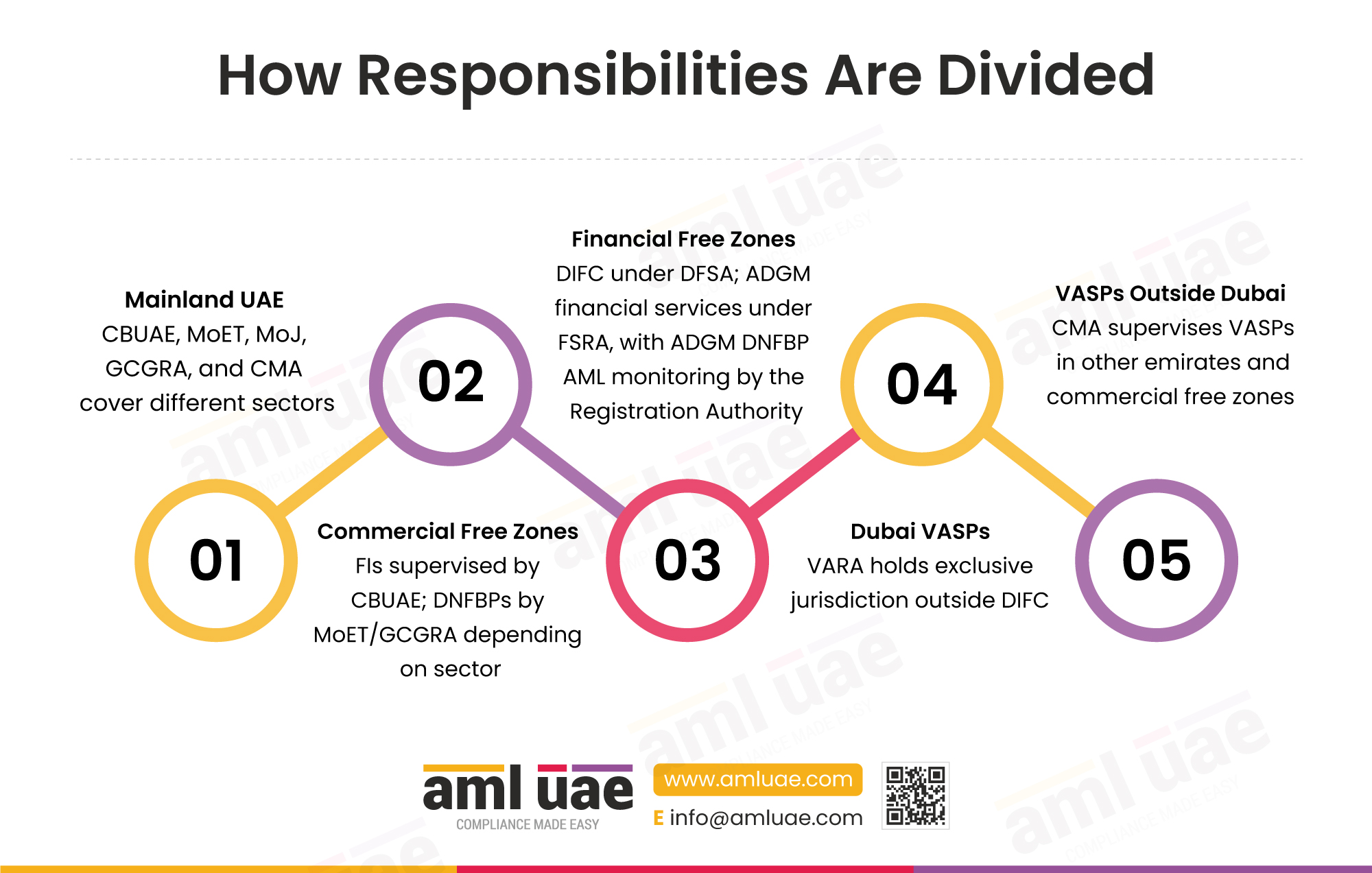
A Framework for Decoding Sanctions Screening Results

Decoding Sanctions Screening Results

A Framework for Decoding Sanctions Screening Results

Table of Contents

Protect your business with reliable and effective AML strategies with AML UAE.

Whether you use AML software or perform manual name screening, sanctions screening outcome interpretation is not limited to segregating screening outcomes into usual categories, such as those needing regulatory reporting and those requiring no action. Each match has a distinct implication, and the criteria for its analysis, disambiguation, and categorisation are based on the degree of similarity or distinction with key identifier details of the customer and sanctioned individual or entity. This blog provides a framework for decoding sanctions screening results so that you can categorise them into Perfect Match, Partial Match, False Match, and No Match.  

A Framework for Decoding Sanctions Screening Results

What is Sanctions Screening?

Sanctions Screening is a process through which the names of prospective and existing customers, who can be natural persons or legal entities, are matched against names available in relevant and applicable sanctions lists to check if any of the customer names match those contained in the sanctions list. 

What is Sanctions Compliance Program?

Financial Institutions, DNFBPs and VASPs operating in the UAE must have in place a Sanctions Compliance program that documents the Targeted Financial Sanctions (TFS) compliance measures, such as Sanctions Screening methodology, tools, and measures. Such a Sanctions Compliance Policy would generally elaborate upon the measures taken to assess sanctions-related risk by the regulated entity considering the regulatory framework in UAE concerning sanctions compliance and set rules and steps for conducting and disambiguating screening matches. 

What is Targeted Financial Sanctions (TFS) ?

Targeted Financial Sanctions (TFS) are restriction measures imposed by UAE requiring Designated Non-Financial Businesses and Professions (DNFBPs) to freeze funds with other assets of any existing or prospective customer whose name is found in any of the:

  • Local Lists, including UAE local terrorist lists issued by the Cabinet and sanctions lists containing names of natural persons and legal entities linked to the Financing of Terrorism (FT) or Proliferation Financing (PF) of weapons of mass destruction.
  • Sanctions lists issued by the United Nations Security Council Resolutions (UNSCRs). The names of relevant UNSCRs for DNFBPs in UAE, according to Circular No. (2) of 2022 for implementation of Cabinet Decision No. 74 of 2020 are Resolutions 1718 (2006), and 2231 (2015) and following resolutions.

Also, read about aligning your business with global sanctions lists.

Why is Sanctions Screening important for AML compliance and fighting ML/TF/PF?

  • To ensure that prospective and existing customers do not bring along Money Laundering (ML), FT and PF risks to the regulated entity.
  • To identify if any prospective or existing customers appear in any of the relevant sanctions lists and report them to the UAE Financial Intelligence Unit (UAE FIU) through the goAML portal, ensuring regulatory reporting compliance obligation.
  • To ensure compliance with sanctions screening regulatory requirements prescribed in applicable Anti-Money Laundering and Counter Financing of Terrorism (AML/CFT) and TFS regulations in UAE.

Also, read the role of sanctions in achieving international peace and security.

What are the Common Sanctions Screening Outcomes?

Sanctions Screening process usually generates four types of outcomes, namely:

1. Perfect Match

The name of the customer matches completely with the screening outcome generated through screening across relevant Sanctions Lists. A complete match is also known as a full match, or complete match, or an exact match.

2. Partial Match

The name of the customer partially matches the screening outcome generated through screening across relevant Sanctions Lists.

3. False Match

The name of the customer does not match with the screening outcome generated through screening across relevant Sanctions Lists.

4. No Match

Screening the name of the customer across relevant Sanctions Lists generates no or zero outcomes.

Sanctions Screening Process

The Sanctions Screening Process is carried out by taking the following steps such as:

1. Subscription to relevant and applicable Sanctions Lists

The FIs, DNFBPs, and VASPs are required to subscribe to the Executive Office for Control & Non-Proliferation (EOCN) mailing list to receive updates as to the addition and deletion of names in the sanctions list.

2. Collection of Key Identifier details

The DNFBPs are required to collect information to input data for conducting sanctions screening, such as in the case of:

a. Natural Person:

  • Name
  • Aliases
  • Date of Birth
  • Nationality
  • ID or Passport information
  • Last known address

b. Legal Entity:

  • Name
  • Aliases
  • Address of Registration
  • Address of branches, if any
  • Other relevant information

c. Ultimate Beneficial Owner (UBOs) of Legal Entity

  • Same as that of a natural person

3. Name Screening

Upon collection of key identifier information, all there’s left to do is to enter the key identifier details of the customer into the appropriate fields given in the Sanctions Screening software and execute the name-match command, doing so, will trigger the sanctions screening software to start searching the customer name entered across various relevant and applicable sanctions list to which the DNFBP is subscribed to.

The name-matching process can also be undertaken manually by searching through the relevant sanctions lists.

4. Screening Outcome Generation

Once the name-matching process is executed by the name screening software, screening outcomes will be generated, depending upon the type of filters and match percentage accuracy threshold settings configured into the sanctions screening software.

5. Screening Outcome Disambiguation

Finally, the analytical role of a Screening Analyst comes in; the screening outcomes generated by the sanctions screening software need to be segregated and organised by the screening analyst into the following categories:

  • Perfect Match
  • Partial Match
  • False Match
  • No Match

Enabling the regulated entity to deploy adequate AML/CFT Customer Due Diligence (CDD) measures and imposing TFS freezing measures if the need arises, based on the framework for decoding sanctions matches.

Unsure of how to implement the Sanctions Compliance Process?

Let AML UAE guide you with the Targeted Financial Sanctions Compliance.

Decoding Sanctions Screening Matches: A Step-by-Step Guide

Usually, in a large-scale organisation, distinct roles and responsibilities are assigned to relevant personnel, such as having a dedicated Screening Analyst to decode sanctions screening results. However, a small business, usually having very few or no employees, requires the owner or founder to take responsibility for decoding sanctions screening results.

Also read, risks of unaddressed matches in sanctions screening.

Decoding the Sanctions Screening Results requires the person entrusted with screening matches disambiguation to conduct the following measures:

1. Initial Assessment:

When attempting to decode sanctions screening results, an initial assessment needs to be carried out. Ideally, this can be commenced by segregating screening results into potential matches and obvious false matches.

2. Verification and Validation:

The potential matches derived need to be examined for further verification of potential matches with the key identifier details of the customer collected by the regulated entity.

This verification process would entail careful comparison between the key identifier details of the customer and those mentioned in the profile of a potential match. Based on comparison, the degree of similarity between customer details and the screening outcomes generated can be validated.

Followed by verification, the validation of such findings is carried out with the help of government-issued customer identification documents or copies of the same available with the regulated entity. Examples include a Passport or Emirates ID for a natural person as a customer and a trade license or the certificate of registration of the legal entity.

The validation process helps in determining whether the potential match can be classified as:

  1. Perfect Match
  2. Partial Match
  3. False Match
  4. No Match

3. Risk-Based Approach (RBA):

The fundamentals of RBA dictate that risk mitigation measures must be applied in proportion to the extent of risk faced by an entity. In the AML/CFT and TFS compliance context, adopting RBA would mean that a business applies ML/FT and PF risk mitigation measures, such as Standard Due Diligence, Simplified Due Diligence, and Enhanced Due Diligence (EDD) based on the degree and extent of ML/FT and PF risk posed by the customer to the business.

 Sanctioned individuals and entities pose a high degree of ML/TF/PF risks, and hence, the regulated entities are obligated not to establish a business relationship with them, apply freezing measures and submit a Confirmed Name Match Report (CNMR). Further, in the case of partial matches, the risks could be higher, and hence, the regulated entities are required to submit a Partial Name Match Report (PNMR) with the UAE FIU.

4. Escalation:

Depending upon the severity of the sanctions screening outcome finding, the case can be escalated internally to the AML Compliance Officer or Money Laundering Reporting Officer (MLRO).

5. Documentation:

The regulated entity must document all the procedures, steps, methodologies, tools, sanctions lists subscribed to, verification findings, and validation exercises carried out while conducting match disambiguation and the sanctions compliance process.

6. Regulatory Reporting:

Depending upon the screening outcome, if a perfect match or partial match is found, such an observation and finding must be reported through the goAML portal by the regulated entity within 5 calendar days of such an observation.

7. Record-Keeping:

To ensure compliance with record-keeping requirements imposed by relevant regulators, regulated entities conducting Sanctions Screening must maintain all records of their Sanctions Compliance Program, including sanctions screening results, screening disambiguation findings, and CDD measures taken for the prescribed period.

Let us now delve into decoding screening results based on customer profile and details of potential match found during sanctions screening process.

Worried about how to deal with potential ML/FT and PF risks?

Engage us to obtain customised Enterprise-Wide Risk Assessment.

Decoding Sanctions Screening Results: Perfect Match

Decoding Sanctions Screening Results when there is a Perfect Match requires the person conducting screening outcome disambiguation to know how the perfect match outcome is derived. A perfect match outcome is derived when all key identifier parameters of the customer match the screening outcome in totality.

Understanding the Sanctions Screening Perfect Match Disambiguation Matrix

Understanding the Perfect Match disambiguation matrix is quite straightforward. The comparison between the customer profile and screening outcome would visually appear like the matrix given:

In a Perfect Match scenario, all the key identifier parameters of sanctions screening outcome and the customer profile are compared with one another. The conclusion of such comparison is that both the customer profile and sanctions screening outcome have been found to match exactly with one another, resulting in the initiation of the regulatory reporting process by the regulated entity conducting sanctions screening.

Note:

  1. The human element is always required in disambiguating sanctions matches. The screening analyst may rely on the information available and his professional judgment to conclude the sanctions screening outcome.
  2. For a sanctions-perfect match, it is not necessary to possess all the information outlined in the above example. The key is to satisfy oneself that the customer and the name appearing in the sanctions list are the same. The screening analyst must document his findings and conclude the match type.

AML/CFT Regulatory Requirements Around a Sanctions Perfect Match

Upon finding a perfect match because of sanctions screening, the regulated entity is required to:

  • Freeze the assets of the sanctioned customer within 24 hours and prevent making any funds or services accessible to them.
  • File a Confirmed Name Match Report (CNMR) on the goAML portal within 5 calendar days of becoming aware that the customer has been sanctioned.

In case a prospective customer is found to be a perfect match, the regulated entity is required to:

  • Reject or avoid onboarding the prospective customer.
  • File a Confirmed Name Match Report (CNMR) on the goAML portal within 5 calendar days of becoming aware of the customer being sanctioned.

While taking the above measures, regulated entities must ensure that they do not let prospective or existing customers become aware of such a perfect match outcome.

Found a Perfect Match while conducting Sanctions Screening?

Let us assist you with Regulatory Report filing on the goAML Portal to avoid non-compliance fines and penalties.

Decoding Sanctions Screening Results: Partial Match

Decoding Sanctions Screening Results when there is a Partial Match requires the person conducting screening outcome disambiguation to know how partial match outcomes are usually found. Partial match outcomes are found only when the name of the customer matches partially with that of the screening outcome as either due to lack of further information, the match disambiguation exercise on remaining key identifying factors cannot be concluded or only limited key-identifier details match, such as first name only.

Understanding the Sanctions Screening Partial Match Disambiguation Matrix

The partial match disambiguation comparison between the customer profile and screening outcome would visually appear like the matrix given:

In a Partial Match scenario, upon a comparison of all the key identifier parameters of sanctions screening outcome and the customer profile, only the partial name of the customer matches with that of the screening outcome. Some of the reasons for partial name match are as follows:

  • Lack of complete information with screening data, sanctions data aggregator, or the DNFBPs themselves, where the screening analyst can neither confirm nor deny the potential match as perfect match or no match.
  • Lack of validating documents such as government-issued identification cards or licenses (in case of a legal entity customer) that can help rule out a potential match result as no match or perfect match. Also, upon request, the customer fails to provide or avoids providing additional or missing validation documents, or repeated requests for the same might result in ‘tipping off’ the customer.
  • Though the regulated entity is in possession of validating identifying documents or the screening aggregator provides such information through their database, the authenticity of such information or documentation is questionable due to identifying documents appearing to be forged or tampered with, resulting in inconclusive findings, often the photographs match, date of birth or age matches, and the partial name matches but remaining information is different. Such a situation can be the result of forged or tampered documents or identity theft, making it impossible to decide whether the match is a perfect match or no match.

The conclusion of comparison is that both the customer profile and sanctions screening outcome match only on the aspect of partial name and are inconclusive on the status of match likelihood of other key identifier parameters. Resulting in the initiation of a partial name match regulatory reporting process by the regulated entities conducting sanctions screening.

Note:

  1. The human element is always required in disambiguating sanctions matches. The screening analyst may rely on the information available and his professional judgment to conclude the screening outcome.
  2. For a partial match, it is not necessary to possess all the information outlined in the above example. The key is to satisfy oneself that the customer and the name appearing in the sanctions list are potentially the same. The screening analyst must document his findings and conclude the match type.

AML/CFT Regulatory Requirements Around a Sanctions Partial Match

Upon coming across a partial match, the regulated entity is required to:

  • Suspend all transactions with existing customers and prospective customers with immediate effect and maintain the suspension of the business relationship until further instructions from the UAE FIU.
  • File a Partial Name Match Report (PNMR) on the goAML portal within 5 calendar days.

While taking the above measures, the regulated entity must take care of tipping off provisions and ensure that it doesn’t let prospective or existing customers become aware of the partial name match outcome and its regulatory reporting.

Ensure timely and accurate PNMR Reporting through the goAML Portal!

Leave your Regulatory Reporting concerns with us!

Decoding Sanctions Screening Results: False Match

False match outcomes are found when the customer’s name initially generates a screening outcome. However, upon comparing the customer profile and screening outcome, the screening analyst conducting screening disambiguation can conclude that the potential match is a false match.

Understanding the Sanctions Screening False Match Disambiguation Matrix

The false match disambiguation comparison between the customer profile and screening outcome would visually appear like the matrix given:

In a False Match scenario, upon a comparison of all the key identifier parameters of sanctions screening outcome and the customer profile initially appear similar or sanctions screening software has generated the false screening outcome due to the following factors:

  • Customer data quality and uniformity issues, due to which the screening software is generating false matches.
  • Algorithmic errors in the screening tool result in the generation of false matches.
  • The fuzzy match threshold is set too low while conducting sanctions screening.
  • Lack of knowledge as to what nationalities, languages, and cultures the screening data and customer details belong to, leading to not setting screening parameters accordingly.
  • Lack of fine-tuning the screening parameter filters or lack of customizability of the screening tool.
  • Outdated screening data and lack of whitelisting.

Note:

  1. The human element is always required in disambiguating sanctions matches. The screening analyst may rely on the information available and his professional judgment to conclude the screening outcome.
  2. For a false match, it is not necessary to possess all the information outlined in the above example. The key is to satisfy oneself that the customer and the name appearing in the sanctions list are not the same. The screening analyst must document his findings and conclude the match type.

AML/CFT Regulatory Requirements Around a Sanctions False Match

When a False Match is found during sanctions screening, no regulatory reporting or compliance measures need to be initiated. The regulated entity can onboard the potential customer or continue the business relationship as usual with an existing customer upon finding a false match.

Sanctions Screening Best Practices to Avoid Unusually High False Matches

As a best practice measure, the regulated entities can analyse if the occurrence of false matches is normal or higher than usual, based on its experience and acceptable thresholds. If false matches appear higher than normal, the regulated entities must take measures to minimise false matches by taking measures such as:

  • Re-tuning the sanctions screening tool
  • Opting for a better sanctions screening tool with a proven record of least false matches.
  • Opting for whitelisting certain repetitive false matches, but with caution.
  • Conducting a sanctions screening software testing and validation exercise or conducting an AML software audit to identify the cause of false matches.
  • Ensure that the sanctions screening tool is customisable to modify rules and re-set match percentage parameters.

Thinking of changing your sanctions screening software because of its inability to detect false matches? Read Switching Sanctions Screening Software: Pain or Gain?

Ensuring accurate screening results with minimum False Matches!

Make the most of your investment in AML Sanctions Screening software

Decoding Sanctions Screening Results: No Match

When conducting sanctions screening of a customer across sanctions lists generates no result, then such lack of screening outcome is also known as ‘No Match’. This simply means that the screening exercise generated no results, and the customer’s name does not appear in any of the sanctions lists to which the regulated entity has subscribed.

Understanding the Sanctions Screening No Match Disambiguation Matrix

The no-match screening result between the customer profile and screening outcome would visually appear like the matrix given. However, such a matrix happens in the background of the screening software process, and the illustrative matrix helps visualise how a no-match result is generated by screening software. This happens when, on all customer key identifier parameters and names available in the sanctions list, the screening software is unable to find any remotely matching outcome.

Note:

  1. The human element is always required in disambiguating sanctions matches. The screening analyst may rely on the information available and his professional judgment to conclude the screening outcome.
  2. Sanctions Screening software must be properly tested, leaving no room for false negatives.

AML/CFT Regulatory Requirements Around a Sanctions No Match

When there are no matching results while conducting sanctions screening, the regulated entity may onboard such a customer and conduct CDD according to its customer onboarding policy or may continue the business relationship as usual in case of an existing customer relationship.

Conclusion

The Sanctions Screening Compliance is not merely limited to conducting sanctions screening and regulatory reporting if needed. Businesses in UAE, such as DNFBPs, need to understand the intricacies of why sanctions screening is required in the first place, the laws governing sanctions compliance, and the methodology and process of conducting sanctions screening to be able to decode the sanctions screening outcomes with the framework illustrated effectively.

Regulated entities must also understand their rights and obligations in the event of every possible type of sanctions screening outcome generated, and they must be equipped with personnel and know-how to ensure AML compliance that a possible screening outcome requires, be it filing CNMR, PNMR, or proceeding with customer onboarding, as the need be.

Effective AML consulting services

make your business dealings brighter, smoother, and better

Share via :

Add a comment

About the Author

Pathik Shah

FCA, CAMS, CISA, CS, DISA (ICAI), FAFP (ICAI)

Pathik is an ACAMS-certified AML consultant specialising in governance, risk, and compliance for regulated entities in the UAE. He brings over 28 years of experience, with 1,000+ hours of AML training and 200+ advisory engagements across DNFBPs, VASPs, and FIs. He supports businesses in aligning with AML/CFT requirements from the CBUAE, DFSA, MoET, MoJ, VARA, CMA, FSRA, and FATF. Known for translating complex regulations into audit-ready procedures, Pathik enables operational clarity and compliance readiness.

Reach Out to Pathik
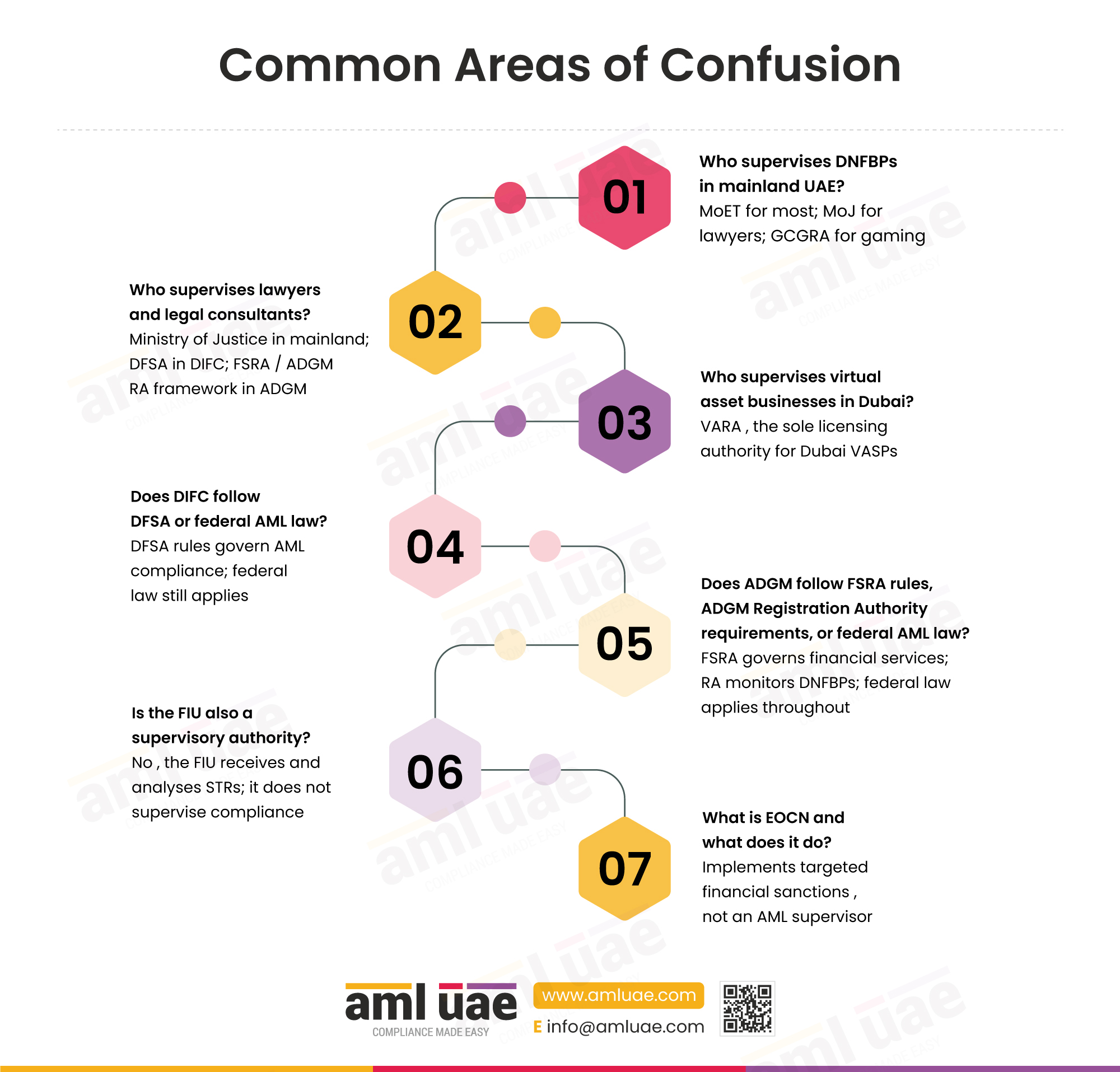
AML Compliance Requirements for Jewellers in UAE​

AML Compliance Requirements for Jewellers in UAE

AML Compliance Requirements for Jewellers in UAE​

Table of Contents

Protect your business with reliable and effective AML strategies with AML UAE.

AML Compliance Requirements for Jewellers in UAE

Precious metals and stones have undoubtedly been a point of attraction among financial criminals, given their characteristics such as:

  • Small size, high value
  • Easy to transport
  • Use as a store of value
  • Use as a medium of exchange
  • Worldwide acceptability
  • Retains value and is subject to lesser value fluctuation

Criminals or money launderers use dirty money to buy gold, diamonds, etc., which is subsequently resold to bring the money back into the financial markets, merging the funds disguised as if obtained authentically.

To safeguard the precious metals and stones segment against financial crimes, the AML regulations mandate that dealers in precious metals and stones design and implement robust ML/FT risk mitigation measures.

Here is a comprehensive guide for dealers in precious metals and stones to understand and navigate their AML compliance journey in the UAE.

UAE’s AML Legislative Landscape for the Dealers in Precious Metals & Stones

The primary law governing the anti-money laundering framework in the UAE is Federal Decree by Law No. (10) of 2025 Regarding Anti-Money Laundering, and Combating the Financing of Terrorism and Proliferation Financing and Illegal Organizations. Cabinet Resolution No. (134) of 2025 Concerning the Executive Regulations of Federal Decree-Law No. (10) of 2025 Concerning Combating Money Laundering, Terrorist Financing, and the Financing of the Proliferation of Weapons.

AML compliance is not complete without Targeted Financial Sanctions compliance. For this, the UAE authorities have issued Cabinet Resolution No. 74 of 2020 regarding Terrorism Lists Regulation and Implementation of UN Security Council Resolutions on the Suppression and Combating of Terrorism, Terrorist Financing, Countering the Proliferation of Weapons of Mass Destruction and its Financing and Relevant Resolutions, which lays down the detailed directives for the regulated entities around sanctions compliance.

These fundamental laws and regulations, along with the guidelines issued by the supervisory authorities*, help the DPMS sector understand its risk exposure and customise the AML/CFT program, focusing on timely detection and reporting of money laundering, terrorist financing, and proliferation financing vulnerabilities.

* The Ministry of Economy is the AML supervisory authority for the DPMS licensed in the UAE, with the following exceptions:

  • The supervisory authority for dealers in precious metals and stones operating in or from the Abu Dhabi Global Market (ADGM) the ADGM’s Financial Service Regulatory Authority.
  • For DPMS licensed with the Dubai International Financial Centre (DIFC), it is the Dubai Financial Service Authority.

The primary guidelines which a DPMS is required to adopt for necessary guidance around complying with AML requirements are:

  • Central Bank of UAE issued AML/CFT Guidelines for Designated Non-Financial Businesses and Professions
  • UAE Ministry of Economy’s Supplemental Guidance for Dealers in Precious Metals and Stones
  • ADGM or DIFC AML and Sanctions Compliance Rulebook

Understanding the DPMS subject to AML Compliance

Under the UAE AML laws, dealer in precious metals and stones engaged in conducting single cash transaction or several interlinked transactions amounting to AED 55,000 or more would be considered as one of the Designated Non-Financial Businesses and Professions (DNFBPs), obliged to implement AML measures.

Here, for the purpose of AML compliance, “Precious Metals and Stones (PMS)” would include:

Precious Metals

  • Gold, with a minimum purity of 500 parts per 1,000
  • Silver, with a minimum purity of 800 parts per 1,000
  • Platinum, with a minimum purity of 850 parts per 1,000
  • Palladium, with a minimum purity of 500 parts per 1,000

Precious Stones

  • Diamonds (rough) of any weight in carats
  • Diamonds (polished), with a minimum weight of 0.3 carats per stone if loose or a minimum weight of 0.5 carats per any single stone mounted in a setting
  • Colored Gemstones (polished Emeralds, Rubies, Sapphires), with a minimum weight of 1 carat per stone if loose or a minimum weight of 2 carats per any single stone mounted in a setting

Pearls

  • Loose, with a minimum diameter of 3 millimeters per bead
  • Strung or mounted in a setting, with a minimum diameter of 10 millimeters per any single bead

Other

  • Any object whose at least 50% monetary value is comprised of PMS
  • High-value industrial metal (e.g., wolframite, cassiterite, and coltan), cobalt, and other platinoid metals (e.g., rhodium, etc.)
  • Semi-precious gemstones (e.g., amethysts, opals, jade, etc.)
  • Synthetic, treated, or artificial gemstones

Does your Jewellery business require you to file DPMSR?

Consult with our AML experts specialised in the Jewellery Sector!

AML Compliance Obligations of a Dealer in Precious Metals and Stones

As entities subject to AML compliance, DPMS must detect and report ML/FT-related suspicious transactions promptly to the UAE’s Financial Intelligence Unit. To adhere to this reporting obligation effectively, the DPMS must comply with federal AML legislation and AML/CFT guidelines issued by the AML supervisory authorities.

The following are the core AML compliance components a dealer in precious metals and stones in the UAE must adhere to:

goAML Registration

Every DPMS in the UAE must get itself registered with the FIU’s goAML Portal, adequately completing the two-stage application process.

When making a registration application on the goAML Portal, the DPMS must furnish details about the person who will act as an AML Compliance Officer and the organisational details.

Appointing a right AML Compliance Officer

Every dealer in precious metals and stones is required to appoint a capable AML Compliance Officer or a Money Laundering Reporting Officer (MLRO) to design, implement, and oversee the effective implementation of the AML functions across the organisation.

The appointment of the Compliance Officer is subject to approval from the AML supervisory authority (which is applied for in the first stage of the goAML registration process).

Performing Enterprise-Wide Risk Assessment (EWRA) to uncover the potential risks

Each DPMS faces different ML/FT risks, which warrant a thorough analysis of these financial crime risks.

To evaluate potential vulnerabilities and adopt the risk-based approach as prescribed under the law, the dealer in precious metals and stones must conduct a comprehensive Business Risk Assessment or Enterprise-Wide Risk Assessment process.

EWRA shall help the DPMS assess the overall risk of money laundering, financing of terrorism (ML/FT), and proliferation financing (PF), understand the likelihood of each risk scenario materialising, its possible impact on the business, and the measures required to manage these risks. Further, as part of EWRA, the quality of the existing controls must be evaluated, and additional measures required to manage the residual risk must be documented.

While assessing the risk, the DPMS must consider all the potential risk parameters, such as:

  • the nature and type of customers and suppliers it deals with
  • the type of products offered
  • the size, volume, and complexities of the transactions
  • the geographies it operates in and the jurisdiction of its customers/suppliers
  • delivery/distribution channel deployed, etc.

Worried about how to deal with potential ML/FT and PF risks?

Engage us to obtain customised Enterprise-Wide Risk Assessment.

Tailoring the AML/CFT Policies, Procedures, and Controls

As the ML/FT risk varies, every DPMS must customise its risk management program, detailing the AML/CFT policies and procedures. This program must be proportional to the nature and size of the DPMS’ operations and risk identified during EWRA.

Additionally, the AML program must provide for the controls and risk mitigation measures the DPMS shall deploy commensurate to the risk and the defined policies and procedures.

The AML/CFT program must match the latest AML/CFT regulations, covering the application compliance obligations and factoring in the evolving ML/FT trends and typologies around the precious metals and precious stones sector.

The AML/CFT policies and procedures must be clear and comprehensive to help the AML Compliance Officer and the staff understand their compliance responsibilities and navigate the AML tasks.

Customer Due Diligence (CDD) Measures

One of the essential components of the AML compliance framework for every regulated entity, including the DPMS, is to identify the customers and suppliers, including the ultimate beneficial owners.

The dealers in precious metals and stones must implement a robust and adequate “Know Your Customer” (KYC) program to identify customers, their activities, the nature of the business relationship and the intended purpose of the transaction, the ownership and controlling structure if the customer is a legal entity, etc. As part of KYC, once the details are obtained, the DPMS must verify their identities using independent and reliable sources.

For verification of the identity, the DPMS may rely on the government issued valid identity documents such as:

  • Individual: Passport, Emirates ID, Driving License, etc.
  • Legal entity: Trade License/Certificate of Incorporation and Memorandum & Articles of Association

This also includes appropriate address verification of customers, which helps the DPMS strengthen its efforts around the customer identification process.

Having adequately identified the customer’s basic details, the DPMS must carry out customer screening. The screening process shall assist the DPMS in determining whether the customer, their ultimate beneficial owners (UBOs), or senior management is designated under the Sanctions Lists—UNSC Consolidated List, UAE Local Terrorist List, or other international sanctions lists.

In addition to sanctions screening, the dealers in precious metals and stones must also screen the customers against the Politically Exposed Person (PEP) database to understand if the customer is PEP or associated with PEP, which may increase the ML/FT exposure in the particular business relationship.

The screening exercise must also be extended to cover adverse media and social media checks to verify customers’ connections with financial crime, be it fraud, money laundering, tax evasion, bribery, or other predicate offences that affect the risk.

Considering the customer identification and transactional (proposed or executed) details, along with screening results, the DPMS must perform customer risk profiling to identify the ML/FT risk the customer poses to the business and classify them as high, medium, or low.

When the customer is categorised as high-risk, the DPMS must apply Enhanced Due Diligence (EDD) measures and obtain additional details to establish the legitimacy of the customer’s identity. Further, checks must also be applied to understand and verify the customer’s source of funds and wealth using reliable sources.

Ongoing Monitoring of Transactions and Business Relationships

Dealers in precious metals and stones must keep their customers’ and suppliers’ databases up-to-date and capture valid and accurate identification details.

The CDD information must be closely monitored to ensure that the assessed customer risk is relevant during the ongoing business relationship, and if there is any change in the customer details that impacts the risk exposure, the same is immediately identified.

As part of transaction monitoring, the DPMS must check for the compatibility of the customer’s profile with the transactional pattern to see if values and volumes are within the customer’s known financial and commercial profile.

Further, ongoing monitoring of the transactions is also very important to identify any unusual activities or transactions by the customer that contradict the customer’s risk profile.

For high-risk customers, enhanced and more stringent monitoring measures must be applied.

Compliance with Targeted Financial Sanctions (TFS)

As a DNFBP, the dealers in precious metals and stones are required to implement a comprehensive Targeted Financial Sanctions compliance program in accordance with Cabinet Decision No. (74) of 2020.

As a first step towards the TFS program, the DPMS must subscribe to the Executive Officer for Control and Non-Proliferation (EOCN) Notification System to receive alert emails regarding additions, delisting, or any amendments in the United Nations Consolidated List and the UAE Local Terrorist List.

All the customers, their UBOs and senior management personnel must be screened against these sanctions lists, including any other relevant international sanctions regime.

Upon screening, if any matches are identified with the UNSC Consolidated List or the UAE Local Terrorist List, the DPMS must undertake the following actions, depending on the nature of the match observed (confirmed or partial name match where the DPMS is unable to determine if it is a confirmed match or a false hit):

Identifying and Reporting Suspicious Activities or Transactions

Dealers in Precious Metals and Stones are required to design and implement adequate mechanisms to identify potential ML/FT risk indicators and report suspicious activities or transactions to the FIU in a timely manner. To enable this, the DPMS must understand and document the industry-specific ML/FT/PF red flags for precious metals and stones and create awareness among the staff and relevant stakeholders.

Some of the red flags related to the precious metals and stones industry may include the following:

  • Large value transactions in cash, without adequate justification around the source of such funds
  • Involves the frequent trading of diamonds and gold in small incremental amounts
  • Involves the barter or exchange of PMS with reasonable margins within a short span of time
  • The customer is not willing to provide complete or accurate financial references, contact information, or any type of business affiliations
  • The supplier or customer attempts to maintain a high degree of secrecy about a transaction
  • PMS with characteristics that are unusual or do not conform to market standards
  • Payments being paid through a third-party account
  • Sales or purchases don’t conform to industry standards.
  • Sales or purchases are unusual for a particular supplier or customer
  • Transactions involving foreigners or non-residents from sanctioned, high-risk, or weak AML-regime countries
  • Customer makes unusual requests before transactions

Additionally, the procedures and controls must be in place to encourage the staff to report the observed risk indicators to the AML Compliance Officer, who later independently evaluates the suspicions and determines whether a report must be made with FIU.

The suspicious transactions or activities must be reported on the UAE’s FIU by the entity’s AML Compliance Officer by filing a Suspicious Activity Report (SAR) or Suspicious Transaction Report (STR), as the case may be.

AML Training

AML staff training is a critical compliance obligation for every dealer in precious metals and stones. Regular training must be provided to the staff and senior management to create awareness about AML compliance obligations and their roles and responsibilities.

Adequate AML training must be part of the new employee orientation program, and a refresher course must be designed for all employees to keep them updated with recent AML developments.

The training must not be restricted to mere AML regulations laws. The Compliance Officer must understand the training needs of the employees and design a personalised training program for the team, depending upon their involvement in AML activities (for example, for the customer-facing team, the training agenda must cover the Customer Due Diligence program and identification and reporting of red flags).

Focused. Flexible. Tailor-made

AML training for the Jewellery Sector by Certified AML Specialists.

AML Governance

To establish a robust AML compliance culture within the organisation, the AML/CFT program must be supported by senior management.

The senior management must set the right tone at the top. To enable this, the regulations require the Compliance Officer to prepare and submit a periodic AML/CFT report to the senior management, covering the necessary details on the compliance and the entity’s risk exposure, bringing management on board the AML compliance function. Senior management must review this report and provide inputs/feedback to the Compliance Officer to enhance the AML/CFT measures and risk mitigation capabilities.

Employee engagement is equally important for the effective functioning of the AML measures across the business. This calls for an adequate staff screening program, ensuring high standards in staff hiring, and imparting regular AML training to the staff (as discussed in the preceding point).

Further, DPMS must also implement an independent AML Audit function to ensure periodic testing of the quality and adequacy of the AML/CFT measures deployed and remediate any gaps.

Other goAML Reporting

Checkout the goAML reports you need to apply as a Dealer in Precious Metals and Stones Report (DPMSR)

Dealer in Precious Metals and Stones Report (DPMSR)

The DPMS is required to file a Dealer in Precious Metals and Stones Report (DPMSR) on the goAML portal to report the cash transactions or transactions involving international wire transfers (in the case of a legal person) amounting to AED 55,000 or more.

AML Record Keeping

Every dealer in precious metals and stones must maintain all AML-related records and documents, CDD files including identification details and documents, transactional records, reports submitted on the goAML Portal, etc., for five (5) years.

The record retention period is six (6) years for the DPMS registered with DFSA or the ADGM’s FSRA.

How can AML UAE assist Dealers in Precious Metals & Stones with AML Compliance?

AML compliance is critical for dealers in precious metals and stones operating in the UAE to safeguard their business operations and the overall PMS ecosystem from being exploited by money launderers.

With our domain knowledge and understanding of the AML regulatory requirements, we assist you with achieving AML compliance obligations while keeping your guard high against the financial crime risk.

AML UAE is a leading AML consultancy service provider. It assists DNFBPs, including dealers in precious metals and stones, with assessing business risk, customising AML/CFT policies and procedures, and training staff to adopt the best AML practices for combatting financing crimes.

FAQs: AML Compliance for Dealers in Precious Metals and Stones in the UAE

Why are precious metals and stones prone to high money laundering risks?

Criminals use gold, diamonds, and other precious metals/stones to launder illicit funds. Tracing the origin of such PMS is difficult, given its inherent characteristics of easy movement, high value-minimal size, and global market. Further, the PMS sector is a cash-intensive segment, wherein the transactions happen in cash, which can be brought from any source, giving criminals a larger window to introduce illegal proceeds.

No, if transactions are for the specified amount (i.e., equal to or exceeding AED 55,000), both B2B and B2C transactions must be reported in DPMSR on the goAML portal.

To adequately carry out the risk assessment, the dealers in precious metals and stones must consider the following factors:

  • Customer or Business Relationship specific risk
  • Products and transaction-related risk
  • Delivery channel-related risks
  • Geographical risk

Yes, adequate due diligence measures must be applied to identify the suppliers, their UBOs and verify the identity details using reliable, independent sources.

Ghost shipping under AML indicates a bogus or fictitious transaction, wherein buyer and seller come together to prepare fake documents for the fictitious transaction indicating that the PMS was supplied and payments were made, where neither there has been any goods movement nor any payments transferred. Ghost shipping is one of the Trade-Based Money Laundering methods.

Effective AML consulting services

make your business dealings brighter, smoother, and better

Share via :

Add a comment

About the Author

Pathik Shah

FCA, CAMS, CISA, CS, DISA (ICAI), FAFP (ICAI)

Pathik is an ACAMS-certified AML consultant specialising in governance, risk, and compliance for regulated entities in the UAE. He brings over 28 years of experience, with 1,000+ hours of AML training and 200+ advisory engagements across DNFBPs, VASPs, and FIs. He supports businesses in aligning with AML/CFT requirements from the CBUAE, DFSA, MoET, MoJ, VARA, CMA, FSRA, and FATF. Known for translating complex regulations into audit-ready procedures, Pathik enables operational clarity and compliance readiness.

Reach Out to Pathik
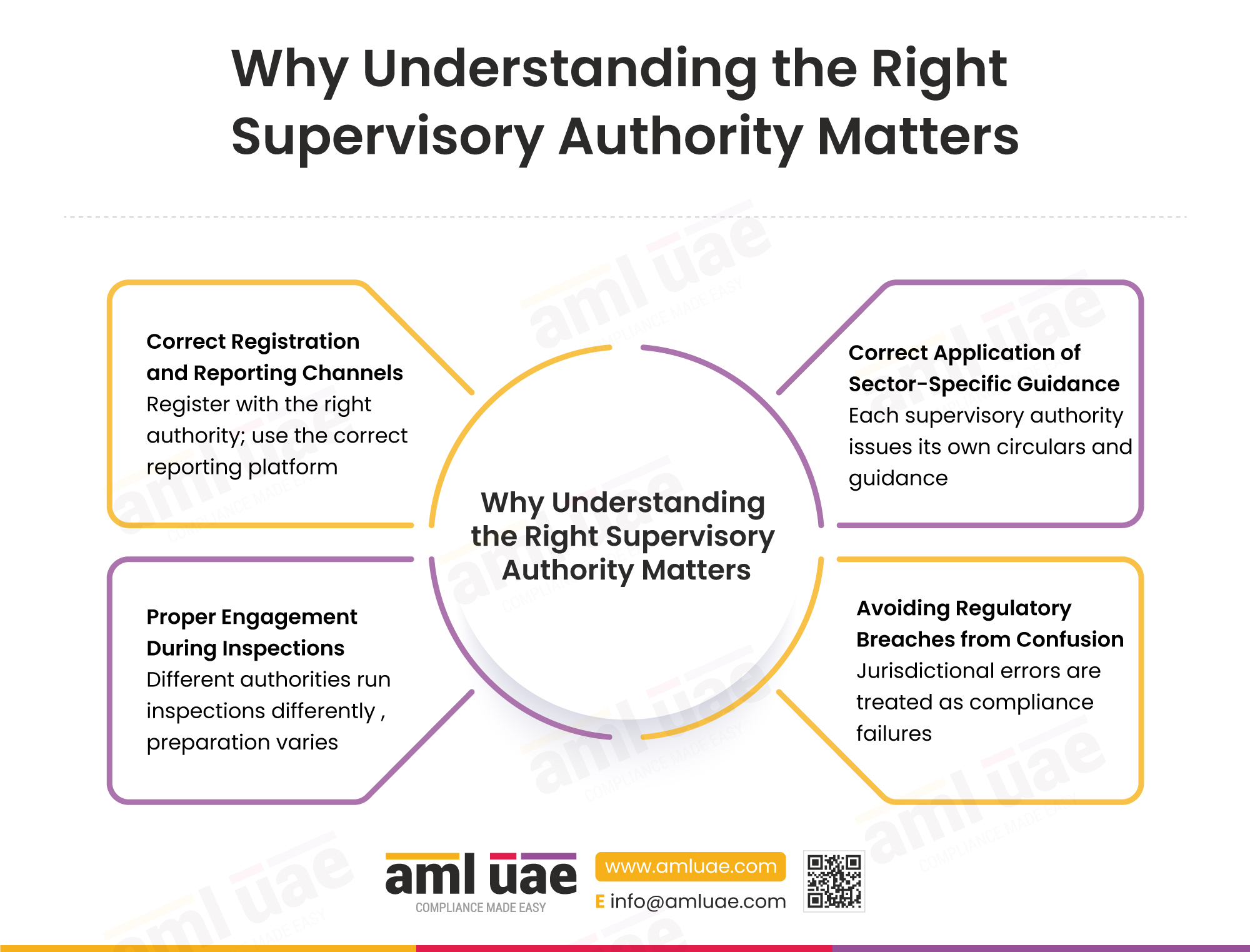
The Inter-Relationship of Money Laundering and Terrorist Financing

inter-relationship of Money Laundering and Terrorist Financing 

The Inter-Relationship of Money Laundering and Terrorist Financing

Table of Contents

Protect your business with reliable and effective AML strategies with AML UAE.

It is essential to understand the concepts of Money Laundering (ML) and Terrorism Financing (TF) when embarking upon exploring the field of financial crime and Anti-Money Laundering (AML)/ Counter Financing of Terrorism (CFT) laws. This blog intends to enable financial crime enthusiasts and professionals to develop an understanding of basic concepts of ML/TF and delve into the inter-relationship of Money Laundering and Terrorist Financing.

Definition of Money Laundering

Money Laundering can be defined a process where illicit, ill-gotten gains, or profits of crime are disguised to make them appear as if such an income or profit was earned through legitimate sources 

Background of Money Laundering

Criminals, criminal syndicates or cartels, corrupt officials and politicians commit crimes or assist in the execution of crimes because of the motive to earn quick financial profits or gains. However, these financial gains earned due to criminal activities are often in the form of large amounts of cash, wire transfers in tax haven or regulatory haven countries, or in the form of virtual assets such as Bitcoin and Ethereum, to name a few. The concept of money laundering originated due to the requirement of evading detection by law enforcement agencies. 

The catch situation these criminals face is that they cannot, like a straightforward law-abiding citizen earning genuine salary or business profits, go and deposit proceeds of crime into a bank account or transfer proceeds of crime from one criminal or syndicate to another by internet banking or wire-transfer services offered by banks and other financial institutions.  

Any individuals or corporates wanting to use formal banking and financial institution services need to provide their details to fulfil regulatory compliances such as Know Your Customer (KYC) and Customer Due Diligence (CDD) requirements. 

If criminals or criminal syndicates make use of formal banking and financial institution services, they would also end up being subjected to regulatory compliance requirements, which, if they truthfully provide, then they would end up being prosecuted as providing details of their own and their sources of income would establish their connection with crimes. 

Criminals and criminal syndicates resort to money laundering to avoid such detection of earnings because of crime and prosecution by law enforcement agencies. 

The word “launder” in the concept of money laundering refers to the act of washing away the traces of the criminal or illicit origin of funds acquired by various illicit activities such as extortion, drug dealing, human trafficking, and so on.  

Process of Money Laundering

The process of money laundering enables criminals and criminal syndicates to separate the connection between them and the proceeds of crime acquired by them. Money laundering makes it possible to do so as the process of money laundering contains three steps: 

  • Placement: At this first stage, the proceeds of crime in cash form or other assets acquired as profits from criminal activity are introduced into the legitimate financial system. Examples include: 
    • Dividing large sums of money into smaller chunks and depositing the same in multiple bank accounts to avoid crossing the reporting threshold and triggering reporting requirements. 
    • Buying foreign exchange in cash with illicit cash. 
    • Purchasing gift cards with stored value in cash and using gift cards to transfer funds/carry cash. 
  • Layering: At this second stage of money laundering, the illegally acquired money is separated from its origin by the introduction of layers that help conceal or disguise the illicit origin and give fake legitimate proof of such gains. Examples include: 
    • Moving funds within the same group of shell companies by creating fake invoices. 
    • Converting deposited cash into financial instruments. 
    • Investing in real estate and high-value precious metals such as gold and silver.
  • Integration: At this third and last stage of the money laundering process, legitimacy is given to the illicit income by facilitating the re-entry of layered funds into the mainstream economy. Examples include: 
    • Creating business relationships and contracts with legitimate businesses and investing funds in such businesses 
    • Investing or purchasing high-value assets such as yachts, artwork and high-priced limited-edition vehicles and watches. 

In simple words, money laundering is a process that disguises illegal sources of gains or income and makes it appear as if the same was acquired legitimately. Criminals resort to money laundering techniques to avoid detection and prosecution by law enforcement authorities.  

Our timely and accurate AML consulting services

For your smooth journey towards your goals

Definition of Terrorist Financing

In order to understand the definition and concept of terrorism financing, it is essential to understand what terrorism means. Terrorism is the use of force, violence, and destruction of property and human life, with the intent to intimidate or force governments and people at large to support or comply with the objectives and demands of people carrying out terrorism, also known as terrorists. Examples of terrorism include mass killings through suicide bombers, hijacking and destruction of monuments.  

Carrying out terrorist activities requires extensive funding for the purchase of weapons and explosives, training of individuals to further out terrorist activities, recruitment of terrorists, and related activities.  

Process of Terrorism Financing

Terrorism Financing is a process through which terrorist organisations or individual terrorists acquire funds to further their terrorist activities. Terrorists can acquire funds for their motives through multiple means, including legal and illegal means. The process of terrorism financing is carried out in four stages: 

  • Raise: At this first stage, terrorists acquire funds by evading formal channels and collecting funds that help them in carrying out terrorist activities. Examples include: 
    • Seeking funds through donations under false pretexts, such as donations for surgery of underprivileged children. 
    • Collecting donations from supporters of similar fanatic ideologies. 
  • Store: At this second stage, terrorists, after raising funds, look to store the funds until it is safe to move these funds to prevent detection by authorities. Examples include: 
    • Purchasing cryptocurrencies or virtual assets. 
    • Purchase of high-value assets such as art and antiques. 
    • Depositing cash in several bank accounts. 
  • Move: At this stage, terrorists mobilise the funds. The movement of funds is carried out by various formal and informal ways of channelling funds. Examples include: 
    • Sale/Transfer of virtual assets. 
    • Bulk cash couriers. 
  • Use: At this stage, the goal of terrorism financing is within reach of terrorists. They utilise funds for: 
    • Purchase of weapons. 
    • Purchase of destructive materials. 
    • Recruitment of people for terrorist motives. 

Importance of Understanding the Inter-Relationship between Money Laundering and Terrorist Financing

Effective implementation of ML/TF risk mitigation measures requires persons involved in their implementation to have basic training and an understanding of core concepts of AML compliance, such as what ML/TF is and the interrelationship between them.  

The persons involved in the implementation of AML compliance measures are the customer-facing staff, the compliance team, including the AML compliance officer, and the senior management of the business, responsible for signing off the onboarding and continuation of business relationships with high-risk customers.  

Knowledge of the inter-relationship between money laundering and terrorist financing also enables businesses such as DNFBPs and VASPs to implement the risk-based approach in curtailing ML/TF in a more effective manner, as both ML/TF have similar countermeasures and red flags where one helps identify and curb another at the same time. 

Want to implement a robust framework to fight ML/TF?

Similarities between ML/TF

When it comes to addressing similarities between ML/TF, following considerations need to be made: 

1. The countermeasures in preventing the occurrence of money laundering and terrorism financing serve dual purposes, such as: 

  • Identification of suspicious activities and transactions by having suitable and adequate Know Your Customer (KYC) / Customer Due Diligence (CDD) practices in place. 
  • Regular monitoring of transactions. 
  • Compliance with AML/CFT laws and regulations. 

2. ML/TF have similar channels of execution: 

  • Relying on cash couriers, exchange houses, and similar channels to “layer” or “move” funds for illicit purposes. 

Difference between ML/TF

Money Laundering Terrorism Financing 
Motive: Money laundering is conducted with the motive to wash away or disguise the illicit origin of funds to enable the launderer to use funds and separate the illegal origin of money from the money itself.  Motive: Terrorism financing is conducted with a singular goal to further religious ideologies and spread fear and destruction by conducting terror events such as bombings or hijackings.  
Source: The source of money laundering is always through an illegal activity, a predicate offence. Source: The source of terrorism financing can be both legitimate or illegal; for example, terrorists may collect funds legally through crowdfunding or may collect funds illegally by utilising proceeds of crime earned by committing other crimes such as extortion or human trafficking racket. 
Methodology: The process of money laundering is circular in nature, meaning that the person acquiring illicit proceeds is the beneficiary or the ultimate user of laundered funds. Methodology: The process of terrorism financing starts with collecting funds from various legal and illegal sources and ends up being used by terrorists in conducting terror events. Thus, the movement of funds is linear in nature. 

Inter-relationship of Money Laundering and Terrorist Financing

Money laundering and terrorism financing are closely interlinked concepts due to their inherent nature of facilitating the movement of illicit funds through multiple channels till they are ready for final use. Both ML/TF use and rely on similar channels of carrying out the “layering” or the “moving” of money, such as cash couriers, or exchange houses. Other than this, the red flags for ML or TF might indicate the presence of another and help curtail both. 

1. Shell Companies

Both Money Laundering and Terrorist Financing involve Shell companies to hide the Ultimate Beneficial Owners. 

2. Complex Transactions

Criminals resort to complex financial transactions to make it difficult for regulatory authorities to reach the ultimate source of their ill-gotten money. This holds true for both money laundering and terrorist financing. 

3. Trade-Based Money Laundering (TBML)

Both Money Laundering and Terrorist Financing involve manipulation of trade transactions to disguise the movement of funds.

4. Shared Vulnerabilities

The word vulnerability refers to the openness to being attacked. In the context of ML/TF risk, businesses are vulnerable to being misused as a channel or instrument to further ML/TF activities by launderers or terrorists. This shared vulnerability exists due to the presence of similar structures or channels to conduct money laundering or terrorism financing. The infrastructure relied on by businesses to conduct cross-border transactions or international business transactions, or while dealing with virtual assets, is often targeted by money launderers and terrorism financing groups for exploitation and transferring proceeds for their illicit motives. 

5. Overlap in Regulatory Obligations

The regulated entities have to craft AML/CFT policies and procedures, conduct KYC and CDD, perform transaction monitoring, maintain records, appoint independent auditors, submit regulatory reports like SAR/STR, and have a proper governance framework to counter ML/TF. These obligations are aimed at tackling money laundering and terrorist financing issues simultaneously.  

6. International Cooperation

Given the cross-border nature of money laundering and terrorist financing, the countermeasures require international cooperation.  

7. Socio-Economic Impact

The prevalence of money laundering and terrorist financing have a devastating socio-economic impact. They can affect economies adversely and undermine public trust in banks and financial institutions, and therefore, it is important to address both issues together. 

8. Mutual Dependence Between Money Laundering and Terrorist Financing

As discussed earlier, terrorists always require large amounts of funding regularly to support their activities, such as the training and recruitment of new terrorists, purchase of weapons, ammunition, tracking and interception equipment, and so on. The primary motive of TF is to spread fear and destroy human lives in the name of ideologies, which is only possible through conducting terrorist activities supported by a supply of funding.  

The funding for TF is supplied through legal and illegal means. Terrorists acquire funds legally through a collection of small donations from a substantial number of individuals supporting the ideology or may receive state-sponsored funds. Terrorists can also acquire funds illegally through a collection of funds in the name of donation under a false agenda or through other crimes such as drug dealing, human trafficking, drug trafficking, and other crimes.  

Whenever the element of cross-border or international transfer of funds from one country to another comes into the picture, terrorists inevitably have to rely on money laundering processes such as layering as well as integration, where the ultimate user of illicit proceeds can access the funding across the globe, easily and without raising suspicion in the eyes of law enforcement agencies.  

The sly and swift manner in which launderers transfer and disguise copious amounts of funds is what draws terrorist groups to rely on money laundering channels to move and store their funds, waiting for the right time to make use of such funds in a manner which avoids alerting law enforcement agencies. 

Ready to fight money laundering and terrorist financing?

Equip your team with our expert AML/CFT training today!

Challenges in Combatting Money Laundering and Terrorism Financing

The challenges in combatting ML and TF are multi-fold, arising due to a variety of factors, such as:

1. Emergence of New Typologies

With increasing regulations and compliance requirements in countries that strive to combat ML/TF effectively, the launderers and terrorists frequently manage to find loopholes to circumnavigate the regulatory checks and balances to curb ML/TF risks.  

The conduct of finding loopholes and innovating ways to avoid detection and prosecution by law results in the emergence of new ML/TF typologies.  

New ML/TF typologies are used by criminals on a daily basis across the globe, making it difficult for businesses implementing detection mechanisms to identify new typologies and the regulators investigating and deciding on Suspicious Activity Reports (SARs) and Suspicious Transaction Reports (STRs) submitted to them whether certain behaviour or transaction is actually a red-flag indicating ML/TF motive or false alert. 

 New typologies of ML/TF make it difficult for businesses to report them as they might not be aware of new means of conducting ML/TF used by criminals, leading to non-reporting of such activity or transaction and criminals passing through compliance filters without consequences. 

2. Mismatch in Regulatory Controls

The degree and extent of effectiveness and stringency of ML/TF regulations vary from country to country. This results in launderers or terrorists resorting to funnel their illicit proceeds from one weak regulatory country to another with ease and decreased chances of detection.  

This mismatch of stringency in regulatory controls results in enabling launderers and terrorists to mobilise and channel their illicit proceeds for ultimate use in laundering money and conducting terrorist events.  

3. Non-Adherence to Global Standards

The Financial Action Task Force (FATF) is a global watchdog for ML/TF controls across the world. It sets out recommendations for countries and businesses operating within to combat ML/TF risks more effectively.  

However, there are still countries that do not follow or come in alignment with FATF and other global standards, resulting in increased risk of ML/TF risks in those countries. This impact of increased risk flows from weak AML/CFT jurisdiction to countries that have their regulations in place.  

4. Lack of trained AML Professionals

The lack of trained AML professionals contributes to the compliance deficit. Many countries face a lack of trained AML professionals who can be employed by regulated businesses in their country to look after AML/CFT compliances. This lack of appropriate talent results in difficulty for businesses in adhering to applicable ML/TF compliances in totality.  

5. Lack of Awareness in Non-Financial Sector

Most medium and smallscale DNFBPs and VASPs are unaware of their AML/CFT regulatory compliance obligations. They usually go on conducting business until a fine/ penalty or inspection from the regulator takes place. This results in business being already used as a channel for laundering or terrorism financing before compliance measures are implemented. 

Global Efforts in Fighting ML/TF

The FATF, United Nations, Wolfsberg Group, Egmont Group, and multiple FATF Styled Regional Bodies (FSRBs) are testament to global efforts in fighting ML/TF. They collect and disseminate information about potential ML/TF threats in the form of suspicious activity and transaction reports received by Financial Intelligence Units (FIUs) of various countries. They analyse and map trends of ML/TF typologies and threats. By doing so, they produce new methodologies and suggestions to curb ML/TF. 

Ready to fight money laundering and terrorist financing?

Equip your team with our expert AML/CFT training today!

Share via :

Add a comment

About the Author

Pathik Shah

FCA, CAMS, CISA, CS, DISA (ICAI), FAFP (ICAI)

Pathik is an ACAMS-certified AML consultant specialising in governance, risk, and compliance for regulated entities in the UAE. He brings over 28 years of experience, with 1,000+ hours of AML training and 200+ advisory engagements across DNFBPs, VASPs, and FIs. He supports businesses in aligning with AML/CFT requirements from the CBUAE, DFSA, MoET, MoJ, VARA, CMA, FSRA, and FATF. Known for translating complex regulations into audit-ready procedures, Pathik enables operational clarity and compliance readiness.

Reach Out to Pathik

The significance of cash thresholds in fighting money laundering and terrorist financing

Significance of cash thresholds

The significance of cash thresholds in fighting money laundering and terrorist financing

Table of Contents

Protect your business with reliable and effective AML strategies with AML UAE.

Money Laundering and Terrorist Financing are global concerns. They have an adverse effect on the economy and society. Governments across the world have enacted various laws and regulations. One of the important controls implemented by regulators across the world is establishing cash thresholds, i.e., setting up cash transaction limits to ensure that criminals don’t indulge in large-scale placement of their illicit money.

Definition of cash thresholds

Cash thresholds are the limitations on cash transactions that regulatory authorities impose to monitor them. Cash threshold is a monetary limit and if the transaction value exceeds that limit, the regulated entities are required to report it to the authorities.

This article focuses on the significance of cash thresholds in the fight against money laundering and terrorist financing. We will understand how criminals generate illicit cash by committing predicate offences and try to place it into the legitimate economy and how regulators try to control it, and the blog throws light on the following:

  • Importance of UBO identification in cash transactions
  • Challenges in implementing cash thresholds
  • Best practices to implement cash transaction limits effectively
  • Role of technology in enforcing cash thresholds

Our timely and accurate AML consulting services

For your smooth journey towards your goals

Overview of how cash thresholds function in AML/CFT framework

Overview of money laundering and terrorist financing

Money laundering and terrorism financing are foremost matters of interest worldwide. These are types of financial crimes that are damaging the international financial system. These crimes can also affect people’s security, economic stability, and a country’s integrity.

Money laundering involves hiding the origin of illegal funds and placing them in the legal financial system. Terrorist financing means funding activities related to or causing terrorism. Thus, both are financial crimes plaguing the global economy.

Importance of fighting ML/TF for global stability and security

These are transnational crimes that affect many countries worldwide. So, regulators need to implement proper AML/CTF measures to prevent or mitigate these threats. Fighting against ML and TF guarantees strong financial systems and economies worldwide.

By fighting against ML and TF, you can also contribute to global stability, security, and integrity in the following ways:

  • The proper drafting and implementation of AML/CFT regulations help curb financial crimes, creating a stable, trustworthy, and secure financial system.
  • The AML/CFT measures aimed at blocking illicit funds from entering the financial system help prevent and detect financial crimes. They also ensure that legitimate businesses are not used as conduits for conducting illegal activities.
  • The fight against terrorist financing helps ensure the safety and security of citizens.
  • Various ML/TF countermeasures like cash transaction limits help track funds generated from other illegal activities like corruption, drug or human trafficking, bribery, and fraud. Thus, these measures help reduce crimes in the world, making it secure and better.
  • The implementation of proper AML/CTF measures contributes to international cooperation in the fight against the ML/TF.

How can cash transactions be used for money laundering and terrorist financing?

Cash payment is the most convenient way for customers to buy products and services. At the same time, it’s the most accessible medium for money launderers to commit crimes. Financial criminals use cash to launder money or finance illicit activities.

Money Laundering

Cash transactions can enable any of the three stages of money laundering – placement, layering, and integration. Whether it is placing illegal funds in the legitimate financial system, creating layers to hide its source, or bringing back the illicit money into the financial system in a clean form, cash transactions facilitate all three.

Money laundering and cash transactions:

  • Conducting small cash transactions from different bank branches or accounts.
  • Using illegal cash to buy property and then selling it at lower prices.
  • Overvaluing or undervaluing the property price to launder the difference.
  • Using illegal cash to buy luxury items and resell them to make the transaction legitimate.
  • Using cash-intensive businesses like restaurants to mix dirty money with legal revenues.
  • Placing illegal cash between legitimate cash transactions and showing higher business revenues.
  • Processing illicit cash transactions through shell companies or offshore bank accounts.
  • Using money mules to conduct multiple small cash transactions across borders.
  • Using dirty money in cash form to buy insurance or securities.
  • Converting illicit cash into different currencies through currency exchange services.
  • Using illegal cash in gambling and casinos and requesting a cheque for the remaining amount to make it look legal.
  • Moving cash across borders by over or under-invoicing or misrepresenting the quantity or quality of goods.

Terrorist financing

Cash transactions also enable the four stages of terrorism financing – collecting, storing, moving, and using funds for terrorist activities. Since one can use cash in any of these stages, terrorist financing becomes possible with cash transactions in the following ways:

Terrorist financing and cash transactions:

  • Direct cash transactions to buy weapons, explosives, or any other items necessary for terrorism.
  • Using cash to support the living needs of terrorists.
  • Buying luxury items with illicit cash and selling them later to raise funds for terrorist activities.
  • Terrorists run cash-intensive businesses like casinos, restaurants, etc., and disguise illicit money as cash generated from legitimate business activities.
  • Cash can be transported across borders via individuals, bags, or vehicles using multiple routes to avoid detection.
  • Creating charitable and religious organisations to receive cash donations and use them in terrorism activities.
  • Misrepresentation of quality, quantity, or value of goods in international trade to fund terrorism.
  • Terrorists over or under-invoice goods across borders for international trade to hide illegal cash movements.
  • Using cash to support terrorist movements across borders by blending them with refugees or migrants.
  • Using students, tourists, or other mules to transfer cash across borders to fund terrorism activities.

Why do criminals prefer cash transactions?

Criminals prefer cash transactions to conduct various activities for the following reasons:

No records

Cash transactions leave no trail, so criminals prefer them.

Involvement of third parties

It is easier to include third parties or intermediaries in cash transactions. No need to maintain records of such persons and use as many to add layers of complexity.

Convenience

Cash is a preferred way of conducting a financial transaction in several jurisdictions. In particular, cash-intensive businesses like restaurants, casinos, and retail stores. One can mix illegal money with the revenues of such businesses to show exaggerated revenues.

Easy and fast

Cash transactions are easy and fast, involving no hassles or tedious procedures.

Easy to smuggle

It is easier to smuggle cash across jurisdictions.

Convertible

Cash is the preferred payment method to buy luxury goods or deposit in bank accounts. Thus, one can convert dirty money into legitimate money.

Easy to hide

It is easier to hide illicit cash. Moreover, one can break down a large cash transaction into several smaller valued ones. Whatever way one uses, one can avoid thresholds or restrictions.

Our timely and accurate AML consulting services

For your smooth journey towards your goals

Cash thresholds and AML/CFT regulatory requirements

The UAE has laid relevant cash threshold requirements under AML/CFT regulations to curb ML/TF. Here is the list of Cash Transaction Limit in UAE:

Cash Transaction Limit for Real Estate Agents and Lawyers

Real Estate Cash Transaction Limit for Free Hold Real Estate Buy/Sale Transactions:

Real Estate Agents and Lawyers are required to report any single cash transaction or several transactions that appear to be interrelated equal to or exceeding AED 55,000/- to the UAE FIU in the form of a Real Estate Activity Report (REAR).

Cash Transaction Limit for Dealers in Precious Metals and Stones

Gold, Jewellery, Precious Stones Cash Transaction Limit:

Dealers in Precious Metals and Stones are required to submit Dealers in Precious Metals and Stones Report (DPMSR) with the UAE FIU for any single cash transaction or several transactions that appear to be interrelated equal to or exceeding AED 55,000/-.

Other AML/CFT Regulatory thresholds

Customer Due Diligence

Ocassional Transaction Limit:

Customer Due Diligence is a mandatory requirement for establishing a business relationship. In case of occasional transactions, if the transaction value equals to or exceeds AED 55,000/-, Customer Due Diligence must be performed.

If the occasional transaction involves a wire transfer equal to or exceeding AED 3,500/-, customer due diligence must be performed.

Further, Virtual Asset Service Providers (VASPs) have to carry out customer due diligence when conducting occasional transactions in favour of a client for amounts equal to or exceeding AED 3,500, whether the transaction is carried out in a single transaction or in several transactions that appear to be linked.

Threshold related to DPMS and Applicability of AML/CFT Laws

Dealers in Precious Metals and Stones when they engage in carrying out any single monetary transaction, or several transactions which appear to be interrelated, whose value is equal to or greater than AED 55,000 are required to follow AML/CFT obligations under the AML/CFT legislative and regulatory framework of the United Arab Emirates.

Record keeping

UAE requires regulated entities to maintain records of all transactions for five years. However, the record keeping duration varies from one supervisory authority to another. 

  • The Virtual Assets Regulatory Authority (VARA) mandates Virtual Assets Service Providers (VASPs) to maintain records for a duration of 8 years
  • Dubai International Financial Centre (DIFC) requires DNFBPs to maintain AML/CFT compliance and CDD records for 6 years.
  • UAE Securities and Commodities Authority (SCA) requires regulated entities to maintain AML/CFT compliance and CDD records for 10 years.

This applies to transactions above and below the cash thresholds.

Customs Declaration Form

Besides AML/CFT regulations, Travellers entering or leaving the UAE carrying currencies, negotiable bearer financial instruments, precious metals, or precious stones of value exceeding AED 60,000 have to submit the customs declaration form.

Thus, cash thresholds are a significant part of AML/CTF regulations. With these limits, one can detect and report suspicious transactions.

Why is it important to identify UBOs in cash transactions?

By the risk factors of cash transactions, you would have understood why AML measures are necessary for them. These AML measures enable an intense fight against cash transaction threats. You can also prevent possible money laundering and terrorism financing activities.

Such appropriate AML measures include KYC and CDD. Identifying UBOs is a critical element of KYC and CDD. So, make it a practice to identify the ultimate beneficial owners of cash transactions.

A UBO means an individual controlling, owning, or benefitting from an entity. They might not be the apparent owners, but they receive all the benefits or control the operations in the background. In the case of a cash transaction, it means the individual that benefits from the cash transaction.

Identifying UBOs of cash transactions helps figure out the actual person behind a cash transaction and check if they are sanctioned individuals, PEPs, or persons with criminal history. If there are any red flags around the UBOs, you can take a risk-based approach, conduct EDD and submit SAR/STR as per the facts of the case.

Significance of cash thresholds in fighting ML/TF

Cash transaction limits play a huge role in the early detection of a possible crime. Here are the points highlighting the significance of cash thresholds in fighting money laundering and terrorist financing:

Helps identify suspicious activities

Cash transaction thresholds help identify suspicious activities where customers resort to purposefully keeping transaction amounts below the regulatory reporting thresholds.

Helps fight ML/TF effectively

Cash transaction thresholds enable the identification of suspicious activities. You can stop them or conduct further investigations to confirm the suspicion. Thus, these cash transaction limitations help you strengthen your fight against money laundering, terrorism financing, and other crimes.

Ensures regulatory compliance

Setting cash transaction thresholds helps you detect reportable transactions to the UAE FIU. Hence, it ensures regulatory compliance with UAE’s AML laws.

Ongoing monitoring

Cash transaction thresholds help in the ongoing monitoring of a business relationship. One can study various trends and patterns and identify customers who structure their transactions to avoid them being reported to the authorities.

Discourages illicit activities

Cash transaction thresholds discourage illicit activities because it makes it difficult for criminals to make large-scale cash deposits.

Helps take a risk-based approach

Setting a cash transaction limit helps you identify customers conducting such risky transactions. You know their risk levels and define enhanced due diligence measures for them. Thus, you can take a risk-based approach to AML measures against money laundering and terrorism financing.

Facilitates international cooperation

Defining cash thresholds and implementing them helps follow global best practices and FATF recommendations. It shows commitment to the global fight against financial crimes by facilitating cross-border investigations.

Challenges in establishing and enforcing cash transaction thresholds

So, you can see that the significance of cash transaction thresholds is in the prevention of financial crimes. However, it is not easy to establish these thresholds, here is the list of challenges:

Structuring

Criminals tend to structure transactions in such a way that they are able to avoid reporting thresholds. The detection of this is resource-intensive, and not all small and medium-sized businesses are equipped to detect such transactions.

Use of multiple accounts

Another way criminals avoid cash thresholds is by conducting transactions through multiple accounts. When they use different accounts in the same or different financial institutions, they can avoid detection.

Resource-intensive

Cash threshold necessitates transaction monitoring to detect and analyse various trends and patterns. This increases operational burden.

False positives

Another challenge of cash thresholds is the number of wrong suspicions they generate. Many transactions exceed the cash transaction limits when they are linked, so you mark them as suspicious and generate reports. However, on further investigation, many of them will be false. Dealing with such false positives can overwhelm you and regulatory authorities.

Data quality

Data quality is also a critical test in such cash thresholds. The customer data you check has little to no information on all factors. Or the data is inaccurate. Handling all these data quality issues is a big challenge while enforcing cash thresholds.

Varying AML/CFT regulations

The problem in cash threshold implementation occurs at the time of cross-border transactions. The varying limits around cash transaction reporting make it difficult to detect illicit transactions. It becomes challenging when a customer prefers transactions in jurisdictions with no cash thresholds or limits.

Privacy concerns

Data privacy is a challenge while enforcing cash thresholds. Per the transaction monitoring requirements under AML, one needs to collect a lot of personal information about the customers. Customers might find all these queries invasive and not cooperate or form a business relationship. Thus, compliance with data privacy laws becomes a challenge with implementing cash transaction thresholds.

Employee awareness and training

Establishing and enforcing cash thresholds becomes difficult if the employees are not trained. Awareness of these cash thresholds, red flags of suspicious transactions, and managing the procedure is essential. In the absence of such awareness and training, it becomes challenging to enforce cash transaction limits.

Insider threats

Insider threats are crucial challenges in any compliance-related topic. If employees comingle with criminals, the regulatory threshold enforcement becomes next to impossible.

Evolving methods of ML/TF

Money launderers keep innovating to have as many opportunities to conduct crimes. They engage in discovering techniques to circumvent AML measures. In such cases, the existing cash thresholds might not serve the purpose.

Multiple-party transactions

A big challenge in enforcing cash thresholds is complex customer transactions. Complexity increases when there are multiple parties or jurisdictions in a transaction. The multiplicity makes tracking and detection challenging.

Cash-based economies

Establishing cash thresholds in cash-based economies is a challenge. Since most of the transactions in cash-based economies are in cash, highlighting each suspicious transaction above the cash threshold and further investigating it will be an operational burden. Thus, cash thresholds in cash-intensive countries are a challenge.

Our timely and accurate AML consulting services

For your smooth journey towards your goals

Best practices in enforcing cash transaction thresholds to fight ML/TF

To address these challenges in establishing and enforcing cash thresholds, one must adopt the following best practices:

KYC and CDD

Regulated must adopt comprehensive KYC procedures to collect all the required details of customers and carry out identity verification checks. The documentary evidence should be cross-checked, and proper due diligence must be carried out to understand the customer’s business, the expected volume of transactions, beneficial owners, and the risks associated with them. The data points resulting from KYC and CDD help create customer risk profiles. If you have these risk details on customers, it is easier to enforce cash thresholds.

Transaction monitoring software

A robust transaction monitoring software helps track transactions. It helps you create rules based on potential red flags of money laundering in your industry. Based on these rules, the software spots patterns, trends, and anomalies for you to investigate them further.

The software generates an alert if the transaction exceeds the cash threshold amount. Such software enables real-time monitoring of transactions to detect suspicion as and when they are being conducted. Thus, the software facilitates quick identification, reporting, and recording of transactions equal to or exceeding reporting thresholds.

Advanced analytics and AI

The latest advanced technologies canhelp identify linked transactions which are carried out to circumvent reporting thresholds. Data analytics allow the detection of patterns, unusual trends, or anomalies. Machine learning algorithms make pattern detection accurate. You can reduce the number of false positives and improve genuine alerts. It also helps you adapt to the evolving ML/TF risks.

Staff training

Cash threshold enforcement is enhanced if the staff is aware of its importance. Knowledge of transaction monitoring tools and cash thresholds help comply with the regulatory requirements around cash transaction reporting.

Besides training, motivating employees to align with AML/CTF initiatives is crucial.

Data privacy

Data privacy and confidentiality are common challenges in such AML compliance measures. Since you monitor your customers and their transactions, you have tons of data on them. It’s possible that you lose data, it gets hacked, or some employee leaks the data.

To solve this concern, you must implement effective data protection policies. With such data confidentiality and privacy guarantees, your customers trust you more with their details. They will give due importance to AML measures and cooperate with you.

Keeping up with regulatory updates

Despite the implementation of cash transaction threshold rules, one might commit errors in AML compliance. One must stay up-to-date with UAE’s AML requirements to avoid such mistakes. Keep checking the latest guidelines and updates on AML rules. One must also keep an eye on international AML standards.

The internal AML policies, procedures, and controls must align with national regulations and international AML best practices.

Insider threat mitigation

Insider threat is a critical challenge for regulated entities under AML laws. Insiders in the business might misuse customer data. They might also collude with customers to avoid detection of their transactions as suspicious.

One must be wary of such insider threats. Segregate the duties based on employee skills, past performance, and behaviour. Hold them accountable and responsible for the AML procedures they perform. Insider threat mitigation helps one implement cash transaction limits more effectively.

Continuous learning and adaptation

One best practice while enforcing cash thresholds is learning from past experience and innovations. One can make this possible by conducting regular reviews and health checks. One can improve upon the areas where there are gaps.

Concentrate on high-risk areas

One needs to take a risk-based approach and prioritise risks to target. Customers coming from high-risk jurisdictions, known ML/TF typologies and red flags, cash-intensive business, etc., must be taken into consideration while designing controls and cash transaction thresholds.

Global information sharing

The regulatory authorities conduct a National Risk Assessment and provide information about inherent risks related to ML/TF. Regulated entities should participate in this exercise and provide all the required information and assistance to the authorities to counter the global menace of money laundering and terrorist financing.

Record-keeping

Record-keeping is a best practice for all entities. The regulated entities must maintain all the records related to KYC, screening, risk assessment, business transactions, and regulatory reporting.

Public awareness campaigns

The regulators must run public awareness campaigns around the cash transaction threshold limits so that genuine customers cooperate with regulated entities in providing the required information.

Role of technology in enforcing cash transaction thresholds

Technology is one of the key best practices for establishing and enforcing cash thresholds. It helps you fight most of the challenges of implementing cash thresholds while monitoring transactions. Technology solutions provide the following benefits:

Automated reporting with transaction monitoring systems

Transaction monitoring systems have a reporting feature. This feature allows the generation of reports on transactions equal to or exceeding the reporting thresholds.

Thus, this automated reporting feature enables accurate and timely reports that you can submit to authorities, making you AML-compliant. Technology solutions also streamline data storage and record keeping.

Data analytics and patterns identification

Technology solutions make transaction monitoring faster, more accurate, and easier. Data analytics, predictive analytics, and machine learning help you study the data and identify patterns. You can detect the possible anomalies in transactions and better understand them.

Customer risk assessment

AML software enables ongoing monitoring of a business relationship. This helps detect trends and patterns and assign appropriate risk ratings to customers. This goes a long way in prioritising resources and countering money laundering and terrorist financing.

Real-time alerts and notifications

The best feature of transaction monitoring solutions is alerts. The solution generates alerts when it spots a reportable transaction. It also notifies you of the suspicion or a pattern or trend identified in a transaction so that you can take the required action.

Predictive analytics

Transaction monitoring technology systems use predictive analytics techniques. This technique allows you to predict future outcomes. The system generates alerts when it detects a linked

transaction crossing the statutory threshold. Such predictive analytics lets you take proactive measures so that issues do not escalate.

Adaptive learning and scalability

Transaction monitoring software with cash thresholds is adaptive to changes. Over a period of time, your business grows, risks change, new customers come, transactions increase, and various other adjustments happen. Amid all these amendments, your system also updates. It adapts to the new transaction monitoring rules based on customer and transaction characteristics. Thus, your existing system learns the new patterns, assesses large cash transactions, and adapts to changes.

AML compliance automation

AML compliance is the biggest concern for reporting entities under AML laws. With such technology systems, you can perform the AML procedures efficiently. They automate KYC, CDD, customer screening, and transaction monitoring processes. Such automation helps you achieve compliance in a faster, comprehensive, and more accurate way. Moreover, there are fewer possibilities of violating cash transaction threshold compliance requirements with audit facilities.

Location-based monitoring

Such technology systems for monitoring transactions allow location-based monitoring. This means that if the transaction is from a high-risk jurisdiction, the system highlights it. Since transactions from high-risk jurisdictions are highly risky, you can put such transactions on hold and submit the necessary SAR/STR.

Summarized output

Technology solutions enable summarized results through dashboards. User-friendly interfaces provide detailed and summarized insights to help management make quick decisions. This also facilitates collaboration with other industry players and authorities.

Security

Technology solutions for enforcing cash transaction thresholds are secure and safe systems. These solutions come with biometric and multi-factor authentication features, ensuring no unauthorised access. Data encryption and secured storage facilities keep your data private and protected from cyber threats.

Conclusion

Thus, cash thresholds play a critical role in AML/CFT compliance framework. You must understand the significance of identifying reportable transactions by setting appropriate limits on cash transactions.

Since cash will always remain a critical part of most economies, implementing cash thresholds is an excellent prevention technique. Moreover, using technological solutions with AI, machine learning, and data analytics features makes them more capable.

So, use cash thresholds to detect suspicious transactions and reduce the likelihood of money laundering in cash transactions. If you need help with these AML measures, AMLUAE is your one-stop destination. We provide a wide range of AML compliance services to help your business from the impact of money laundering, terrorism financing, and other crimes. 

Enhance your defence against financial crimes,

With AMLUAE’s initiatives to prevent the risks
in money laundering.

Share via :

Add a comment

About the Author

Pathik Shah

FCA, CAMS, CISA, CS, DISA (ICAI), FAFP (ICAI)

Pathik is an ACAMS-certified AML consultant specialising in governance, risk, and compliance for regulated entities in the UAE. He brings over 28 years of experience, with 1,000+ hours of AML training and 200+ advisory engagements across DNFBPs, VASPs, and FIs. He supports businesses in aligning with AML/CFT requirements from the CBUAE, DFSA, MoET, MoJ, VARA, CMA, FSRA, and FATF. Known for translating complex regulations into audit-ready procedures, Pathik enables operational clarity and compliance readiness.

Reach Out to Pathik
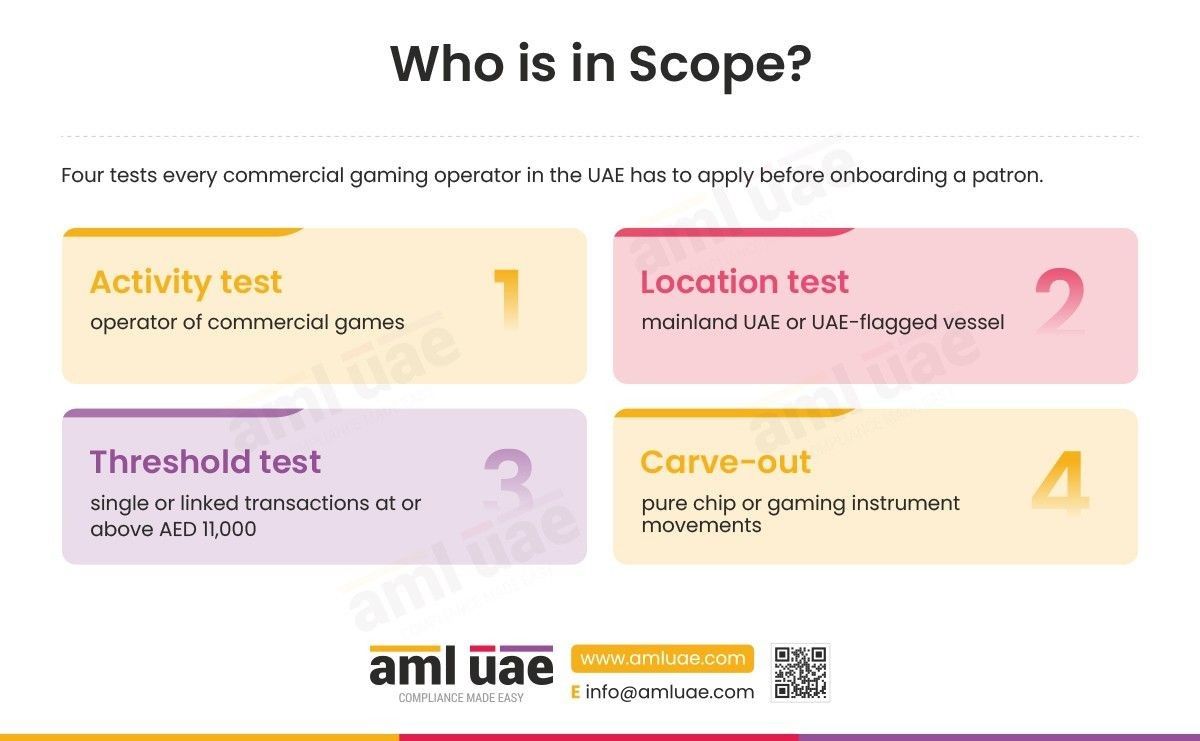
The role of shell companies in money laundering

The role of shell companies in money laundering

Table of Contents

Protect your business with reliable and effective AML strategies with AML UAE.

Shell companies are a preferred avenue for financial criminals to hide their crimes. These include money laundering, fraud, evading sanctions, escaping taxes, and many others. To protect yourself from these risks and prevent shell companies from exploiting your business, you need to apply proper AML measures. In this article, let’s understand the role of shell companies in money laundering and other financial crimes.  

The world of shell companies is based on committing the crime and staying undetected. Shell companies are also known as ghost companies. That means they are the vehicles used in the second stage – layering – of money laundering. Layering allows criminals to disguise the origin and place of dirty money. Thus, you must have enough AML measures to prevent the risks of shell companies in money laundering.  

Worried about the risks of shell companies in money laundering?

Contact us to prevent shell companies from exploiting your business.

What are the risks of shell companies in money laundering?

What is a shell company?

A shell company is a company without any physical presence and assets. It is not active in business operations. No services provision. No sale of goods. Moreover, it does not have any significant assets. That is why it is a great technique to hide a firm’s ultimate and real beneficial ownership. Criminals form shell companies to conduct illicit business transactions. 

Shell companies are characterised by:

  • Lack of physical presence 
  • No income 
  • No employees 
  • Occasionally hold bank accounts and investments 
  • Inactive 
  • Complex ownership structure 
  • Nominee directors and shareholders 

Are shell companies legal?

Yes, shell companies are legal even if they are inactive. An individual can form a new company to hold some assets. The newly formed company holds the asset, and that’s its only purpose. It remains inactive and does not conduct sale or purchase transactions.  

What are the legitimate and illegitimate uses of shell companies?

Shell companies and their legitimate use cases

  • To invest in various countries 
  • To raise funds from the international market 
  • To prevent tax lawsuits on assets 
  • To hold funds 
  • To hold assets like bonds, real estate, stocks, etc. 
  • To protect intellectual property rights 
  • To employ tax planning strategies 
  • To facilitate mergers and acquisitions 

Shell companies and their illegitimate use cases

  • To hide dirty money earned from illegal activities 
  • To conceal the identities of beneficial owners 
  • To evade taxes by hiding income in a shell company in a different jurisdiction 
  • To conduct fraud, scam, or a crime 
  • To store washed funds in the shell company’s accounts 
  • To hide assets during mergers and acquisitions or divorces to avoid sharing with others 
  • To finance and exchange dual-use goods with other shell companies, leading to the proliferation of financing 
  • To provide phantom services by raising invoices for services that were never rendered 

The impact of shell companies

  1. Money laundering, terrorist financing, drug trafficking 
  2. Tax evasion 
  3. Market manipulation 
  4. Unfavourable conditions for legitimate businesses 
  5. Fraud 
  6. Corruption 
  7. Illegal payments 

What is the difference between shell, shelf, and front company?

Shell companies have no business activities, significant assets, or employees. They exist on paper but not physically. They are not illegal corporations, but companies use these structures to conduct illicit transactions like money laundering, tax evasion, and concealing beneficial ownership, as well as for legitimate purposes. Trust companies use shell companies as trustees. Companies use shell companies to evade taxes through transfer pricing strategies.  

Shelf companies are incorporated companies. They can or cannot have customers but stay dormant for years with no business activities. The secretaries, shareholders, and directors of a shelf company are inactive.  

A front company is a legal business – a fully functioning company. However, criminals use front companies to hide their illegitimate financial transactions.  

Why are shell companies vulnerable to money laundering?

Shell companies’ vulnerability to money laundering is due to the following reasons: 

Anonymity

The most significant characteristic of shell companies is their anonymity. It keeps the identity of beneficial owners secret and private. This is possible because shell companies are constructed in less-regulated or tax-haven countries. These countries have no mandatory requirements for the disclosure of structure, and shareholding. You can move funds from one country to another without divulging any transaction and ownership details. This is the feature that money launderers leverage to conduct crimes.  

Low cost and easy company formation procedure

Another characteristic that makes shell companies susceptible to money laundering is the low cost and ease of formation. You don’t need to spend much money on its establishment and operations. Moreover, their setup does not involve many steps or hassles of approvals and documentation. Such ease and less-costly company structuring enable money launderers to opt for shell company formation. 

No physical presence

Shell companies do not have a physical presence. They exist only on paper. So, you will find it challenging to trace the company’s whereabouts. This is also one of the reasons why their vulnerability to financial crimes is high.  

Relaxed regulatory rules

Offshore destinations with relaxed rules are preferred destinations for shell companies. These jurisdictions do not restrict a business’s and its owners’ confidentiality, privacy, and anonymity. Strong bank secrecy rules, strict privacy laws, and relaxed regulatory standards make a country a preferred hub for shell companies.  

Superrich use such shell structures to hide their wealth because of relaxed regulations. Also, the creation of shell companies involves fewer regulatory investigations and checks. The absence of or minimal reporting requirements attracts criminals who use shell companies to commit crimes. Even low or no corporate tax rates make a jurisdiction a preferred destination for shell companies.  

A confusing network of several shell companies in different jurisdictions

The network of multiple shell companies in different jurisdictions benefits money launderers. Such a complex network lets one create a chain of several transactions. This structure makes tracing funds’ ownership, source, and destination difficult. Regulatory and investigating authorities have to handle too many jurisdictions and their laws. Also, collaboration between authorities in so many jurisdictions is a big concern. Some jurisdictions might have a vested interest in such schemes, so they don’t help in investigations.  

Worried about the risks of shell companies in money laundering?

Contact us to prevent shell companies from exploiting your business.

How do shell companies launder money?

Criminals set up a shell company, invest their proceeds of crime into it and then move funds to their own account by using fake invoices.

Red flags of financial crimes by shell companies to exploit your business

Since shell companies’ risk in money laundering is high, you must be vigilant about their activities. One way of doing that is learning about the red flags of customers’ illicit behaviour. These are the warning signs of suspicious transactions using shell companies. So, you must be aware of these red flags to spot suspicions at the right time and stop the transaction. These red flags include the following: 

  1. Atypical directorship in companies  
  2. Dubious addresses of companies 
  3. Mass registration of many directors, shared names, or addresses indicates the involvement of many shell companies.  
  4. Dormancy of a company for a few years and a sudden rise in presence with a spike in revenues 
  5. Too young or too old beneficial owners like five years or more than 100 years 
  6. Circular ownership of several companies with each other to hide beneficial ownership 
  7. Dubious addresses as address proof of entities 
  8. A mismatch between the company’s registration jurisdiction and the directors’ residency or nationality, specifically involving high-risk jurisdictions 
  9. The home jurisdiction of the shell company is a sanctioned or terrorist country or one with weak AML and other regulatory controls 
  10. Some odd financial anomalies 
  11. Ultimate beneficial ownership is significantly different from the expected 
  12. The company has not undertaken any real business activities 
  13. The formal nominees mentioned for the company are nominated agents for many shell companies 
  14. The nominees are generally the spouses, children, or relatives who do not contribute to the enterprise’s operations 
  15. The shell company conducts many transactions, but none generates income 
  16. It does not contribute to taxes, social benefits, and employee benefits 
  17. One party is the origin and destination of financial benefits in the case of international funds transfer, or the transaction is between two different businesses, but they have the same registration address 
  18. The unnecessary creation or involvement of representative offices or similar delegation services  
  19. Cash transactions, different from the usual payment mode used  
  20. Account signatory executes a large transaction but with no controlling interest in the assets or company 
  21. Involvement of family members in business transactions with no legal business purpose 
  22. Private third parties provide loans, but there is no supporting agreement, interest repayments, or collateral 
  23. Doubtful and questionable relations between parties with no clear explanation by the customer 
  24. Unusual transactions considering the client’s profile, business model, or previous transactions 
  25. The origin and destination of transaction funds involve a foreign jurisdiction with no justified linkage with the client 
  26. The business account used for a transaction is also used for personal transactions like buying assets or other reasons with no linkages to the client’s profile 
  27. Involvement of two or more parties in a transaction with no apparent reason or legal rationale 
  28. Finance from a lender – an individual or a company – without any commercial reason or justification 
  29. Goods or services transacted do not correspond to the sender or receiver’s business profile 
  30. The unwillingness of the party to disclose information on the transaction 
  31. Transactions involving beneficiaries from offshore or high-risk jurisdictions 
  32. Transactions with fake invoices having a shell company’s name as the seller of products 
  33. Complex transactions with multiple layers of buying and selling 
  34. Large volume or value transactions with other ghost companies 

With so many red flags and others, you must keep an open eye on all incoming and outgoing transactions. All these are obscuring the illicit behaviour of the transactions, which you must be aware of. It makes tracing of money laundering and criminals challenging for investigators. However, with proper AML measures and transaction monitoring, you can identify the legal, fair transactions from the illegal, unfair ones.  

How do you prevent shell companies from exploiting your business?

So, now you understand that shell corporations are risky for your business. You must safeguard yourself from these risks to reduce the likelihood of involvement in money laundering activities. You need to be proactive in your efforts to build a resilient business. To protect your business from the risks of shell companies in money laundering, you must apply the following measures: 

KYC

Know your customers. It is a critical way to prevent shell companies from exploiting your business. You must know all the details about your customers, such as: 

  • Business name 
  • Registered business address or residential address 
  • Email address and contact number 
  • Business license number 
  • Nature of business  
  • Business type and structure 
  • Business details like board of directors, date and place of establishment, and annual report 

You must collect proof of all these details. The documentary proof helps you verify your client’s identity. You can identify if your customer is a shell company or not.  

Due diligence

KYC is a fundamental way of knowing your customers. Due diligence involves more intense scrutiny. You must investigate your customers’ funds and wealth further. This will help you detect any linkage with illegal activities.  

Investigate the following about your customers: 

  • Source of funds 
  • Source of wealth 
  • Beneficial ownership (name, address, relation with the firm, national identity, and other details) 
  • The business structure 
  • Payment methods used 
  • Financial statements 
  • Geographical presence 

All these data points help you understand the customer’s background. You can get confirmation on the authenticity of the company’s business operations and business owners, customers, and suppliers. Investigating beneficial ownership and background helps you understand whether the client is a shell company created for illicit reasons. Once you know the beneficial owners and risks associated with them, you can examine any probable involvement of shell companies.  

Customer Risk Assessment

Once you manage to conduct KYC and CDD, you have a decent amount of information on your customers. Now, you can manage to create risk profiles of your customers. Based on this risk profiling, you can categorise customers as high, medium, and low risk.  

The risk profile includes rating your customer based on the risks from their products/services, geographical presence, delivery channels, and transactions. If the customer is high-risk, you need to be more cautious.  

Transaction monitoring

Monitoring shell company transactions is necessary to spot suspicions. By checking transactions, you can spot any shell company’s participation in financial crimes. For this, you must look at the transactional patterns or irregularities in customer behaviour. Also, keep a check on the value and volume of transactions. Lack of transparency or unwillingness to disclose identity or transaction details is a typical red flag of shell companies.  

So, awareness of the red flags of shell companies’ involvement in money laundering is essential. The section above contains warning signs you must be wary of when detecting shell companies’ involvement in illicit transactions.  

Technology solutions

Use technology solutions to perform your business’s AML and risk management strategies. These solutions have the latest advanced technologies, such as the following: 

  • Artificial intelligence 
  • Data Analytics 
  • Blockchain technology 
  • Machine learning 
  • Data mining 

All these technologies help you with accurate sifting and analysis of data. They help you analyse loads of data to verify customers’ identities. These technologies can identify patterns and behavioural characteristics matching potential red flags. Thus, you can identify suspicious transactions and customers linked to shell companies.  

The best part about AI is that it adapts over time to new rules. When new money laundering tactics emerge, or risks evolve, you can update your solution to these new rules. Thus, you can put up an intense fight against money laundering through shell companies. You can devise strategies against the risks of shell companies in money laundering and prevent them from exploiting your business.  

AML compliance program

To prevent shell companies from exploiting your business, you must take a risk-based approach to your AML compliance program. You must develop specific policies, procedures, and internal controls for your business. This framework depends on industry-specific risks and shell companies’ role in money laundering.  

Your framework must include KYC, CDD, and transaction monitoring. It involves continuous monitoring of risks from customers and their transactions. Knowing the risks allows you to take relevant action and stop your business’s exploitation. You must also monitor these AML programs on an ongoing basis to make improvements that bring you closer to AML compliance in UAE.  

Training

Training of frontline employees and compliance teams goes a long way in countering ML/TF risks emanating from shell companies. The training programs should revolve around the identification of UBOs, known red flags, and known ML/TF typologies.  

All these measures help you know who you are dealing with. Thus, you are aware of the risks from your customers and suppliers. Based on your risk appetite, you can decide whether to form a business relationship and transact with them. These measures help you stay vigilant against the risks of shell companies in money laundering.  

If you apply these proactive AML efforts, you can detect the illegal network of shell companies that launder dirty money. Thus, these measures help you prevent shell companies from exploiting your business. You can improve the financial system’s integrity and comply with AML regulations 

AML UAE – your partner for professional AML consulting services

AML UAE can help you design and implement customised solutions to prevent shell companies from exploiting your business. Our AML initiatives strengthen your fight against shell companies and reduce their threats. We can help you: 

  • Know your clients better 
  • Conduct due diligence checks on them 
  • Monitor their transactions on an ongoing basis 
  • Assess risks from shell companies 
  • Design appropriate AML compliance programs 
  • Select and implement the right technology solutions for your business 
  • Conduct training to strengthen your team against ML/TF risks posed by shell companies 

All these measures reduce the risks of shell companies to your business. Thus, with AML UAE’s help, you can prevent shell companies from misusing your business to conduct money laundering activities.  

Enhance your defence against financial crimes,

With AMLUAE’s initiatives to prevent the risks of shell companies
in money laundering.

Share via :

Add a comment

About the Author

Pathik Shah

FCA, CAMS, CISA, CS, DISA (ICAI), FAFP (ICAI)

Pathik is an ACAMS-certified AML consultant specialising in governance, risk, and compliance for regulated entities in the UAE. He brings over 28 years of experience, with 1,000+ hours of AML training and 200+ advisory engagements across DNFBPs, VASPs, and FIs. He supports businesses in aligning with AML/CFT requirements from the CBUAE, DFSA, MoET, MoJ, VARA, CMA, FSRA, and FATF. Known for translating complex regulations into audit-ready procedures, Pathik enables operational clarity and compliance readiness.

Reach Out to Pathik
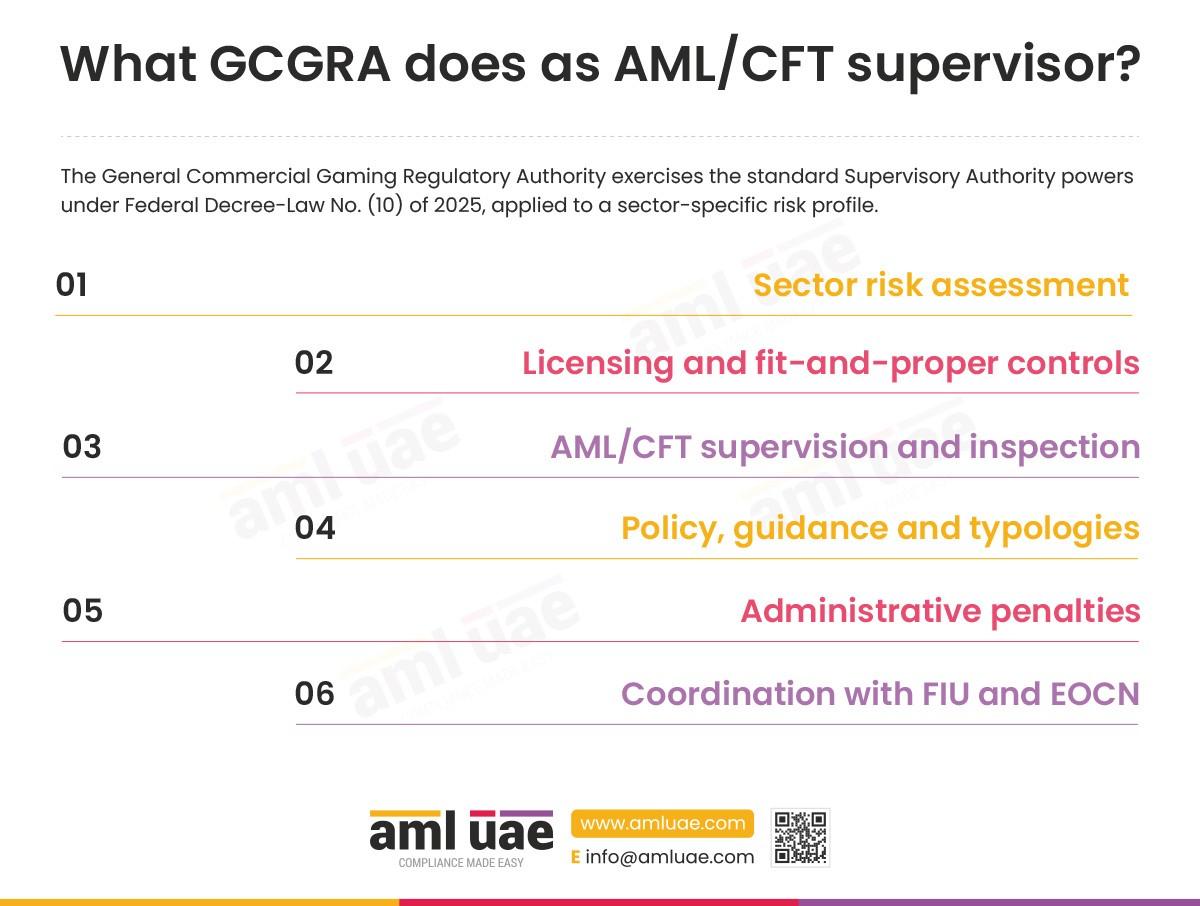
The Risk-Based Approach in Anti-Money Laundering Compliance

Step-by-step implementation of Risk-Based Approach

The Risk Based Approach to AML: Anti-Money Laundering Compliance

Table of Contents

Protect your business with reliable and effective AML strategies with AML UAE.

The Risk Based Approach to AML: Anti-Money Laundering Compliance

Money Laundering and Terrorist Financing are global threats. Governments across the globe have framed laws and regulations to counter Money Laundering (ML), Terrorist Financing (TF) and Proliferation Financing (PF). The regulated entities are obligated to employ their resources to fight financial crimes. For any business, resources are always scarce, and hence they would want them to be employed efficiently. That is where the Risk Based Approach to AML compliance comes into play and helps businesses deal with financial crimes efficiently.  

Definition of Risk Based Approach (RBA):

The Risk-Based Approach (RBA) is basically the effective deployment of controls to counter the most significant ML/TF/PF risks a business is exposed to. It takes into account various risk factors, their likelihood of occurrence, impact, controls in place, and the risk appetite of the management to keep ML/TF risks at an acceptable level. Every business has its own risk-bearing capacity, and in AML compliance, it becomes essential to adopt a Risk-Based Approach in order to tackle ML, TF, and PF. Further, under an RBA, there is no such thing as ZERO risk, but it offers the most effective way to counter the risks. EDD for high-risk customers, determination of sample size by AML auditors, cash transaction thresholds, customer acceptance and customer exit policies are some of the common examples of having taken a risk-based approach.

Before going into detail about compliance requirements for a Risk-Based Approach under the UAE’s AML/CFT regulations, let us understand what a Risk-Based Approach in the AML realm means.  

What is a Risk-Based Approach in Anti-Money Laundering (AML)?

Risk Based Approach: Meaning

The UAE 1: Federal Decree by Law No. (10) of 2025 Regarding Anti-Money Laundering, and Combating the Financing of Terrorism and Illegal Organisations required Fis, DNFBPs, and VASPs to take a Risk-Based Approach to counter money laundering and terrorist financing risks. 

The Risk-Based Approach (RBA) helps reporting entities effectively identify, assess and tackle ML/TF/PF risks. Financial Institutions (FIs), Designated Non-Financial Businesses and Professions (DNFBPs), and Virtual Asset Service Providers (VASPs) should apply appropriate measures and procedures commensurate with the risks of money laundering, terrorist financing, and proliferation financing. The Risk-Based Approach enables the reporting entities to apply their efforts optimally to mitigate ML/TF/PF and sanctions risks. The RBA provides the risk-sensitive application of AML/CFT measures. Accordingly, companies are able to apply the principle of “higher the risks, higher the controls”.  

The application of the Risk-Based Approach helps firms decide on the degree, frequency, or intensity of the ML/TF/PF/ controls. 

Enforcement of cash thresholds by entities to mitigate ML/TF risks is one example of a risk-based approach. Other examples of RBA include EDD for high-risk customers, ML/TF independent audits, etc.

Step-by-step implementation of Risk-Based Approach in AML

RBA requires proper implementation of controls for an AML program to be successful. For an effective RBA process, all steps must be looked into and implemented correctly. The following is the step-wise process that DNFBPs should undertake for taking a Risk-Based Approach to compliance: 

1. Risk Identification:

In identifying the ML/FT and PF risks to which DNFBPs are exposed, they should consider various internal and external factors such as the nature of business, product, services, risks associated with each customer, geography, especially high-risk jurisdictions and distribution channels. This step becomes a base for risk assessment, as DNFBPs are supposed to conduct risk assessments based on the factors identified to evaluate the emerging and relevant ML/FT and PF threats. 

2. Risk Assessment:

It forms the basis of the DNFBP’s RBA for the development of policies and procedures to mitigate ML/TF risk, reflecting the risk appetite of the institution and stating the risk level deemed acceptable

Step-by-step implementation of Risk-Based Approach

This step enables DNFBPs to understand the possibilities of risk materialising and the impact thereof.  

3. Controls Enforcement:

This step includes formulating mitigation measures, which would help DNFBPs to bring down ML/FT and PF risks within the risk appetite of the entity. Under this step, DNFBPs identify control measures and further include them for defining governance structure and framing AML policies DNFBPs must also assess and ensure the control effectiveness to counter ML/TF risks. 

4. Residual Risk:

It is necessary for DNFBPs to compare the risk profile to risk controls to measure the effectiveness of control measures against risk. This step requires identifying risk that remains after efforts have been made to reduce the inherent risk. The residual risk is also known as net risk. 

Residual Risk = Inherent Risk – Controls 

5. Risk Appetite:

After residual risk is identified, it is vital to compare it to determine whether it meets the risk acceptance level set out in the risk appetite. Risk appetite is set at the early stage, which defines the amount and type of risk that is accepted. As a forward-looking concept, it helps in assessing the residual risk an organisation can accept. 

6. Take Additional Measures:

After residual risk is identified, it is vital to compare it to determine whether it meets the risk acceptance level set out in the risk appetite. Risk appetite is set at the early stage, which defines the amount and type of risk that is accepted. As a forward-looking concept, it helps in assessing the residual risk an organisation can accept. 

Detect and Deter ML/FT and PF risk

With the help of our expert AML team

Principles of The Risk Based Approach to AML Compliance

Acceptance of the existence of risk is the first thing that actually matters when it comes to the principles of the RBA to AML compliance. A risk assessment should be carried out according to the intensity of risk, the risk assessment process should be examined, and the compliance process should be applied. 

Inherent Risk:

The gross riskis the risk an entity is exposed to before putting any AML/CFT controls in place. 

Residual Risk:

The residual risk is the risk the reporting entity assesses once AML/CFT controls and measures are put in place. 

According to the principles of a Risk-Based Approach, controls need to be aligned with the risks involved. The risk-based approach requires an entity to focus more on the risks that can have a higher impact.  

For instance, the Customer Due Diligence (CDD) Process for Politically Exposed People (PEPs), which undoubtedly belongs to a high-risk profile, will remain insufficient if Enhanced Due Diligence isn’t carried out for them.  

In addition, business enterprises must continuously monitor, analyse, and interpret their pool of data that falls within the scope of anti-money laundering compliance.  

The manual monitoring of a business relationship is impractical when the transaction volume is high. Therefore, the regulated entities may resort to transaction monitoring software which can help them identify suspicious patterns in customer’s transactions and help them investigate the cases further and submit SAR/STR depending on the facts of the case.

Importance of Risk-Based Approach in Anti-Money Laundering Compliance

The risk appetite and risk-bearing capacity differ from one company to another. Therefore, following the same AML process for each enterprise or individual will not fetch healthy results. 

Besides that, the risk-bearing appetite of the companies from the same industry also differs because the management style isn’t uniform everywhere.  

Here is when the need for and importance of a Risk-Based Approach come into the picture. With the help of a Risk-Based Approach, companies from various business sectors can create an anti-money laundering framework that helps them fight ML/TF effectively.  

The Traditional Tick-Box Approach vs. Risk-Based-Approach

Prior to the evolution of RBA, financial institutions (Fis) and DNFBPs were employing a tick-box approach to manage their AML compliance requirements. Under the traditional tick-box approach, merely going through a set of uniform AML standards was assessed and satisfied. However, with the changing financial landscape and advancement of technology, the Financial Action Task Force (FATF) presented the concept of RBA.  

The following is an analysis of the traditional tick-box approach vs. the Risk-Based Approach on different factors: 

Criteria  

Tick-Box Approach 

Risk-Based Approach 

Flexibility  

It is an inflexible approach as a set of compliance requirements without considering underlying unique aspects of risk. 

It is a flexible approach as it leaves the possibility to consider the unique risk profile and make it more adaptive.  

Efficiency  

In terms of efficiency, there is no scope to change and make it adaptive to new changes and risks, thus making it an inefficient approach.  

It is dynamic and adaptable, which allows efficient use of resources in combating ML/FT and PF risks, thus increasing the efficiency of AML measures.  

Resource 

This measure follows a resource-intensive approach for applying AML measures. It requires extensive manual effort and time to complete. Thus, for efficient measures, this approach can take up a lot of resources, leading to an increase in financial burden as well. 

This allows for smarter allocation of resources by focusing efforts on areas of higher risk, optimising efficiency, and enhancing effectiveness in identifying and mitigating risks. It also fosters a more dynamic and targeted approach to AML compliance. 

Effectiveness  

It is a superficial approach that only addresses surface-level aspects of AML compliance and disregards associated risks.  

It is an effective approach that focuses on in-depth learning, understanding new risks, and implementing measures accordingly.  

Prioritising  

This works by taking a one-size-fits-all approach to every risk, leaving little room for risk prioritisation 

This approach prioritises risk by incorporating a tailored method for each risk according to its impact and probability. 

Proactiveness  

It is an active approach for AML measures by working in a manner that follows standard policies without being open to the risk that requires a proactive approach.  

It is a proactive approach to compliance by entailing measures for identifying, assessing, and controlling risks.  

UAE AML/CFT Laws and FATF Recommendations Around Risk-Based Approach

What is the reasoning behind implementing a risk-based anti-money laundering approach?

The UAE has adopted effective AML laws to combat financial crimes, including ML, FT, and PF. The regulatory framework in the UAE includes federal laws that are aligned with international standards set out by the Financial Action Task Force (FATF). 

Within UAE’s legal regime, it has implicitly adopted RBA to AML compliance to understand ML/FT and PF risks and implement appropriate measures. Furthermore, Anti-Money Laundering and Combating the Financing of Terrorism and Illegal Organisations Guidelines for Designated Non-Financial Businesses and Professions mandate DNFBPs to implement RBA to identify, assess and understand ML/FT and PF risks and further take the most appropriate mitigating measures.  

The RBA framework is also based on FATF recommendation no. 1, which lays down the principle of applying RBA to assess and adopt measures for ML/FT and PF risks. 

Primary Elements of a Risk-Based Approach in AML Compliance for DNFBPs and VASPs

The following is the list of primary elements of a Risk-Based Approach in AML compliance for DNFBPs and VASPs: 

Primary Elements of a Risk-Based Approach in AML Compliance for DNFBPs and VASPs

ML/FT Enterprise-Wide Risk Assessment

ML/FT Enterprise-Wide Risk Assessment (EWRA), also known as Business Risk Assessment, is a key pillar of the RBA. It is an enterprise-level risk assessment that plays a pivotal role in combating ML/FT and PF risks.  

EWRA is a process of identifying all external and internal risk factors such as products, services, transactions, delivery channels, customers, geographies, technology, etc, and further assessing their impact, exploring ways to mitigate, and controlling and monitoring associated risks. 

Assessing the risk at the enterprise level helps in formulating a comprehensive and better AML framework. 

AML/CFT Policy and Procedures

AML/CFT policies and procedures are the foundational documents that outline an entity’s approach to preventing, detecting, and mitigating ML/FT and PF activities.

These documents provide guiding principles to compliance officers and employees regarding their responsibilities to ensure compliance with AML/CFT regulations and the actions required.  

These policy documents cover a wide range of areas under the AML framework that include CDD, transaction monitoring, reporting activities, and risk management. 

The policies and procedures detail the actual implementation of RBA within an organisation. What it perceives as an ML/TF/PF risk and the commensurate controls to counter it.  

With effective AML/CFT policies and procedures, DNFBPs can establish an effective AML/CFT framework within their organisation to counter financial crimes, including ML/FT and PF. 

KYC and Customer Due Diligence (CDD)

Know your customer, and the customer due diligence processes are carried out in order to identify who the customers really are and to further verify their identity and the nature of the businesses they engage with.  

These procedures are one of the most fundamental building blocks of efficient and effective anti-money laundering compliance management. Within the scope of these procedures, you can assess and determine the level of risks associated with the customer and then take necessary actions to mitigate those risks.  

Assessing the risk level of your customers accurately is an undeniable prerequisite for the Risk-Based Approach. However, without accurate customer due diligence, it is difficult to analyse risks posed by a customer.  

Sanctions Screening

Sanctions screening aims to restrict dealings with persons involved in illicit activities. For this purpose, an entity is required to screen names against sanction lists maintained by governments, international organisations, and regulatory authorities.  

DNFBPs, by conducting sanctions screening, can efficiently identify and prevent dealings that are against the regulatory framework and can also demonstrate adherence to the compliance requirements. 

As per UAE AML Regulations, DNFBPs and VASPs are required to conduct screening against the UNSC Consolidated List and the UAE Local Terrorist List.  

If the regulated entity deals with foreign countries, it can adopt a Risk-Based Approach and consider other relevant sanction lists for screening purposes. 

PEP Screening

PEP screening means screening customers to identify if they are politically exposed persons (PEPs) or are related to a person identified as PEP. PEPs pose a high risk to DNFBPs because of their prominent position, which can be misused for illicit activities like corruption and financial crimes.  

This measure involves screening customers against a PEP database to assess the nature and extent of their political exposure. 

PEP screening helps to implement RBA and a better risk assessment process, which enhances the ability to take appropriate risk mitigation measures like Enhanced Due Diligence. 

Adverse Media Screening

Any negative news about an individual customer or a business enterprise can broadly impact the decision to enter into a business relationship with them.  

Plus, keeping an eye on such news is the best way to protect your organisation from any potential risks that might come when dealing with clients with high-risk profiles.  

Adverse Media Screening helps a reporting entity adopt a Risk-Based Approach effectively and fight ML/TF risks. 

Anti-money Laundering Transaction Monitoring

The regulated entities conduct CDD and risk assessments while onboarding the customer. This helps them understand the customer profile and the expected nature, volume, and frequency of transactions.  

If the actual transactions with customers are not monitored, the risk-based approach adopted by the entity fails. What if the customer is transacting beyond his means?  

Regulated entities implement transaction monitoring software which help them segment their customers based on various attributes like age, gender, nationality, turnover, size of business, etc. and frame rules to identify and investigate exceptions.  

The system then monitors transactions and generates alerts when it finds a suspicious transaction. 

Risk based transaction monitoring helps in suitably changing customer profiles and the risks associated with them, and it helps implement RBA in its true sense.  

AML Compliance Officer

The DNFBPs and VASPs in UAE are required to designate a competent person as the company’s compliance officer. The compliance officer is responsible for AML/CFT program management, imparting AML/CFT training, and submitting regulatory reports on the goAML portal.  

The AML Compliance Officer is the human arm of the Risk-Based Approach. The compliance officer adds the human element to RBA and changes the approach to fighting ML/TF according to the risks involved.  

Thus, an AML compliance officer is an integral part of the implementation of the Risk-Based Approach. 

Independent Audit

An AML independent audit is a comprehensive review of the AML program by an external party who is not involved in the operations of the business. The purpose of conducting an AML independent audit is to outline the effectiveness of the AML program, identify gaps for non-compliance and provide recommendations for improvement. 

This measure helps maintain the transparency, integrity, and credibility of DNFBPs in the AML efforts. An external AML audit is an integral part of the RBA adopted by the regulated entity. 

Monitoring and Review

When an entity establishes business relationships with persons, it is required to conduct ongoing monitoring to address any evolving risks and changes in the compliance framework. Monitoring and review are ongoing processes of RBA in AML that continuously assess the effectiveness of the AML compliance program.  

Monitoring measures involve regular surveillance of customers, their transactions, and activities to detect any suspicious activity or unusual behaviour that may indicate potential ML/FT and PF activities.  

The review measures include periodic evaluation of the AML framework to identify changes in risk patterns, determine the capacity of control measures in combating financial crimes, and observe areas for improvement.  

By undertaking these measures, DNFBPs can proactively address compliance gaps and areas for improvement and, based on such evaluation, enhance their risk management capabilities.  

Challenges in Implementing a Risk-Based Approach

Difficulty in Identifying Risk Factors

The complexity of identifying and categorising risk factors makes it difficult to implement RBA within the AML framework. Additionally, the realm of the financial landscape keeps changing due to new trends in criminal activities, making it more difficult to identify risk. 

Difficulty in Assessing ML/TF and PF Risks

RBA requires an accurate assessment of ML/FT and PF risks. However, the assessment of ML/FT and PF risks requires knowledge about the financial landscape, known ML/TF/PF typologies, FATF recommendations, National Risk Assessment (NRA), transactions and patterns, which makes it difficult to assess. 

Challenges in Implementing a Risk-Based Approach

Difficulty in Assessing the Effectiveness of Controls

The application of AML measures requires continuous updates and monitoring due to the dynamic nature of the business. This requires continuous changes in control measures, thus making it difficult to assess the effectiveness of control measures. Further, the effectiveness of the control measures is measured by the quality of their implementation than the quantity. This adds a layer of subjectivity to the overall assessment. 

Difficulty in Identifying Risk Appetite

It is a crucial step of RBA to establish an accurate Risk Appetite Statement that lays down the level of risk an entity is willing to accept. However, it becomes difficult to identify risk appetite due to the changing landscape and the involvement of multiple parameters 

Lack of Expertise

The application of RBA is technical, and it requires knowledge of the business and existing and emerging ML/TF/PF risks and their patternsDNFBPs face challenges here due to their small size and the unavailability of competent persons internally.  

Top Management Support

RBA requires taking proactive action to combat ML/FT and PF risks and top management’s support is vital as various actions require approval from senior management, which at times can be difficult. Unavailability and resistance to change from top management makes it difficult for businesses to take proactive measures. 

Consistency in Risk Assessment Methodologies

Consistency is utmost important while adopting RBA for risk management. It helps staff stick to a uniform procedure. However, for a growing organization, changes in products, services, and technology are constant variables. This leads to inconsistency in applying RBA.  

Handling Customer Experience

RBA requires taking stringent measures to implement an effective AML framework within the organisation. These measures include undertaking enhanced due diligence and monitoring, which may cause inconvenience to customers who are not involved in any illicit activities. It is thus difficult to find a balance between mitigating AML risks and positive customer experience.  

Lack of Budget

RBA is a detailed process that requires expert knowledge and resources for effective implementation. However, such measures need budgetary support, which could be difficult for small organisations.  

Continue your AML compliance journey smoothly with handholding

from an AML expert.

Building a Robust AML Compliance Framework using RBA

Crafting an effective AML compliance framework using RBA is important to detect and deter financial crimes, including ML/FT and PF.  

Here is the list of elements required for building a robust AML compliance framework using RBA:  

Building a Robust AML Compliance Framework using RBA

Establishing a Strong AML Culture

The AML compliance culture means shared values, practices, and behaviours within a business workplace that prioritise adherence to the AML regulatory framework.  

With a strong compliance culture, businesses can efficiently and consistently employ a risk-based approach. 

Training and Awareness Programs for Staff

Compliance officers and staff need to carry out responsibilities in the AML/CFT framework for successful compliance with the AML regulatory requirements. An AML compliance framework incorporates a training program tailored to staff based on their role and responsibilities. Further, in order to have effective AML governance, DNFBPs must undertake periodic and up-to-date training program activities and maintain training records. 

With such AML training programs, employees can easily understand ML/FT and PF risks and, therefore, employ measures required to fight such risks. This goes a long way in implementing the RBA in the regulated entity.  

Customer Identification and Verification

To ensure compliance with KYC and CDD requirements, customer identification and verification systems are necessary. Customer identification and verification systems come with liveness checks, two-factor authentication, and checks for the authenticity of ID documents. Such systems help adopt a Risk-Based Approach and determine if the customer is acceptable, considering the company’s customer acceptance policy.  

Transaction Monitoring

Transaction monitoring helps identify transactions that do not align with the customer’s profile or expected business activities. There are transaction monitoring tools available to identify suspicious patterns and put transactions on hold until the compliance team investigates them and decides if there is a requirement to submit SAR/STR.  

By employing transaction monitoring tools, DNFBPs can take a Risk-Based Approach and decide if EDD is required, customer offboarding is necessary, or the system generates a false alert.

Record-Keeping

Under the UAE AML/CFT Laws, regulated entities are required to keep all AML/CFT records for a minimum of 5 years. The ADGM and DIFC-based entities are required to retain records for 6 years.  

The record-keeping serves as evidence of having taken a Risk-Based Approach.  

Reporting Structure

An effective reporting structure is required for better implementation of the AML framework to combat ML/FT and PF risks. DNFBPs must maintain records and develop a reporting system in their AML governance program.  

This measure must include systems for maintaining data on the number of customers rejected, terminated relationships, transactions monitored, and alerts generated, as well as systems for reporting suspicious transaction reports and suspicious activity reports STRs/SARs via the goAML system.  

Periodic AML/CFT compliance reporting to top management helps management take a Risk-Based Approach and determine if they need to put in more resources to counter ML/TF risks or tweak AML/CFT policies and procedures to align them with their risk appetite.  

Internal Controls and Risk Management

Internal Controls and Risk Management processes help fight ML/TF. The nature and extent of such internal control mechanisms differ from business to business, depending on the entity’s risk appetite and risk-based approach. 

Technological Support

Technology has made life easy for DNFBPs and criminals as well. To counter technologically driven criminal activities, the AML compliance framework should leave space to employ technologically driven tools.  

It also helps enhance AML compliance by quickly analysing vast quantities of data to detect suspicious patterns and anomalies that might indicate the happening of ML, FT, or PF activity.  

How Does the Risk-Based Approach Work in AML?

The Risk-Based Approach works differently for every business as no two businesses are the same, and so are the risks. It essentially boils down to the risk appetite of the regulated entity and what they think is an acceptable risk.  

There is no concept like ZERO risk in business. Risk management is resource-intensive, and businesses have to control their costs. However, they also need to ensure that the ML/TF and PF are countered and legal requirements are met.  

Regulated entities, therefore, prioritise their risks and enforce controls judicially to maintain risks at an acceptable level.  

Benefits of a Risk-Based Approach to AML

Resource Optimization

Risk-based approach to compliance focuses on allocating resources based on risk assessment and its impact on the regulated entity. It’s a need-based resource allocation which optimises resource utilisation and saves costs.  

Effective in Countering ML/TF

With elaborate steps and a defined approach, RBA  effectively counters ML/FT and PF risks. Furthermore, RBA targets the risk in a structured manner based on its impact. This increases the effectiveness of DNFBPs’ AML efforts. 

Benefits of a Risk-Based Approach to AML

Enhances Customer Onboarding Experience

RBA enhances the customer onboarding experience. It treats each customer in isolation depending on the risks they pose to the business. Low-risk customers undergo simplified due diligence, medium-risk customers undergo standard due diligence, and high-risk customers undergo enhanced due diligence. 

In the case of high-risk customers, the business can also decide to exit the business relationship if the risks are not acceptable as per the risk appetite.  

This enhances the customer onboarding experience as not everyone goes through the stringent KYC and CDD requirements.  

Improved Risk Management

RBA follows a proactive approach to prevent and mitigate financial risks, including ML/FT and PF. Such proactive measures of identifying and managing risks reduce DNFBPS’ exposure to financial crimes and illicit activities. 

Ensures Regulatory Compliance

It is essential for all DNFBPs in the UAE to adhere to the AML/CFT regulatory framework. RBA increases their attention to regulatory outcomes, and activities throughout the business lifecycle. Thus, adopting RBA in their AML framework helps DNFBPs meet their regulatory requirements effectively. 

Strategic Business Insights

RBA is a continuous process that involves risk assessment, policy framework, and the systematic application of mitigation measures. With RBA to AML, DNFBPs gain valuable insights for informed decisionmaking and improving performance. Therefore, RBA enhances flexibility in AML compliance and boosts competitiveness in the market. 

Improved Regulatory Reporting

RBA applies controls based on risk level and focuses on prioritising resources on identified risks. With such a targeted approach, it is easier for DNFBPs to focus on high-risk areas and report suspicious activities with more efficiency and accuracy. RBA, therefore, improves the reporting system, which helps DNFBPs, as well as regulatory authorities, to fight ML/TF risks effectively 

Employee Engagement

Adopting RBA requires the proactive application of measures that require quick decisionmaking for AML policies, implementation, and performance assessment. This fosters employee engagement, which enhances the overall effectiveness of AML measures and promotes responsibility among employees and a compliance culture.

Final words on Risk Based Approach

The UAE AML CFT Law requires FIs, DNFBPs, and VASPs to employ a Risk-Based Approach that is tailored to their business. The controls employed by a reporting entity should be in sync with the risks to which it is exposed. Money Laundering and Terrorist Financing risks differ from organisation to organisation and industry to industry. Therefore, DNFBPs need to assess and understand ML/TF risks associated with each customer, supplier, and third party. 

The adoption of a Risk-Based Approach does not mean that the organisation will be able to eliminate all risks related to financial crime. It only means that ML/TF risks are managed, but the organisation is still vulnerable to various risks that it couldn’t identify and assess. Risks, by their very nature, are dynamic. 

AML UAE provides extensive help and guidance on implementing a Risk-Based Approach. Contact us if you are looking to optimise your ML/TF countermeasures.

FAQs - Importance of a Risk-based Approach

What are the components of a Risk-Based Approach?

The components of a Risk-based approach include risk identification, risk assessment, controls enforcement, residual risk, risk appetite, and additional Measures 

A Risk-Based Approach to KYC means identifying ML/TF risks associated with customers and assessing and managing them through the application of appropriate AML/CFT and KYC controls. 

Simplified due diligence is enough for low-risk customers. Medium-risk customers need to undergo standard due diligence, and high-risk customers must undergo enhanced due diligence.  

Ongoing monitoring refers to continuously reviewing the customer profile and transactions throughout the business relationship. It involves regularly reviewing customer information, transaction patterns, and any relevant changes in risk factors.

The plus side of the Risk-Based Approach is its effectiveness in countering ML/TF, while the cons include the need for accurate risk assessment and identification process. 

The rule-based approach follows the compliance method, which only considers compliance with the regulatory framework. At the same time, a Risk-Based Approach follows a system that focuses on applying measures based on the risk associated with business relationships to counter ML/TF.  

Begin your AML compliance journey with a positive first step.

Contact our team to handle your Ongoing Monitoring.

Share via :

Add a comment

About the Author

Pathik Shah

FCA, CAMS, CISA, CS, DISA (ICAI), FAFP (ICAI)

Pathik is an ACAMS-certified AML consultant specialising in governance, risk, and compliance for regulated entities in the UAE. He brings over 28 years of experience, with 1,000+ hours of AML training and 200+ advisory engagements across DNFBPs, VASPs, and FIs. He supports businesses in aligning with AML/CFT requirements from the CBUAE, DFSA, MoET, MoJ, VARA, CMA, FSRA, and FATF. Known for translating complex regulations into audit-ready procedures, Pathik enables operational clarity and compliance readiness.

Reach Out to Pathik
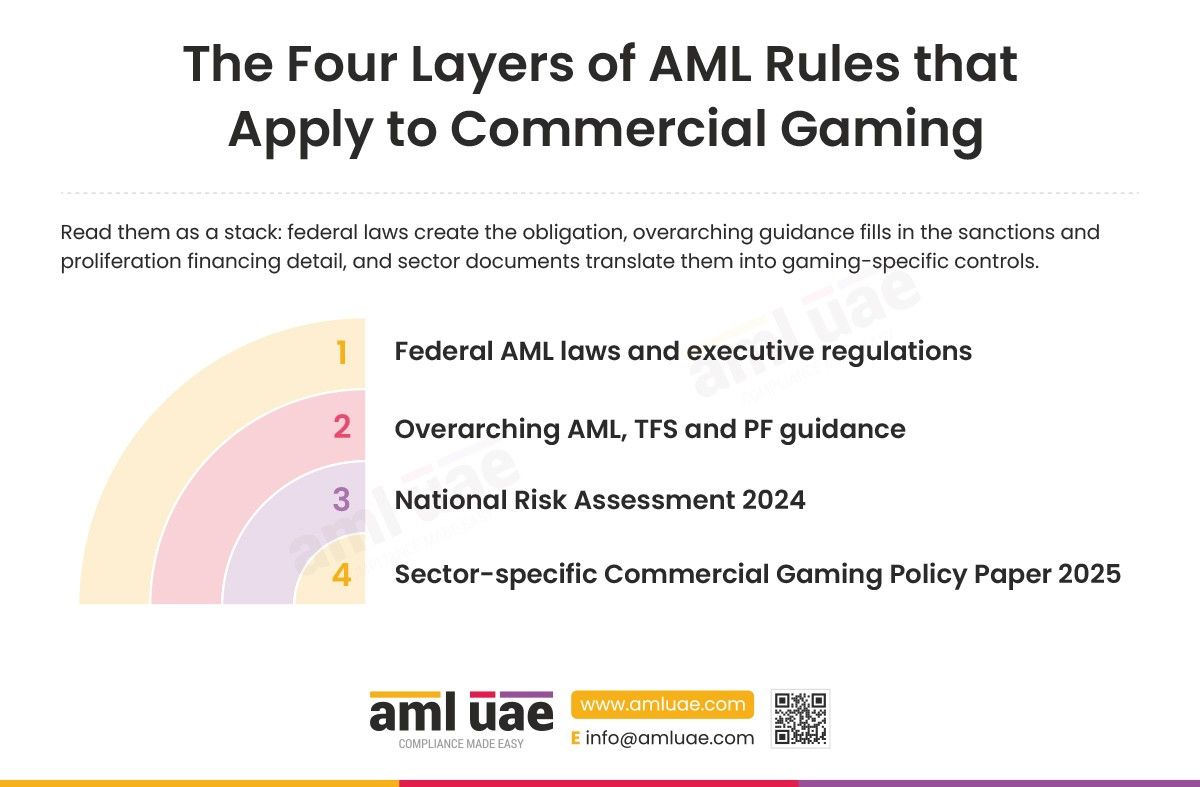
Mitigating ML/TF risks associated with high-net-worth individuals

Mitigating MLTF risks associated with high-net-worth individuals

Mitigating ML/TF risks associated with high-net-worth individuals

Table of Contents

Protect your business with reliable and effective AML strategies with AML UAE.

Mitigating ML/TF risks associated with high-net-worth individuals

The ML/TF risks associated with high-net-worth individuals are high. Their relation to money laundering (ML) and terrorism financing (TF) is two-fold:

  • Fraudsters and criminals target them because of the presence of many opportunities to commit fraud.
  • High-net-worth individuals can themselves engage in illicit business activities; their wealth might be from illicit sources or dirty money.

If you have a high-net-worth individual as a customer, you are prone to money laundering in both cases. So, you must have appropriate AML measures to deal with the risks of high-net-worth individuals. But first, let’s understand what a high-net-worth individual is in AML and the ML/TF risks posed by them.

Worried about dealing with high-net-worth
customers in your business?

Talk to us and discover how to handle the ML/TF risks of high-net-worth individuals.

Risks associated with high-net-worth individuals (HNIs)

Generally, the definition of HNIs varies from industry to industry and within the same industry. However, an individual with a net worth between US$1 and US$5 million is considered a high-net-worth individual. Net worth means a person’s liquid financial assets. If the individual has a net worth of US$5-30 million, they are very high-net-worth individuals (VHNIs). Then there are ultra high-net-worth individuals (UHNIs) with a net worth exceeding US$30 million.

High-net-worth individuals are more vulnerable to money laundering and other financial crimes. The potential threats include:

  • With the digitalisation of transactions, high-net-worth individuals’ transactions are at a higher risk. Cybercriminals access these transactions to change the destination of funds transfers.
  • HNIs might be keeping funds in offshore bank accounts to enjoy the tax savings in that jurisdiction. Also, it helps them transfer funds anonymously or protect illicitly gained assets.
  • As they are HNIs, they have connections with PEPs, other HNIs, and other influential persons. Such connections might force them to take part in or assist with fraudulent transactions or money laundering activities.

In all these cases, you are at risk as a product or service provider to such HNI. So, when you onboard a high-net-worth individual, consider the risks they pose to your business. Your exposure to such risks will increase your vulnerability to money laundering and terrorism financing threats.

Considering the risks, if you do not onboard such HNIs, you will lose big sales and revenues. It will also affect your credibility in the market. It will not have much impact in the short term, but the long-term effects are unavoidable. So, you need to be cautious while dealing with the AML risks of high-net-worth individuals.

Best practices to deal with ML/TF risks posed by high-net-worth individuals

You must implement the following  best practices and AML measures to deal with the risks of high-net-worth individuals:

Maintain a list of ML/TF red flags

The first action you can take is to be aware of the fact that high-net-worth individuals are risky for your business. It does not mean they will indeed cause money laundering or terrorism financing. However, the ML/TF risks are high. So, you must know the potential red flags or warning signs of HNIs’ money laundering activities. Some of these red flags are:

  • Not cooperating in the KYC and due diligence process
  • Providing wrong documents or missing out some information in the KYC process
  • Engaging in financial transfers with unusual patterns, different from their usual transactions
  • Unexplained or erratic customer behaviour while conducting financial transactions
  • Using unrelated or unknown third parties in a transaction
  • Financial activities that don’t align with the HNI’s business
  • Sudden or unexplained large transactions to or from high-risk jurisdictions
  • Providing incorrect information on identity, business, or transactions
  • Too many transactions of buying and selling properties despite financial losses
  • Linkages to business in sectors like gambling, weapons of mass destruction, or arms trade
  • Frequent cross-border transactions in jurisdictions with no relation to HNIs’ business interests
  • A high volume of cash transactions

If you are aware of these, you can take the right action. You can investigate the transaction further to confirm the particulars. If found suspicious, you can report it to the UAE FIU.

Perform Enhanced Due Diligence

HNIs are high-risk customers. Since you know this, you must be ready to implement strict KYC and due diligence on your HNI customers. So, deep research should be conducted on these clients.

Conducting in-depth research on HNI customers’ identities is essential. You must know the following details:

  • Full names with family details
  • All the previous residential addresses
  • Past and present passports held
  • Nationalities and citizenships of different countries
  • Professional background
  • Shareholdings in different entities
  • Utility bills

Focus on finding every possible information on their wealth, funds, assets, and structuring. So, you must collect and verify the following information on HNIs:

  • Origin and legitimacy of their funds
  • Overall wealth (holdings and assets) and their sources
  • Types of assets like properties, salaries, investments, inheritances, dividends, bonuses, and shareholdings
  • Financial statements
  • Identifying their structures’ complexity
  • Presence in opaque and risky jurisdictions

All these data points help you spot suspicious activities or transactions.

Perform name screening

HNIs are hi-fi individuals known to the public. But you must be careful before dealing with them. In addition to due diligence, try every possible method to learn more about them. Conduct a deeper examination of their identities and financial behaviour. Screen them against lists of:

  • National, regional, and international sanctions released by authorities
  • Terrorists or terrorist-funding organisations
  • Politically Exposed Persons (PEPs)
  • High-profile people with links to financial crimes like money laundering, corruption, bribery, etc.

It’s not enough to check only if HNIs’ names are on the list. HNIs might have linkages to people featured in these lists. So, you must also verify those points. Use databases and intelligence tools for any linkages to illicit activities.

Another check that is essential for you is adverse media sources. Check if their names appear in any adverse news related to crimes. Any negative mention of their names in media must be investigated in depth. The issue is that some criminals own such media channels or pay them good money to hide their negative news. They plant more positive news about themselves to paint an optimistic picture. That is why you must have experts working on investigating HNIs.

Examine tax compliance status

Checking high-net-worth individuals’ sources of wealth, linkages to financial crimes, and assets is crucial. But another critical factor that is generally ignored is their tax compliance. You must know about their tax compliance status to decide on their connections with illicit activities.

Generally, criminals use many offshore bank accounts to transfer money from one tax jurisdiction to another. Also, they engage in multiple global money transfers, which is, again, a suspicious activity. They also use structures like trusts, shell companies, and charities to invest, move, and control assets.

Collect necessary data on their tax compliance to understand if they are compliant. Identify any tax evasive strategies they have used in their past or current operating years. Check if they have used shell structures or other opportunities to avoid paying taxes or mitigate tax liabilities illegally.

Ongoing monitoring

You have already conducted KYC and due diligence. However, there is a chance that you will miss some data points or fail to focus on a document. So, ongoing monitoring is essential to prevent any money laundering risks to your business from high-net-worth individuals.

Constant monitoring helps to factor in:

  • Changes in the data of HNIs
  • Emerging risks of money laundering and terrorism financing
  • Advanced technologies and techniques for collecting information
  • Variations in HNIs’ risk profiles

If you have HNIs as customers, conduct real-time monitoring of their transactions. You must look for some unusual patterns or suspicious activities. Set a threshold or limit to transactions and investigate them if you observe outliers. Manual reviews of such suspicious transactions enable you to draw more conclusions.

Scrutinise crypto investment or payment

Are your high-net-worth customers dealing in cryptocurrencies?

Do they make payments using cryptocurrencies?

If your answer is yes to any of these, you must be extra careful. Cryptocurrencies are more vulnerable to money laundering. Also, cryptocurrency transactions have a higher degree of confidentiality and privacy. This fact makes it easier to conceal the illegitimacy of a transaction.

That is why if your HNI customer uses cryptocurrencies, conduct more investigations. Check if they are trading crypto assets or have invested in such assets. All these data points help you confirm your high-net-worth customers’ legitimacy.

Partner with an expert AML consultant

All of the above measures are necessary to confirm the identities of your HNI customers. You need to know them in and out to check for any connections with financial crimes. Collecting and verifying all these data points is an arduous task. So, hiring a specialist AML consultant who performs identity verification is a better option.

Search for a services provider with expertise in KYC and customer due diligence. One, who can collect all information on high-net-worth individuals and verify with respective documents. The vendor must have industry connections, access to databases, and skilful professionals to conduct these exercises. They will have complete knowledge of UAE’s AML regulations to ensure compliance. Such expertise is essential to ensure data accuracy, relevance, and completeness for high-net-worth customers.

So, as a regulated entity in UAE with high-net-worth individuals as customers, you must apply these seven AML measures to avoid falling prey to money laundering risks. For the last one, you have the best option in AMLUAE as your expert AML compliance partner.

AMLUAE – your partner for professional AML consulting services

AMLUAE is an expert provider of AML compliance consulting services in the UAE. You can always ask our experts for help in AML compliance. With immense knowledge and extensive experience in AML compliance, our professionals can help you through any AML procedure.

We help you with KYC, due diligence, and screening of all types of customers. If the customers are high-net-worth individuals or high-risk, you’ll have more digging to do. Our AML experts manage all data collection and verification with a unique investigative approach. We help you build customers’ risk profiles so that you know whom to onboard and, thus, take a risk-based approach to fight ML/TF.

Besides KYC and due diligence, our expertise lies in:

  • Monitoring transactions of your customers
  • Conducting risk assessments and building customers’ risk profiles
  • Creating and implementing customised AML policies and procedures
  • Selecting proper AML software for your compliance needs
  • Hiring and appointing an expert AML compliance office
  • Forming a capable and skilful AML team for your business

So, for all these needs, you have one contact to call – AMLUAE.

Mitigate the AML risks of high-net-worth individuals,

With AMLUAE’s expert AML compliance strategies.

Share via :

Add a comment

About the Author

Pathik Shah

FCA, CAMS, CISA, CS, DISA (ICAI), FAFP (ICAI)

Pathik is an ACAMS-certified AML consultant specialising in governance, risk, and compliance for regulated entities in the UAE. He brings over 28 years of experience, with 1,000+ hours of AML training and 200+ advisory engagements across DNFBPs, VASPs, and FIs. He supports businesses in aligning with AML/CFT requirements from the CBUAE, DFSA, MoET, MoJ, VARA, CMA, FSRA, and FATF. Known for translating complex regulations into audit-ready procedures, Pathik enables operational clarity and compliance readiness.
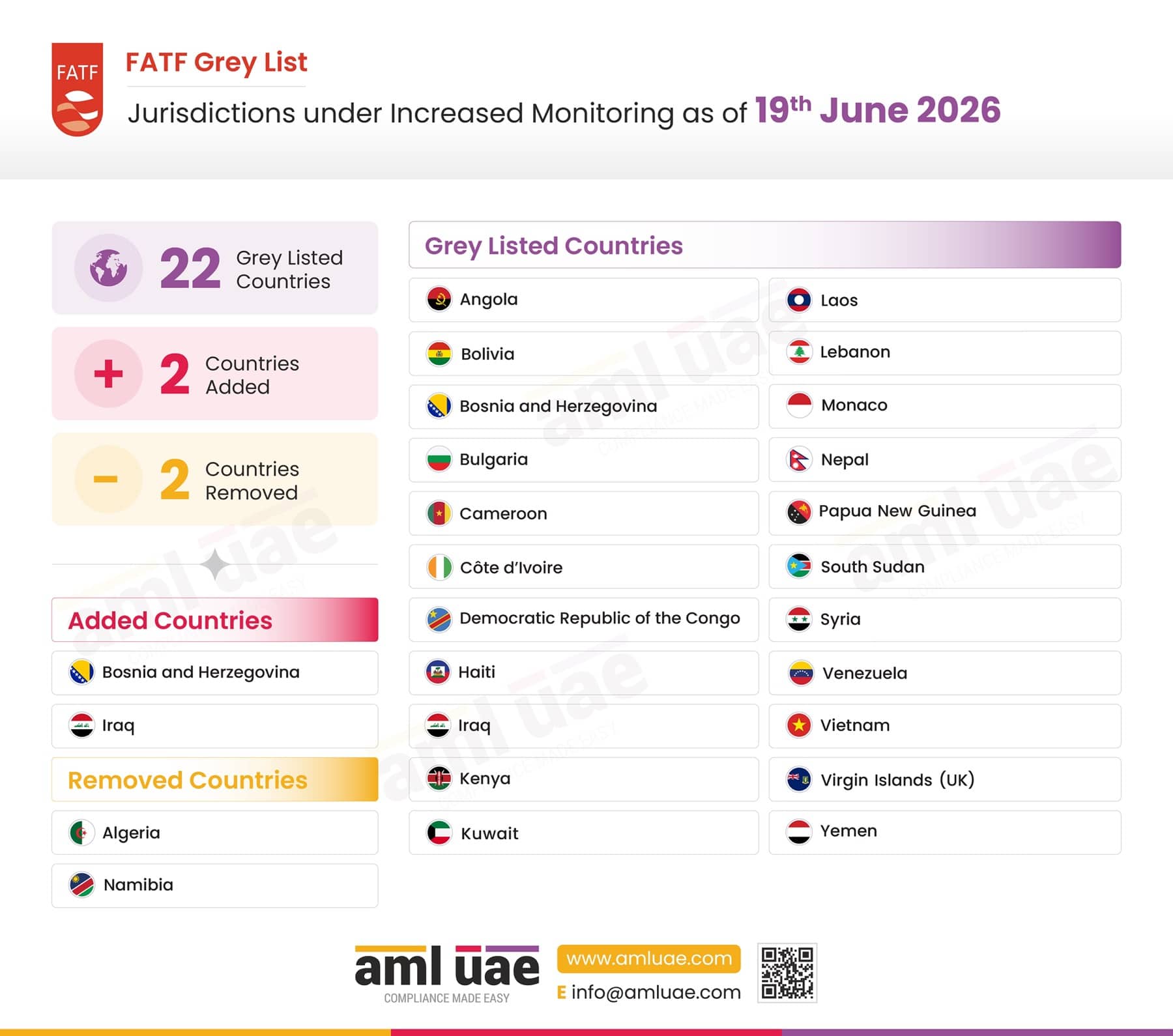
Reach Out to Pathik